- September 29, 2026
- Posted by: Tresmark
- Category:
No Comments
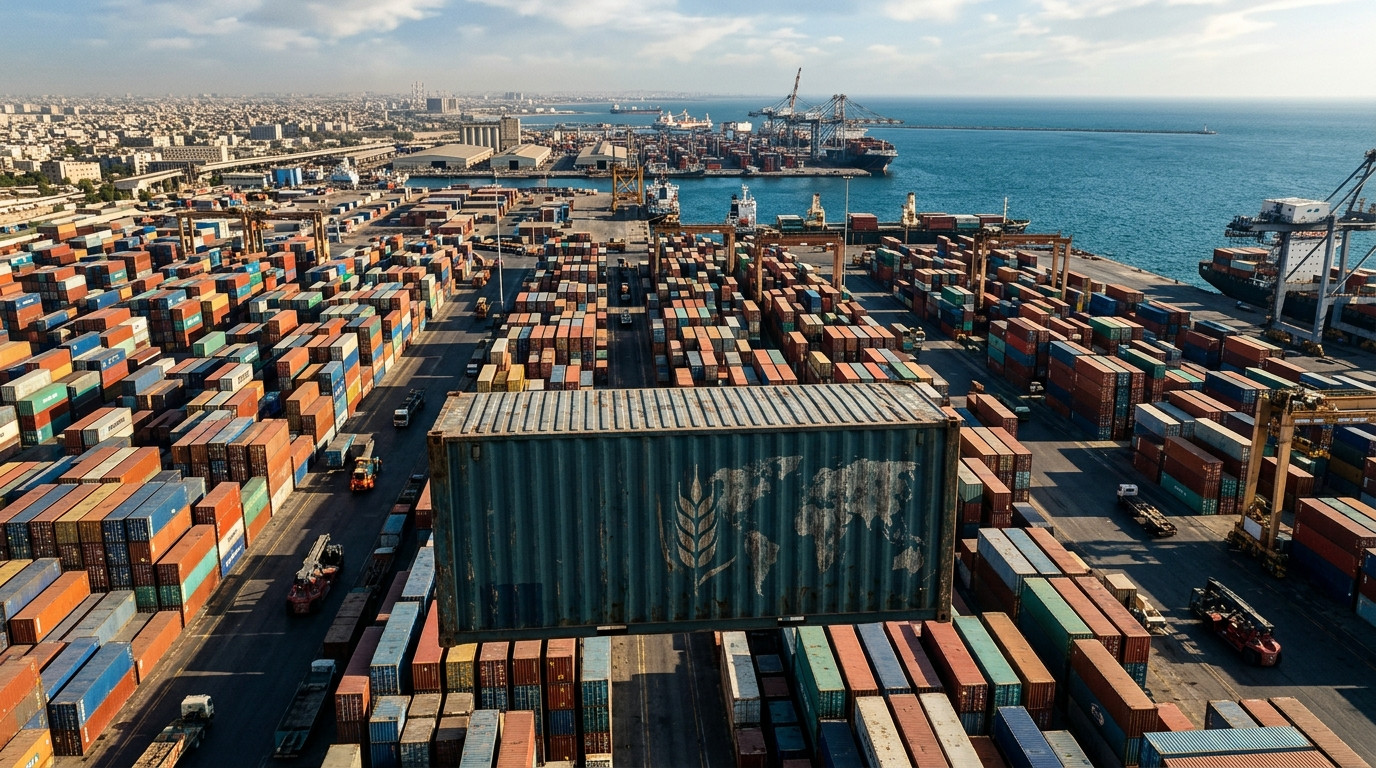
Pakistan’s growing reliance on food imports is increasing its exposure to global price and supply disruptions, as climate change, geopolitical tensions and trade challenges threaten food availability and affordability.
The Food and Agriculture Organisation (FAO) has warned that progress on global food security remains vulnerable to climate shocks, geopolitical conflicts, trade disruptions and elevated food prices. The FAO Food Price Index averaged 133.3 points in August 2026, up 1.9% from July and 2.5% from a year earlier, driven partly by supply concerns and disruptions to trade logistics.
Pakistan faces particular risks as it continues to spend significant foreign exchange on food imports despite agriculture remaining a major part of the economy.
According to the Pakistan Bureau of Statistics, the country’s food import bill increased 11.66% to $9.15 billion in FY2026. Meanwhile, food exports fell 29.49% to $5.02 billion, leaving a food trade deficit of around $4.17 billion.
The rising import dependence has renewed calls for greater investment in agricultural productivity, supply chains and value-added processing. Industry representatives have also urged Pakistan to diversify production towards commodities such as oilseeds and pulses, where the country remains heavily dependent on imports.
Despite improvements in several major crops, import requirements remain significant. Agriculture grew 2.89% in FY2026, while wheat production rose 4.3% to 29.6 million tonnes, rice output increased 2.8% to nearly 10 million tonnes and sugarcane production climbed 6.2% to 89.45 million tonnes.
Climate-related risks further complicate the outlook. Floods, droughts and heatwaves can disrupt agricultural production, transport and food supply chains, potentially increasing pressure on both domestic prices and foreign exchange reserves.
Experts and industry stakeholders have called for stronger agricultural research, improved seeds, efficient water use, better storage and cold-chain infrastructure, and greater investment in food processing and marketing.
The focus, therefore, is increasingly shifting from simply expanding agricultural production to improving yields, reducing post-harvest losses and developing higher-value products that can strengthen domestic food security while supporting exports.