- August 25, 2026
- Posted by: Tresmark
- Category:
No Comments
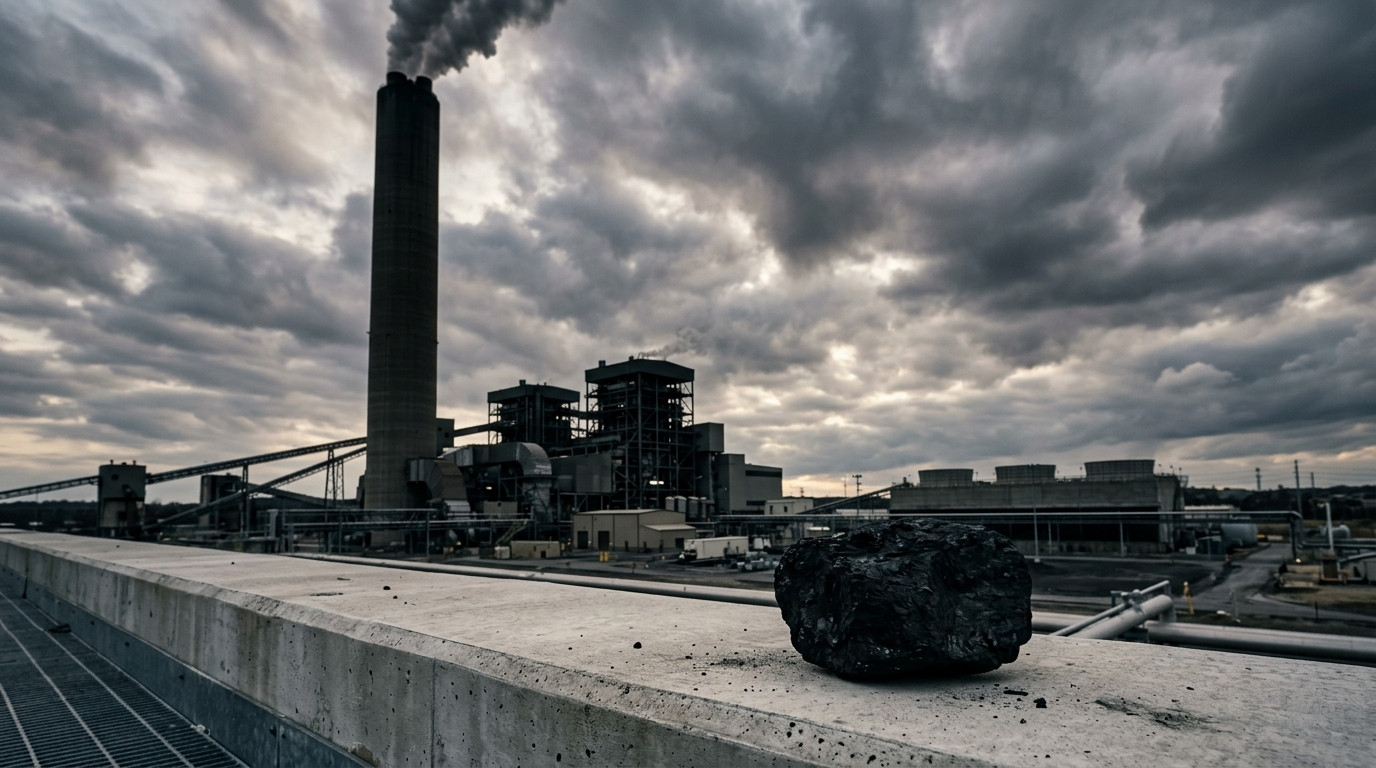
The Power Division has identified significant gaps in the procurement of imported coal by power plants, estimating that better procurement practices could save Pakistan’s national exchequer around Rs380 million annually.
The issue was identified during high-level meetings chaired by Federal Minister for Power Sardar Awais Ahmed Khan Leghari, where officials reviewed power plants’ actual procurement data, contracts and prevailing market practices.
Pakistan has around 5,280MW of coal-fired generation capacity that relies fully or partly on imported coal. Major plants include the 1,320MW Port Qasim, Hub Power and Sahiwal facilities, along with Lucky and Jamshoro power plants.
Imported coal prices are generally linked to international benchmarks such as the API-4 index, while the final purchase price also depends on the discount negotiated with suppliers.
According to the Power Division’s review, different power plants were purchasing coal from the same suppliers at the same benchmark prices but receiving significantly different discounts, ranging from just $0.25 to $7.12 per metric ton.
The review also found cases where the same supplier offered different discounts to different plants, while some backup supply arrangements carried lower discounts than primary contracts. In other instances, plants purchased coal from suppliers offering lower discounts despite having access to contracted suppliers offering better rates.
The Power Division said such procurement gaps ultimately increase electricity costs because fuel expenses are passed on to consumers through power tariffs.
As part of the corrective measures, the government is introducing a “best available discount” principle for imported coal procurement. Under the proposed framework, power plants would be required to purchase coal from contracted suppliers offering the highest discount against the applicable international benchmark and would not be allowed to opt for a lower-discount supplier.
The policy guidelines will be issued to NEPRA to improve transparency, consistency and competition in coal procurement.
The Power Division estimates that implementing the reform could generate annual savings of approximately Rs380 million without requiring additional investment, simply by ensuring that plants utilise the most favourable available supplier discounts.
Energy Minister Awais Ahmed Khan Leghari said the measure is not intended to interfere with commercial operations, but to ensure that fuel procurement remains efficient and transparent where its costs are ultimately borne by electricity consumers.