- October 2, 2026
- Posted by: Tresmark
- Category:
No Comments
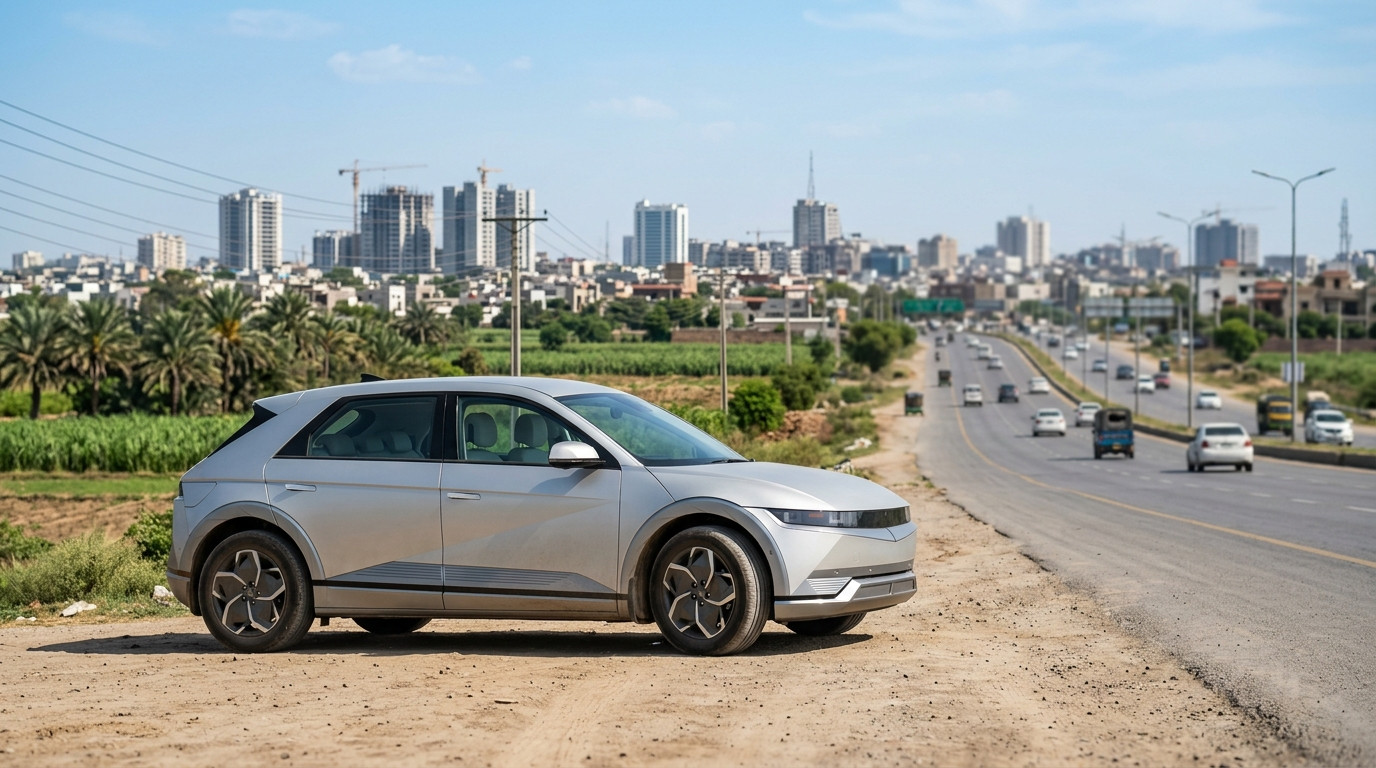
Pakistan could save more than $1 billion in gross fuel imports by adding 30,000 range-extended electric vehicles (REEVs) annually over five years, according to industry analysts.
Under the scenario, the REEV fleet would reach around 150,000 vehicles, potentially replacing approximately 1.2 billion litres of petrol and avoiding nearly 2.7 million tonnes of operational carbon emissions compared with similar petrol-powered vehicles.
Analysts say the transition could help reduce Pakistan’s exposure to international oil price volatility, with petroleum imports accounting for a significant share of the country’s overall import bill.
Unlike conventional hybrids, REEVs are powered exclusively by an electric motor, while a fuel-powered onboard generator produces electricity to recharge or support the battery when required. This allows vehicles to operate primarily on electric power while providing additional range for longer journeys.
Modern REEV models can reportedly travel around 150–180 kilometres on battery power under suitable conditions, making home charging sufficient for many daily trips.
Industry officials also highlighted the potential for lower running costs, particularly for users who combine vehicle charging with rooftop solar systems.
Analysts have called for a stable long-term auto policy, affordable financing and expanded charging infrastructure to support REEV adoption. They also suggested linking incentives progressively to localisation, production volumes and consumer protection.
A faster rollout, including around 60,000 REEVs annually, could broadly increase the projected fuel-saving and environmental benefits under similar assumptions.