- July 27, 2026
- Posted by: Tresmark
- Category:
No Comments
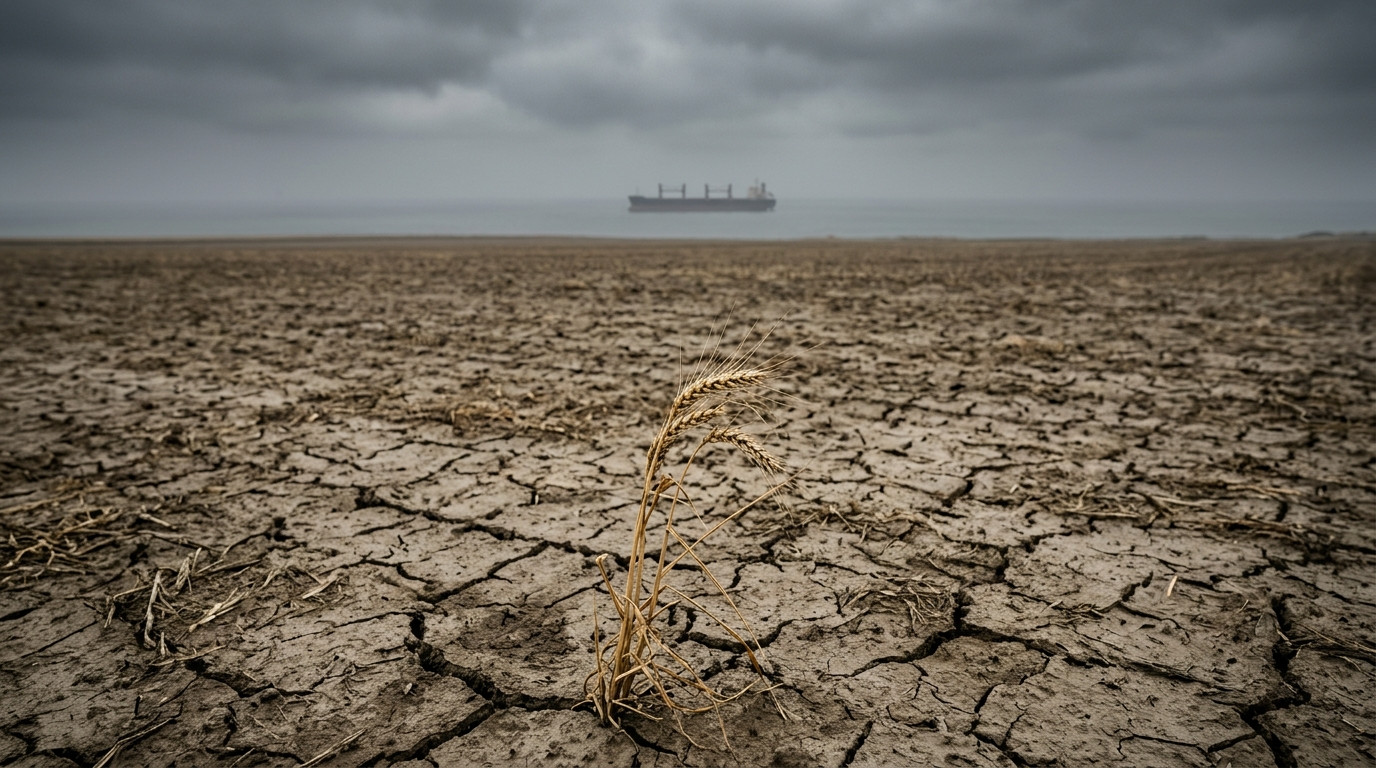
Pakistan's agricultural export sector came under pressure in FY26 as food exports fell 29.5% to $5.02 billion, while food imports rose 12% to $9.15 billion, widening the country's food trade deficit despite its agrarian economy.
According to trade data, exports of key agricultural products—including rice, fruits, vegetables, maize and sesame—declined during the fiscal year. While export volumes of tobacco and spices increased, lower international prices reduced earnings. In contrast, meat and fish exports recorded positive growth.
Analysts attribute the weak performance to structural and policy shortcomings, noting that Pakistan's agriculture remains largely surplus-driven rather than export-oriented. Unlike major agricultural exporters, the country has yet to develop integrated production clusters that ensure consistent quality, food safety, traceability and value addition for international markets.
The report noted that previous export gains were largely driven by temporary external factors, such as India's rice export restrictions and supply disruptions in Sudan and Ethiopia, rather than sustained competitiveness.
Rising production costs have further weakened Pakistan's position in global markets. Higher prices for diesel, electricity, fertilisers and pesticides, combined with climate-related challenges and declining crop yields, have pushed up domestic prices and reduced exporters' competitiveness.
Despite a Rs20 billion government subsidy scheme for rice exporters, rice export earnings fell from $3.35 billion in FY25 to $2.29 billion in FY26.
The report also highlighted high transportation costs, increased commodity hoarding by private stockists, and limited export market diversification as additional constraints. It warned that dependence on a small number of export destinations has left Pakistan vulnerable to geopolitical disruptions, citing the impact of the Afghanistan border closure and the recent potato surplus.
The authors urged Pakistan to adopt a new export-led agricultural strategy focused on crop-specific production clusters, higher productivity, greater value addition, and broader export market diversification to improve long-term competitiveness.