- October 1, 2026
- Posted by: Tresmark
- Category:
No Comments

Pakistan has told the International Monetary Fund (IMF) that the economic impact of the Middle East conflict is expected to ease, with inflation projected at around 7.5% and the external sector remaining broadly stable, according to government officials.
The government expects the exchange rate to remain stable and does not currently anticipate a devaluation. It has also projected exports at $34 billion and remittances at $45.5 billion for FY2027, while the current account deficit is estimated at $2.5–3 billion, below the budget target of $3.6 billion.
The authorities said inflation could remain elevated through December before moderating gradually in the second half of the fiscal year. If Brent crude averages around $80 per barrel, inflation is projected at 7.5%; however, an oil price of around $100 per barrel through December could push the annual rate to 8.2%.
Pakistan’s central bank has maintained that its current policy rate of 11.5% is sufficiently tight to contain inflation. However, sources said the IMF has urged authorities to maintain a market-based exchange rate and consider tighter monetary policy if required to control price pressures.
The government said exchange-rate stability, stronger agricultural output, administrative measures and a favourable base effect could help moderate inflation.
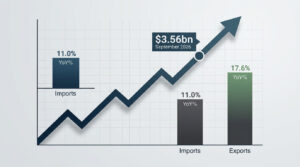
On the external front, goods imports are projected at $69–70 billion, broadly in line with the annual target. Meanwhile, remittances rose 14.7% during the first two months of FY2027 and are expected to reach $45.5 billion for the full year.
The government also expects economic growth to reach its 4% target, although it acknowledged that higher oil prices, supply disruptions and renewed global inflationary pressures remain downside risks.