
- August 17, 2026
- Posted by: Tresmark
- Category:

Pakistan’s largest oil refiner, Cnergyico, is increasing purchases of US crude as the disruption along Gulf shipping routes has highlighted the country’s heavy reliance on Middle Eastern energy supplies.
The move also aligns with Islamabad’s efforts to boost imports from the United States, reduce the bilateral trade imbalance and support negotiations for lower US tariffs on Pakistani goods.
Cnergyico, which began importing US crude last year, has brought in around 8.1 million barrels over the past nine months. Of this, approximately 7.1 million barrels, valued at nearly $750 million, were imported during fiscal year 2025-26, according to Vice Chairman Usama Qureshi.
Qureshi said the refiner is also evaluating spot purchases alongside longer-term supply agreements with Vitol and other suppliers, depending on pricing, reliability and supply security.
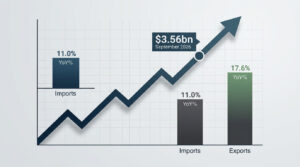
Pakistan’s payments for US imports increased by $914 million to $3.27 billion during FY26, with Cnergyico’s US crude purchases accounting for roughly 80% of the increase, based on central bank data.
The refiner could further raise its US crude purchases if it gains access to a proposed EXIM Bank trade-financing facility. Islamabad has proposed the facility to allow Pakistani importers to defer payments to US exporters for up to three years.
Pakistan traditionally sources most of its oil from Saudi Arabia and the United Arab Emirates, while around 90% of its oil and LNG imports pass through the Strait of Hormuz. Recent disruptions have prompted the country to explore alternative supply routes, including Saudi crude shipments through Yanbu on the Red Sea.
Cnergyico is also assessing the development of a second offshore Single Point Mooring (SPM) connected to its storage infrastructure. The facility would allow larger tankers to handle crude and refined products outside Karachi’s congested ports.
The proposed infrastructure forms part of Cnergyico’s $1.2 billion refinery upgrade, which aims to bring production in line with Euro V standards, reduce furnace-oil output and increase refining capacity to around 200,000 barrels per day.
According to KTrade Securities Head of Research Fawad Basir, recent disruptions in Middle Eastern supply routes have underscored the risks associated with dependence on a single energy corridor.
He noted that transporting US crude through Very Large Crude Carriers could reduce freight costs by around 25% to 30%, while an additional SPM could improve vessel turnaround times and strengthen Pakistan’s crude-import infrastructure.






Love how intuitive the layout is. Even for a beginner like me, it was easy to get started and find the best games. phssbet77 is definitely worth the visit.