
- April 23, 2026
- Posted by: Tresmark
- Categories:
Why Commodity Price Risk Is Hard to Manage
Costs are usually planned within a defined range, but commodity prices rarely follow that path.
Prices can shift between budgeting and execution. A material that appears stable may change before the next purchase. The difference is often small, but enough to impact margins.
This timing gap is what makes commodity price risk difficult to manage. Price movements do not align with internal processes, and by the time costs are reviewed, they may already reflect outdated market conditions.
How Price Changes Affect Business Costs
Commodity price changes move through costs gradually. The impact may not appear immediately, but it begins as soon as new orders are planned.
The challenge lies in timing. Costs are estimated based on current data, but commodity price fluctuations can occur before purchase decisions are finalized. This creates uncertainty, not due to lack of data, but because the data is no longer current.
Where Commodity Data Becomes Essential
At some point, occasional price checks are no longer enough.
Decisions begin to depend on commodity market data trends, not just current prices. A single data point cannot indicate whether a movement is temporary or part of a broader shift.
Reliable commodity data provides context, helping businesses understand price behavior over time and make more informed decisions.
Tracking Price Movement Over Time
A single price shows only a moment in the market.
What matters is the pattern around it. Prices move, stabilize, and shift again. Some changes are minor, others signal broader trends.
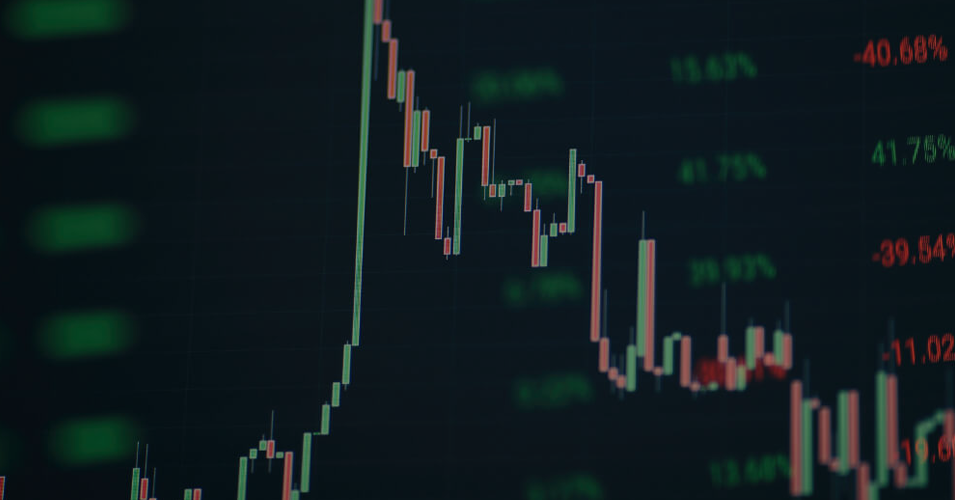
Commodity price tracking helps interpret these movements, making it easier to identify trends rather than reacting to isolated updates.
Reducing Risk Through Better Visibility
Exposure often builds gradually and becomes visible only after costs are reviewed.
With better visibility through real-time commodity data, businesses can identify pressure earlier. This allows risk management decisions to shift from reactive to proactive.
Supporting Procurement and Planning
Procurement decisions are not made instantly. Prices are reviewed multiple times before orders are finalized.
During this period, markets can shift. A price that seemed reasonable earlier may no longer apply. This affects procurement planning and cost forecasting.
Access to real-time commodity intelligence dashboards ensures decisions reflect current market conditions rather than outdated assumptions..
Why Reliable Commodity Data Matters
Challenges often arise when comparing prices from different sources.
One source may reflect recent updates, while another shows older data. This creates confusion and delays decision-making.
Consistent and reliable commodity market data reduces this friction. It ensures:
- Standardized pricing
- Timely updates
- Easier comparison across sources
This allows teams to focus on decisions rather than data validation.
Final Perspective: Managing Risk with Data
Commodity risk cannot be eliminated. Prices will continue to move.
What changes is how businesses respond. With structured commodity data and price tracking, decisions rely less on outdated estimates and more on current market conditions.
Risk management becomes more about awareness than reaction.





https://shorturl.fm/btEMg