
- June 11, 2026
- Posted by: Tresmark
- Categories:
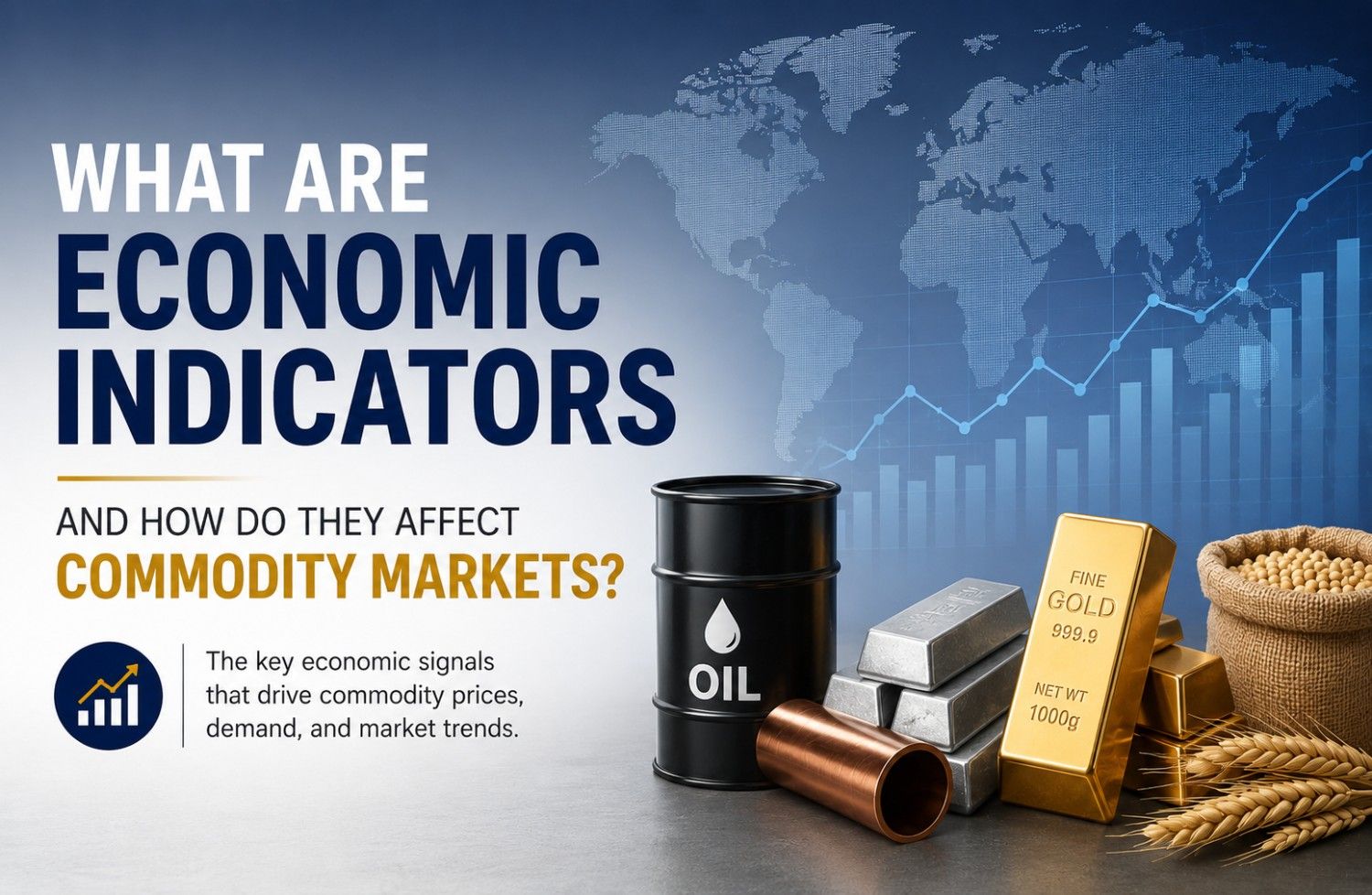
Why Economic Indicators Matter More Than Most Finance Teams Track
Commodity prices do not move in isolation from the broader economy. A copper price rising over three consecutive sessions without an obvious supply disruption or demand shock is usually responding to something: a GDP revision suggesting stronger industrial activity than the market expected, a PMI print signaling manufacturing expansion in a major consuming region, an inflation reading that changed expectations about interest rate direction. The commodity price arrives as the visible result. The economic indicator moved first.
Most finance teams see the result.
For procurement managers building purchasing strategies and commodity analysts producing price forecasts, the economic indicator landscape is not background economic context. It is the intelligence layer that sits between current market conditions and where commodity prices are likely to go next. A team that monitors commodity prices without monitoring the economic signals that drive them is working with half the picture, and usually the half that arrives after the relevant move has already happened. The broader indicator landscape, GDP data, inflation readings, PMI prints, trade figures, carries a different set of signals from rate decisions, each with its own transmission mechanism and its own practical relevance for teams managing commodity exposure. How rate decisions specifically transmit into commodity prices is covered in the relationship between interest rates and commodities.
How GDP and Growth Data Signal Commodity Demand
Gross domestic product measures economic output, but its most relevant signal for commodity markets is what it implies about industrial activity and demand for physical inputs. When GDP growth accelerates, manufacturing output tends to follow, meaning increased demand for the metals, energy, and materials that manufacturing requires. When growth decelerates or contracts, the demand signal runs in the opposite direction. GDP trajectory does not mechanically determine commodity prices; other factors can override it in the short term, but over a planning horizon of months rather than days it is one of the more reliable indicators of where industrial commodity demand is heading.
Category-specific sensitivity matters more than the headline figure for procurement and treasury teams with concentrated exposure. Industrial metals, copper, aluminum, steel, sit among the most GDP-sensitive commodity categories because they are consumed directly in construction, manufacturing, and infrastructure activity. Energy demand carries its own growth sensitivity but responds more to the pace of economic activity than to its level, meaning a growth slowdown can compress energy demand even when the economy is still expanding. Agricultural commodities respond to population and income growth over longer horizons but are less directly sensitive to the quarterly GDP cycle that drives industrial commodity demand. The World Bank’s April 2025 Commodity Markets Outlook confirms that a sharper-than-expected slowdown in global growth could further depress commodity demand, especially for industrial products, while improved trade conditions could lead to stronger commodity demand and higher prices.
For procurement and treasury teams, GDP data delivers a directional signal with regional variation rather than a price forecast. Chinese GDP growth matters more to industrial metal prices than European GDP growth because China accounts for a disproportionate share of global base metal consumption. US GDP growth carries more weight for energy commodities than for agricultural ones. Emerging market growth signals affect commodity demand in ways that developed market readings do not fully capture. A purchasing team monitoring only domestic economic conditions while sourcing from globally priced commodity markets is missing the regional demand signals that often move prices before the headline global growth story becomes apparent.
What CPI, PPI, and Inflation Data Mean for Commodity Prices
Inflation data and commodity prices influence each other in both directions, which is what makes this relationship operationally more complex than the GDP-commodity connection. Commodity prices feed into inflation readings, energy and food account for a significant share of consumer price indices, and broad commodity price movements show up in producer costs before they reach consumers. Inflation expectations also feed back into commodity market behavior, because expectations about future inflation affect interest rate expectations, which affect the dollar, which affects every dollar-denominated commodity price. A purchasing team watching commodity prices without watching inflation data is monitoring a consequence without monitoring one of its primary drivers.
The CPI versus PPI distinction matters more for procurement teams than for most finance functions. Commodities make up 36% of the CPI, with calculations anchoring mostly on energy and food prices rather than broader commodity indices. CPI measures what consumers pay, which is useful context but one step removed from the input cost picture procurement teams actually manage. PPI measures what producers receive for their output, sitting closer to the raw material and intermediate input costs that feed directly into supplier pricing. When a supplier justifies a price increase by citing input cost inflation, PPI data is the more relevant benchmark for evaluating that claim than the consumer inflation headline most news coverage emphasizes. A category manager tracking CPI but not PPI is following the wrong inflation indicator for the specific decisions they are making.
Inflation surprise effects carry particular relevance for commodity price timing. When a reading comes in significantly above or below market consensus, commodity prices often move within the session, not because the physical supply or demand picture changed but because the market revised its expectations about the policy response. A higher-than-expected inflation print typically strengthens expectations of rate tightening, pushing the dollar higher and creating downward pressure on dollar-denominated commodity prices. A weaker-than-expected reading can produce the opposite sequence. For purchasing teams making timing decisions, recognizing that inflation data releases can trigger short-term price moves independent of underlying supply and demand conditions is the difference between interpreting a price shift correctly and acting on a signal that will reverse when the initial market reaction settles.
Why PMI Data Moves Commodity Markets Before the Headlines Do
Most economic indicators describe what has already happened. GDP figures measure output from the previous quarter. Inflation readings reflect price changes from the previous month. Employment reports count jobs added or lost in the period just ended. All are useful context. None anticipates what is likely to happen next. Leading indicators occupy a different position in the economic data landscape, measuring current conditions and near-term intentions in ways that consistently anticipate where the broader economy is heading before lagging indicators confirm it.
The Purchasing Managers’ Index is the most practically relevant leading indicator for commodity price tracking. The Global Manufacturing PMI surveys purchasing managers from around 13,500 companies across 40 countries representing 95% of world manufacturing output, providing a thorough and reliable gauge of whether factories are expanding production and by how much. When PMI readings are above 50 and rising, manufacturing activity is expanding, which implies near-term demand growth for the industrial inputs manufacturing consumes. When readings fall below 50, contraction is underway and industrial commodity demand faces the same directional pressure. The PMI translates purchasing manager intentions into a commodity demand signal before those intentions appear in production data, order books, or GDP figures. Unlike GDP, which looks in the rearview mirror, the monthly PMI gazes forward at the road ahead. For a category manager trying to understand whether current industrial metal prices reflect improving or deteriorating conditions, a PMI reading provides a more timely signal than waiting for quarterly growth data to confirm what the purchasing community is already doing.
The surprise effect is where PMI carries its most acute practical relevance. When a PMI print comes in materially above or below consensus, commodity prices frequently move within the same session before any actual change in physical supply or demand has occurred. Markets reprice based on what the PMI implies about near-term demand trajectory rather than responding to a current supply or demand event. A copper price rising two percent on the day of a stronger-than-expected Chinese manufacturing PMI reflects a revised demand expectation, not a supply disruption or a sudden increase in physical orders. For a purchasing team that committed to a strategy the previous week based on prevailing price levels, that PMI-driven move has real cost consequences regardless of whether the team was tracking the indicator that drove it.
Beyond PMI, the leading indicator category includes freight rate indices, inventory data releases, and new orders sub-indices that each carry commodity-specific forward signals. Freight rates tend to move ahead of physical commodity demand shifts as shipping capacity adjusts to anticipated trade volumes. Inventory data signals whether supply buffers are building or depleting, which affects how tightly spot prices respond to demand changes. New orders components within PMI releases provide a more granular read on near-term demand intentions than the composite headline. Each operates at a different frequency and covers a different part of the supply and demand picture, meaning comprehensive leading indicator coverage requires connecting several data streams rather than following a single headline number. Rate decisions interact with these leading signals to compound commodity price movements in ways examined in the relationship between interest rates and commodities.
How Economic Indicator Monitoring Changes Procurement and Treasury Decisions
Economic indicator awareness and economic indicator intelligence are not the same thing. Awareness means knowing that PMI data affects industrial metal prices. Intelligence means having access to current PMI readings as part of an active purchasing strategy and being able to act on what they signal. The gap between the two is where commodity price surprises most reliably accumulate for procurement and treasury teams that track prices but not the signals that precede them.
Supplier negotiations reveal the gap most directly. When a supplier cites weak manufacturing PMI data to justify a pricing adjustment, a purchasing team with independent access to the same data can evaluate that claim directly. Is the PMI reading actually below 50? Has it been declining for multiple consecutive months, or is it a single soft reading in an otherwise expanding trend? Is the relevant PMI the global composite, the regional reading for the producing market, or the sector-specific sub-index most closely tied to the commodity? Without independent access, the team is evaluating a data-grounded claim with no data of its own. With it, the negotiation has a shared factual basis rather than a supplier-controlled one. Purchasing timing decisions and benchmarking context that complement this indicator intelligence are examined in improving procurement decisions using commodity insights.
Purchasing timing shifts when leading indicator monitoring is part of the process. A category manager watching PMI readings trend upward across major industrial economies has a market-grounded basis for assessing whether current price levels reflect conditions that are improving or deteriorating. A rising PMI trend in the industrial metals space does not guarantee prices will rise; supply factors can override demand signals, but it is a more reliable forward read than a supplier’s verbal commentary or a spot price chart showing only where prices have been. Combined with inflation data tracking producer cost trends and GDP trajectory confirming the growth direction, a purchasing commitment has an economic context that makes the decision more defensible than price levels alone provide. How indicator-grounded context improves commodity price forecast quality is examined in [how financial data platforms support better forecasting](LINK: How Financial Data Platforms Support Better Forecasting).
Budget planning gains a different quality of defensibility when commodity cost assumptions are grounded in economic indicator context. An annual budget embedding a copper cost assumption can document that it reflects current GDP growth trajectory, PMI trend direction, and inflation expectations for the relevant planning period. When conditions change mid-year and the assumption drifts from actual prices, the team can point to which indicator shifted and explain the cost implication. A budget variance becomes a documented market development rather than an unexplained miss, and that changes the quality of the conversation with finance when commodity cost overruns require explanation.
Specific operational applications of economic indicator monitoring for procurement and treasury teams:
- Supplier claim evaluation: when suppliers cite macroeconomic conditions to justify pricing adjustments, independent indicator access gives procurement a documented basis to evaluate the claim rather than accept or reject it on instinct
- Purchasing timing context: leading indicators such as PMI provide forward demand signals that complement spot price data, giving purchasing decisions a broader market context than current price levels alone provide
- Budget assumption documentation: commodity cost assumptions grounded in economic indicator context can be explained and defended when conditions change, transforming budget variances from unexplained misses into documented market developments
- Treasury exposure tracking: economic indicators that signal commodity price direction also signal the FX and interest rate movements that affect treasury exposure calculations, making indicator monitoring relevant to treasury risk tracking as well as procurement cost management
Economic Indicators as Part of the Market Intelligence Picture
Commodity prices reflect the full weight of economic conditions at any given moment: supply dynamics, demand signals, currency movements, policy expectations, and the market’s collective interpretation of where all of those are heading. Economic indicators are not separate from that picture. They are the upstream data that shapes it. A purchasing team or treasury function tracking commodity prices without tracking the economic signals that drive them is watching the surface of a market they are only partially understanding.
Indicator monitoring is not primarily a prediction exercise. Commodity markets are too complex and too responsive to non-economic events for any macro framework to function reliably as a forecasting tool. The value is in context: understanding why a price moved after it moved, recognizing the signal that preceded a move before committing to a purchasing decision, building cost assumptions that reflect the economic conditions behind them rather than standing as a best guess to be defended. A purchasing team that connects a copper price assumption to current PMI trend direction, GDP trajectory, and producer cost inflation is not forecasting with certainty. It is operating with market intelligence rather than market observation. The data infrastructure that supports this kind of multi-source economic and commodity coverage is examined in what to look for in a commodity data platform.
Connected economic indicator coverage delivers four things to procurement and treasury operations:
- GDP and growth signal monitoring: directional demand signals for industrial, energy, and agricultural commodity categories tracked against regional growth patterns rather than headline global figures alone
- Inflation indicator coverage: CPI and PPI data tracked simultaneously to distinguish consumer price trends from producer input cost movements, with particular relevance for evaluating supplier cost justification claims
- Leading indicator access: PMI readings, freight rate indices, and new orders data accessible in real time so that forward demand signals reach procurement and treasury teams before they appear in lagging production and GDP figures
- Surprise effect visibility: economic indicator releases monitored against consensus estimates so that market reactions driven by indicator surprises can be distinguished from reactions driven by fundamental supply and demand changes
Commodity price intelligence is not complete when it stops at the commodity price. The economic indicators that precede price movements, the inflation data that shapes cost expectations, and the leading signals that anticipate demand shifts are all part of the same market picture.
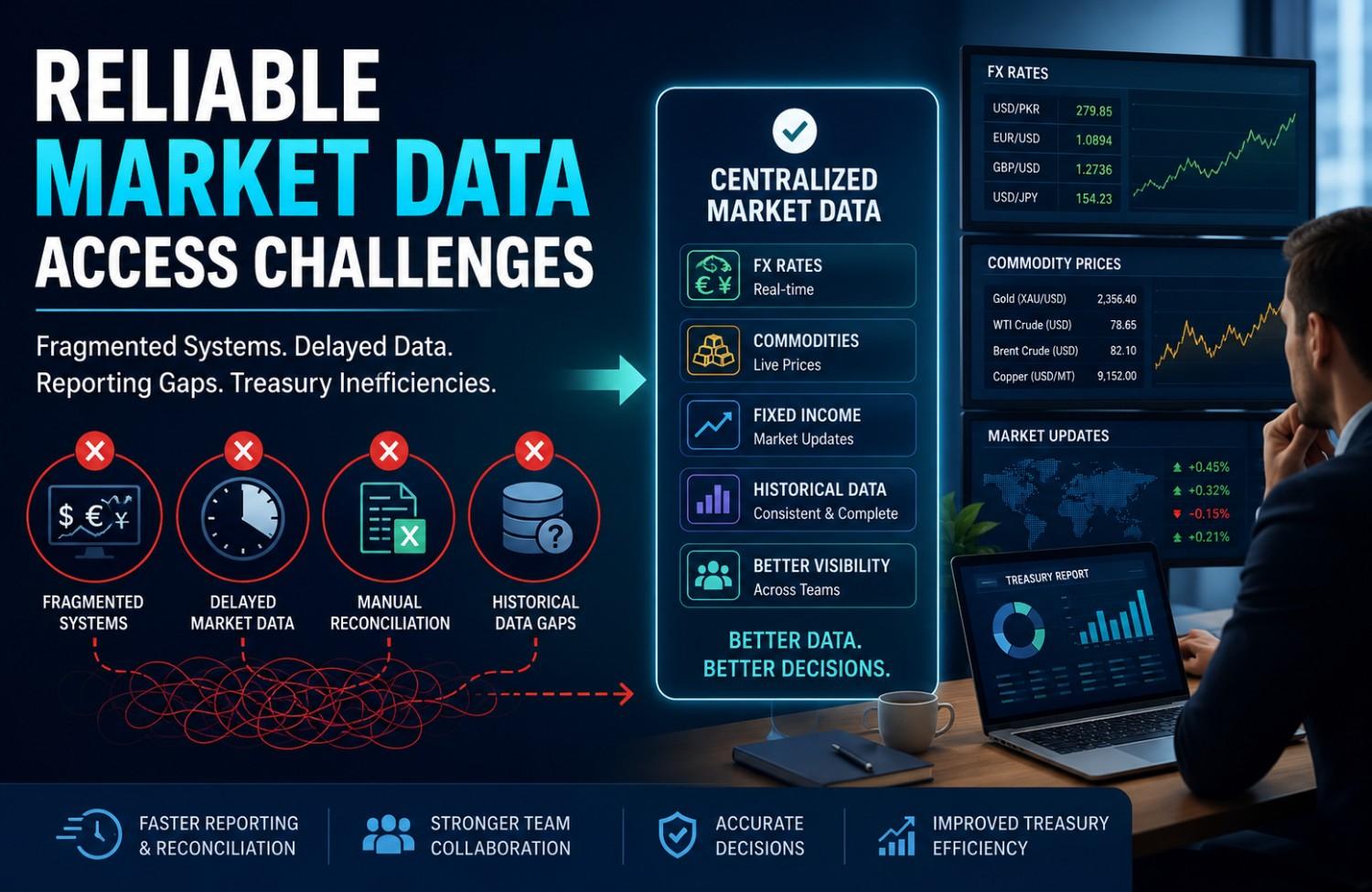
Tresmark’s commodity tracking and market data platform gives procurement, treasury, and finance teams real-time access to commodity prices, economic indicators, and macro market data across multiple exchanges and data sources, providing the connected intelligence environment that commodity-exposed operational decisions require.





露骨视频 可在可靠平台上流媒体播放以确保隐私。发现 有保障的视频来源
以获得高质量观看体验。
My web page: 最佳肛门色情网站