- July 31, 2026
- Posted by: Tresmark
- Category:
In today’s data-driven financial environment, organizations are no longer working with static datasets that update once a day or week. Treasury teams, financial institutions, and asset managers rely on continuous streams of real-time market data from live FX rates and bond yields to commodity prices and equity market movements.
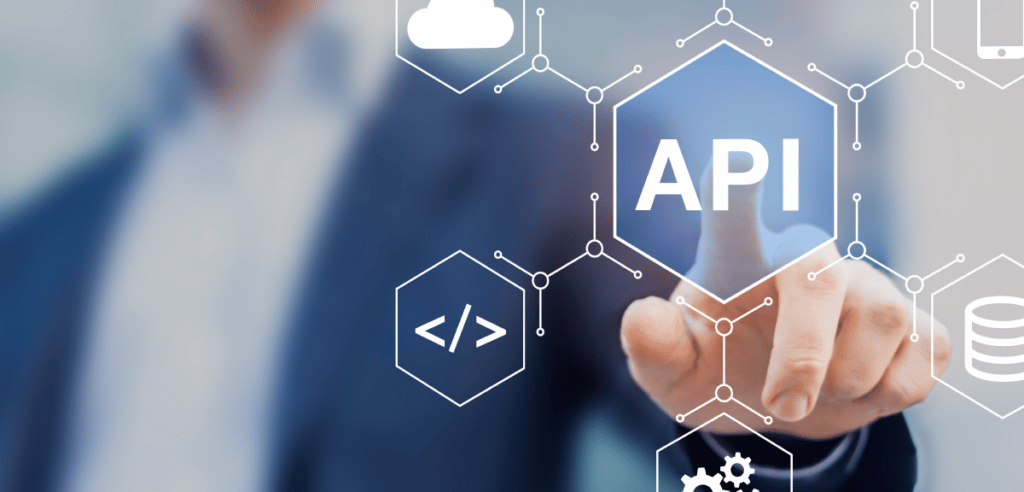
To manage, process, and utilize this constant influx of financial data effectively, modern platforms depend heavily on financial data APIs. APIs (Application Programming Interfaces) act as the connective tissue of real-time financial data platforms, enabling seamless communication between market data sources, treasury systems, and analytics tools.
Without APIs, real-time financial ecosystems would be fragmented, slow, and inefficient. This article explores how APIs in financial markets power modern treasury platforms, enhance data visibility, and support faster, smarter decision-making.
Understanding APIs in Real-Time Data Platforms
At their core, APIs allow different financial systems to communicate with each other in a structured and secure way. In real-time market data platforms, APIs enable instant data exchange between multiple sources and destinations.
Instead of manually exporting and importing data, APIs automate the process, ensuring that information is always up to date. For example, a treasury dashboard can use APIs to pull live FX rates, bond yields, and commodity prices, while risk management systems can instantly update exposures based on market movements.
This continuous flow of financial information is what defines real-time platforms and APIs are what make it possible.
Enabling Seamless Data Integration
One of the most critical roles of APIs is integrating financial data from multiple sources into a unified platform. Treasury and finance teams typically rely on various systems and external data providers, all generating valuable market insights.
APIs help bring this data together by:
• Connecting disparate financial systems and data providers without manual intervention
• Standardizing data exchange formats across FX, commodities, equities, and fixed-income markets
• Enabling real-time synchronization between treasury platforms and external market feeds
With effective treasury data integration, organizations gain a single source of truth, improving both operational efficiency and decision-making accuracy.
Supporting Real-Time Data Processing
Real-time financial platforms rely on instant data ingestion and processing, and APIs play a key role in enabling this capability. They allow systems to send and receive market data continuously rather than in batches.
This is especially important in scenarios such as:
• Monitoring fluctuations in FX rates for currency risk management
• Tracking changes in bond yields and yield curve movements
• Responding to volatility in equity markets
• Managing exposure to shifts in commodity prices
By enabling low-latency communication, market data APIs ensure that financial data is processed as soon as it is generated, allowing treasury teams to act immediately instead of reacting too late.
Enhancing Data Visibility and Accessibility
Data visibility is essential for treasury professionals, analysts, and decision-makers. APIs make financial data more accessible by allowing users and systems to retrieve real-time information on demand.
Through APIs, organizations can:
• Build real-time treasury dashboards with live market data
• Provide stakeholders with up-to-date insights on FX, bonds, and commodities
• Enable self-service financial analytics across treasury and finance teams
This level of accessibility ensures that the right people have the right data at the right time, improving responsiveness in fast-moving markets.
Strengthening Security and Governance
While APIs enable open communication between financial systems, they also play a critical role in maintaining security and governance. Well-designed APIs include authentication, authorization, and monitoring mechanisms to ensure safe data exchange.
Key security benefits include:
• Controlled access to sensitive financial and market data
• Secure authentication protocols (tokens, encrypted keys)
• Audit trails for tracking data usage and access
These features help organizations maintain regulatory compliance while still benefiting from real-time financial data access.
Driving Automation and Efficiency
APIs significantly reduce manual effort by automating financial data workflows across systems. Tasks that once required human intervention such as compiling market reports or updating risk models, can now happen automatically.
For example:
• Market data flows directly into valuation, forecasting, and risk management models
• Market alerts systems trigger notifications based on real-time price movements
• Treasury reports are generated automatically using live data feeds
This automation not only saves time but also reduces the risk of human error in critical financial processes.
Enabling Innovation and Ecosystem Growth
APIs open the door for innovation in financial ecosystems by allowing organizations to build advanced capabilities on top of existing platforms.
Treasury and financial teams can:
• Integrate with global financial market data providers
• Develop custom analytics and forecasting tools
• Leverage third-party innovations for enhanced market intelligence
As a result, APIs not only support current treasury operations but also drive future growth and transformation in financial markets.
Conclusion
APIs are the backbone of modern real-time market data platforms, enabling seamless integration, instant data processing, and improved visibility across treasury and financial systems. They empower organizations to move from reactive decision-making to proactive, data-driven strategies.
By leveraging financial data APIs effectively, businesses can enhance efficiency, strengthen security, and build scalable treasury systems that adapt to evolving market conditions. In a world where speed and accuracy are critical, APIs are not just a technical component, they are a strategic necessity for any organization aiming to fully harness real-time financial data.