- August 5, 2026
- Posted by: Tresmark
- Category:
No Comments
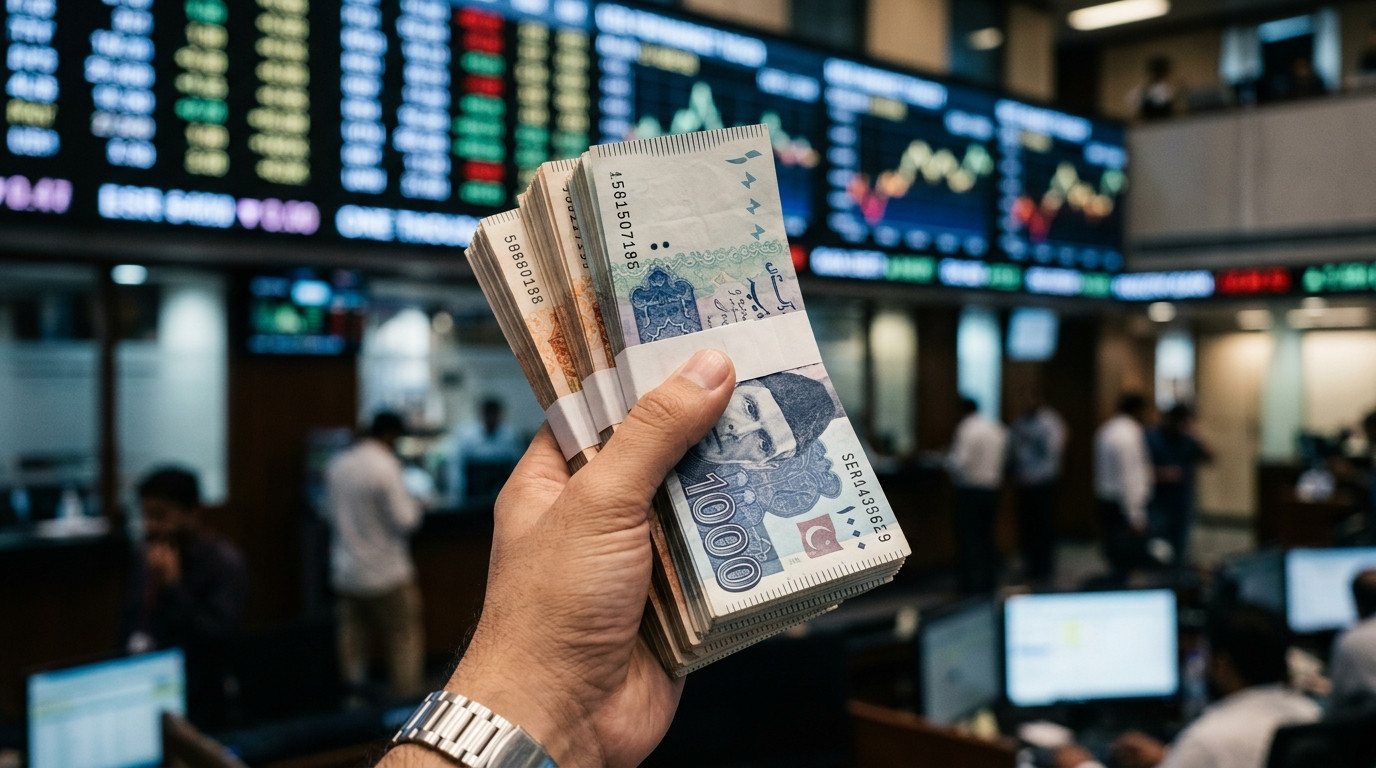
The government raised Rs789 billion from the auction of the fixed-rate Pakistan Investment Bonds (PIBs) on Tuesday, with yields rising almost across all tenors even after inflation slowed in July.
The bids were rejected for the two-year PIBs.The cut-off yield on the three-year paper was up 26 basis points (bps) at 11.745 per cent. The five-year PIB rose 17 bps to 11.8000 per cent. The 10-year bond was higher by 16 bps to 12.3000 per cent. The 15-year paper increased 20 bps to 12.4850 per cent.
Against a target of Rs400 billion, the bids came in at Rs1,521 billion, and the government accepted Rs789 billion, so it was willing to pay up for volume, said Saad Hanif, head of research at Ismail Iqbal Securities.
The 15-year alone took Rs400 billion against a target of just Rs50 billion, while the two-year was rejected outright despite Rs183 billion of bids. “In short, the government is locking in long-term borrowing now instead of rolling short paper,” Hanif said.
“Cut-offs also came 8 to 27bps above PKRV, with the biggest gap at the 10 and 15 years, so the curve has steepened,” he added.Pakistan’s inflation, measured by the consumer price index, slowed to 9.2 per cent in July from 11.07 per cent in the previous month.
Hanif stated that yields moved higher despite declining inflation, as the market is anticipating future developments rather than reflecting on past events. July’s inflation was helped by a low base and by fuel prices that have not yet been revised.
“From August the base turns unfavourable, domestic fuel prices are higher, and food, especially wheat, is pushing up again,” he said.“On this trend, inflation will likely return to double digits, somewhere near 10-11 per cent. That leaves almost no real return at a policy rate of 11.5 per cent, so banks are not willing to lend long below 12 per cent,” he said. “It also reduces the case for any further rate cut in the near term. Unless food and fuel pressure fades quickly, yields should stay biased upward over the next couple of months.”