- July 14, 2026
- Posted by: Tresmark
- Category:
No Comments
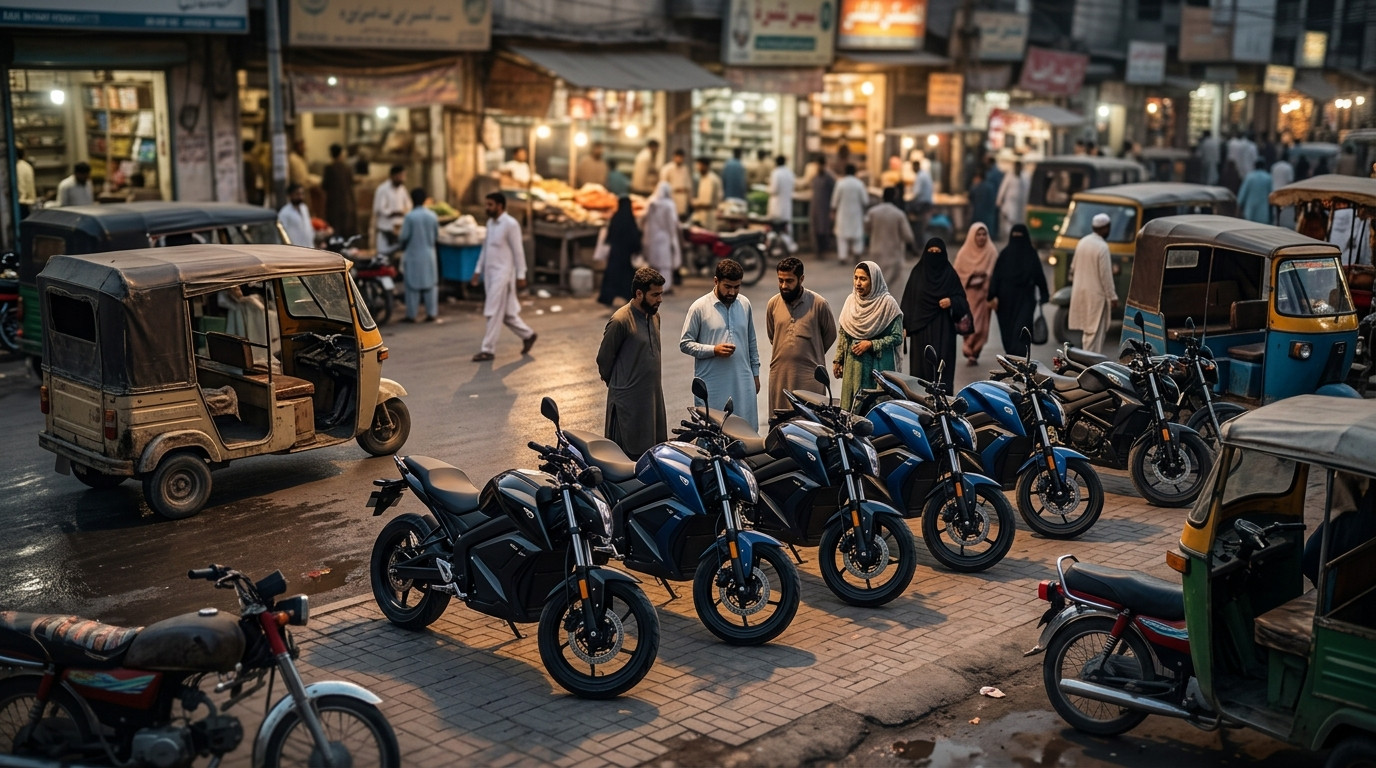
A sub committee of the National Assembly Standing Committee on Industries has highlighted major regulatory and infrastructure gaps hindering the adoption of electric motorcycles in Pakistan, despite the government's efforts to promote cleaner transportation.
During a meeting, lawmakers were informed that Pakistan does not have a dedicated regulatory authority for electric two wheelers, while the absence of a comprehensive lithium battery policy has contributed to the sale of low quality and unsafe batteries in the market.
Officials explained that responsibility for the e-bike sector is divided among multiple government bodies. The Engineering Development Board (EDB) issues manufacturing licences, the Pakistan Standards and Quality Control Authority (PSQCA) oversees product standards, the National Energy Efficiency and Conservation Authority (NEECA) is responsible for charging infrastructure, while provincial authorities regulate vehicles on the roads.
Committee members also raised concerns over the widespread import of lithium ion batteries and the growing grey market, where refurbished battery cells are reportedly being sold without proper regulation. Industry representatives said high import duties have encouraged illegal battery trading and noted that some manufacturers continue using cheaper lead acid batteries due to the absence of specific licensing requirements.
The committee stressed the need to strengthen battery safety standards, establish dedicated lithium battery testing laboratories, and promote localisation of e-bike components and manufacturing. The EDB informed lawmakers that a new battery policy is being finalised and is expected to address many of the sector's existing challenges.