- July 16, 2026
- Posted by: Tresmark
- Category:
No Comments
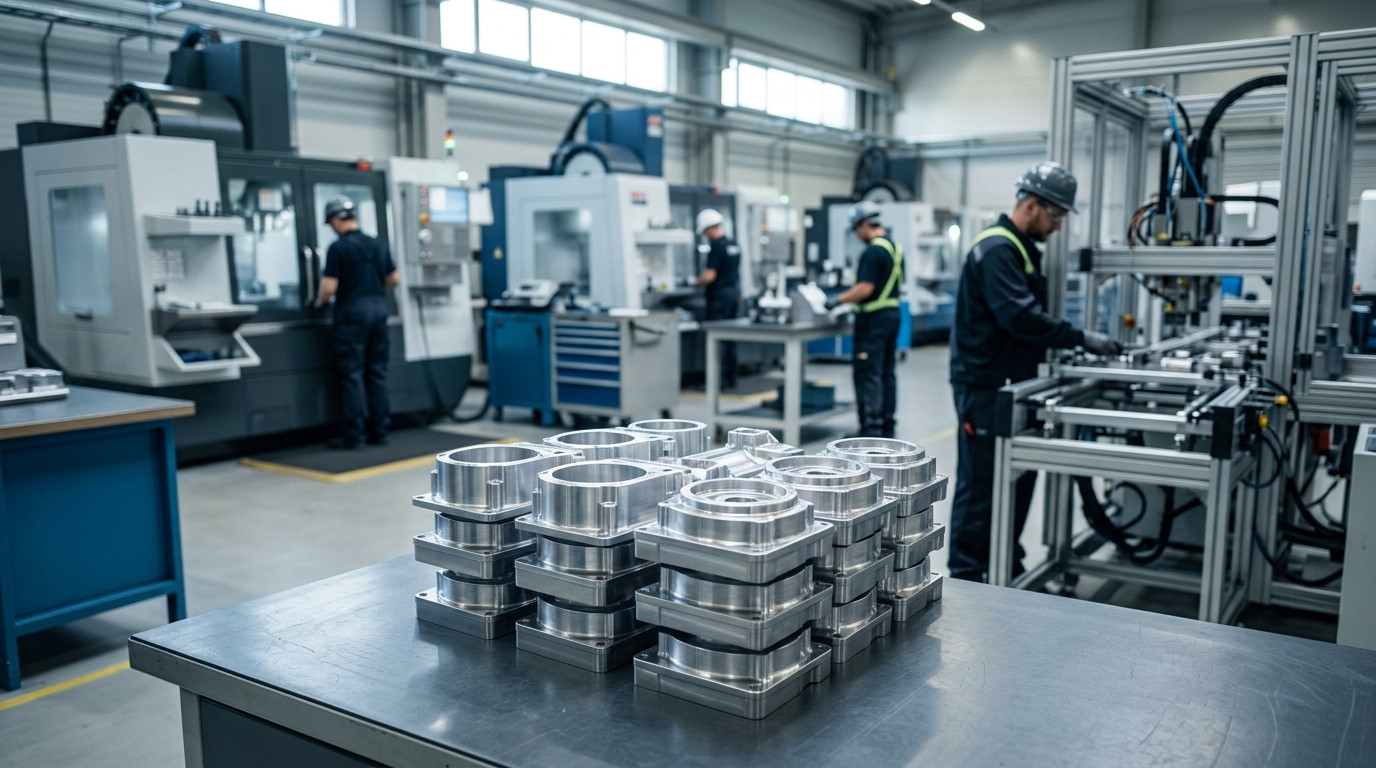
Pakistan's Large Scale Manufacturing (LSM) sector recorded 5.77% year-on-year growth during the first 11 months of FY2025-26, signalling a recovery in industrial activity despite a decline in output during May.
According to data released by the Pakistan Bureau of Statistics (PBS) on Wednesday, the Quantum Index of Manufacturing (QIM) rose to 121.65 during July–May FY26, compared with 115.02 in the same period last year.
Despite the strong cumulative performance, LSM output fell 0.98% year-on-year in May, although it increased 1.21% compared with April.
The overall growth was largely driven by the automobile, food, garments, and petroleum products sectors. Automobile manufacturing was the biggest contributor, adding 1.53 percentage points to total growth after production surged 58.82% during the period. Food products contributed 1.36 percentage points, followed by garments (1.20 points) and petroleum products (0.78 points).
Other sectors, including cement, electrical equipment, furniture, beverages, tobacco, and transport equipment, also supported industrial growth. However, production declined in several industries, with pharmaceuticals down 8.07%, chemicals 2.64%, iron and steel 7.49%, and fertilisers 2.25%.
The textile sector, which carries the highest weight in the manufacturing index, remained largely unchanged, slipping 0.09% during the period, reflecting continued weakness in demand.
Food production increased 7.75%, supported by higher output of sugar, bakery products, and chocolates, which jumped 31.54%. Meanwhile, cooking oil production declined 1.97%, vegetable ghee 4.90%, and blended tea 8.95%.
Within the textile sector, cotton yarn production rose 1.26%, while cotton cloth increased 0.17%, although lower export demand continued to weigh on overall performance. Garment exports, however, climbed 7.31% during the period.
Production of coke and petroleum products increased 10.56%, with petrol output rising 13.04%, high speed diesel 17.01%, and LPG 14.56%, while kerosene and furnace oil production declined.
The automobile sector remained the strongest performer, with output rising 58.82%, led by a 60.60% increase in cars and jeeps, 76.88% growth in trucks, and 23.66% growth in buses. However, production of light commercial vehicles fell 11.27% compared with the previous year.
Meanwhile, pharmaceutical production declined 8.07%, fertiliser output fell 2.25%, and iron and steel production dropped 7.49%. On the positive side, production of rubber products, non metallic minerals, and electrical equipment increased 14.20%, 6.31%, and 13.50%, respectively.