- September 4, 2026
- Posted by: Tresmark
- Category:
No Comments
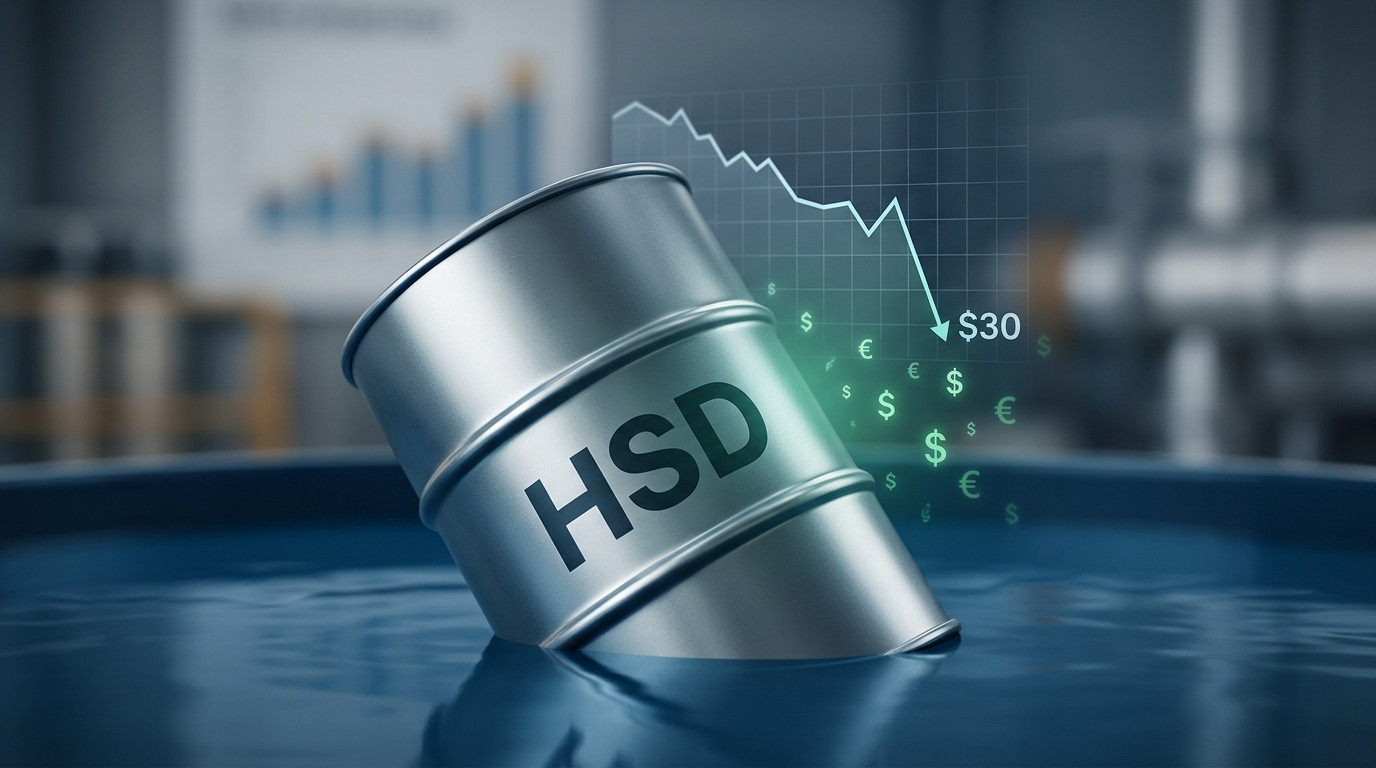
The federal government is considering reducing the maximum allowable refining margin on high-speed diesel (HSD) to $30 per barrel from the existing ceiling of $41.89, as part of efforts to limit the impact of exceptionally high international refining margins on domestic consumers.
Sources said the proposed reduction could be incorporated into the country’s revised petroleum pricing mechanism. The current HSD crack-spread ceiling of $41.89 per barrel was introduced last month and remains applicable.
The move follows a sharp rise in international diesel crack spreads amid geopolitical tensions and supply disruptions. The unusually high margins have prompted the government to reassess how international refining economics are reflected in domestic fuel prices.
According to sources, a $30-per-barrel HSD margin is considered reasonable for local refineries. However, refinery companies have expressed reservations, arguing that the current period of strong gross refining margins provides an important opportunity to generate the equity needed for their planned multi-billion-dollar modernisation projects.
Pakistan’s five operating refineries are undertaking major investment programmes under the Brownfield Refining Policy, focusing on deep-conversion facilities, cleaner fuels and higher production capacity. The sector is expected to require around $5 billion to $6 billion for these projects, which aim to increase petrol and diesel output while significantly reducing furnace-oil production.
Refinery officials said lowering the margin ceiling could squeeze earnings and undermine their ability to arrange the equity portion of these capital-intensive investments. Although banks and other financial institutions may provide debt financing, refinery sponsors are still required to contribute substantial equity toward their respective upgrade projects.
Industry representatives maintained that periods of exceptionally strong international product cracks should allow domestic refineries to strengthen their balance sheets and build financial capacity for future investments. They pointed out that refining margins in Pakistan have historically been volatile and can decline significantly once international crack spreads return to normal levels.
Pakistan’s gross refining margins averaged $28.8 per barrel in August 2026, compared with $36.7 per barrel in July and just $5.4 per barrel in August 2025. The month-on-month decline was partly linked to the government’s HSD crack-spread cap, which came into effect on August 20.
Sources said elevated margins could provide local refineries with additional funds for planned upgrades, but the government is seeking to balance the financial requirements of the refining industry with consumer interests.
The proposed intervention comes as higher international crude and petroleum-product prices are adding pressure to the domestic economy, increasing the government’s focus on limiting the extent to which global price shocks are passed on to consumers.