- September 14, 2026
- Posted by: Tresmark
- Category:
No Comments
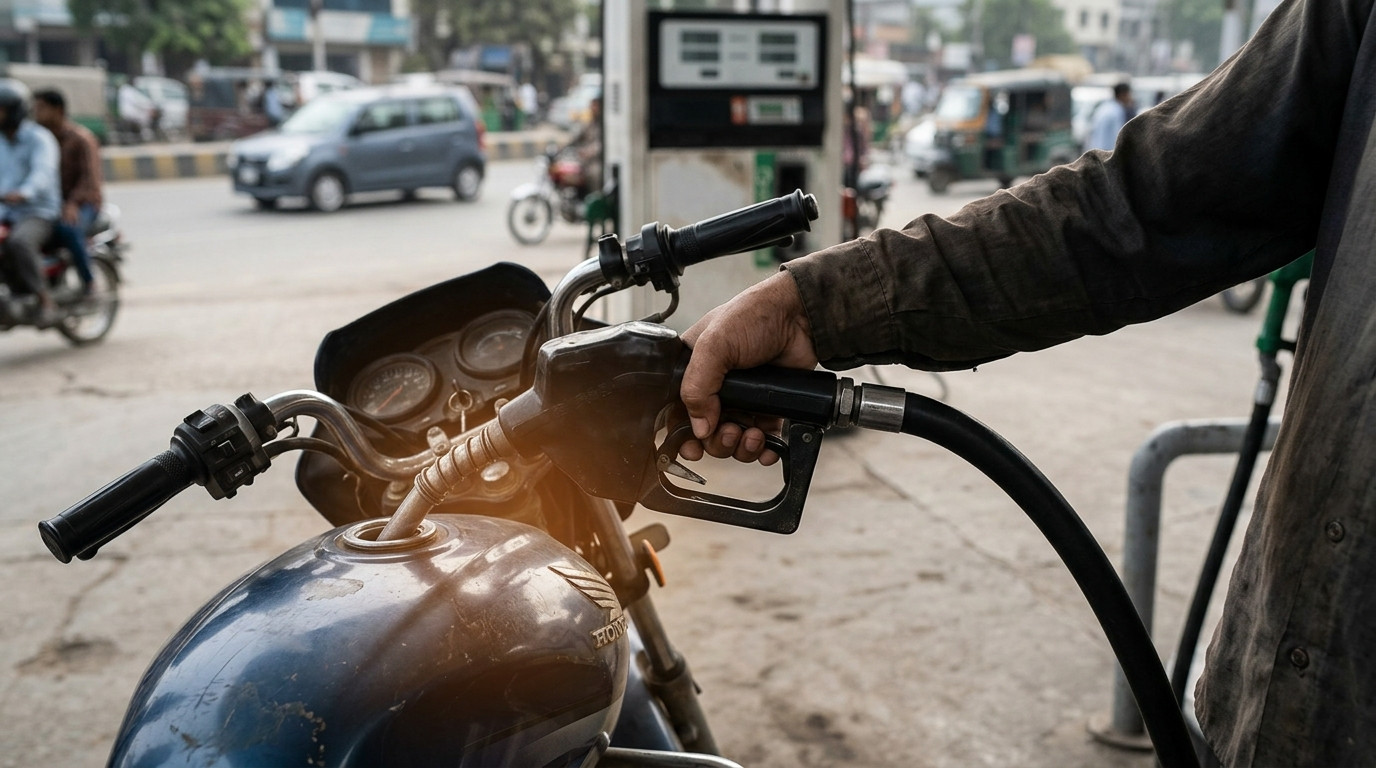
Prime Minister Shehbaz Sharif has announced a special fuel relief scheme for motorcycle, rickshaw, Qingqi and small-car users as global oil prices continue to rise amid escalating tensions in the Middle East.
Under the scheme, eligible users will receive a Rs100 per litre subsidy on a monthly fuel quota. Motorcycle and three-wheeler owners will be eligible for relief on up to 20 litres per month, while owners of vehicles with engines up to 800cc will receive the subsidy on 30 litres per month.
The scheme will become effective in Islamabad from midnight on September 15, while consumers across the rest of the country, including Azad Jammu and Kashmir and Gilgit-Baltistan, will receive the relief from midnight on September 17.
Registration for the programme has already started, with details of the registration process to be communicated through a public awareness campaign.
Petroleum Minister Ali Pervez Malik said the initiative was aimed at supporting the segment of society most affected by higher fuel costs. Under the mechanism, registered consumers will receive a token number and purchase fuel at subsidised rates from participating petrol stations.
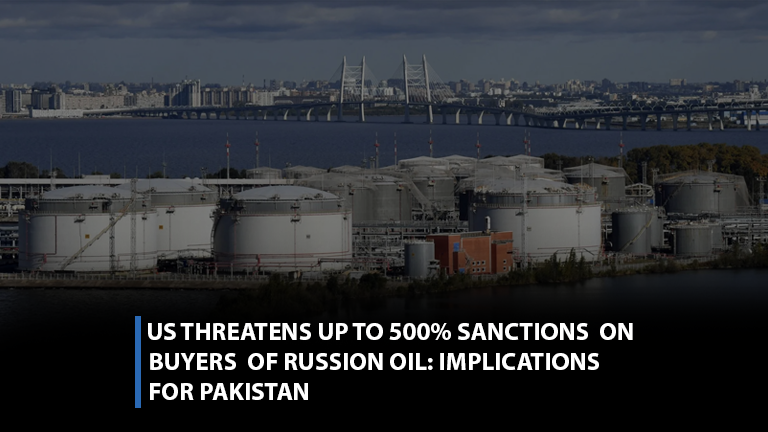
The relief comes as international oil prices have surged amid disruptions to regional energy supplies. Rising tensions involving Iran, the United States and Israel, along with threats to shipping through the Strait of Hormuz and Bab al-Mandab, have increased concerns over global crude supplies.
Following the latest increase, petrol is priced at Rs375.82 per litre, while high-speed diesel (HSD) stands at Rs403.32 per litre. The government currently collects Rs114 per litre in taxes and duties on petrol and Rs100 per litre on diesel.
Saudi Arabia’s recent shutdown of its East-West oil pipeline following an aerial attack has further intensified supply concerns, with traders warning that the disruption could affect up to 4% of global oil supply if it persists.
The government has also shifted to daily fuel price adjustments in response to volatility in international oil markets, replacing the earlier weekly revision mechanism.
The latest relief scheme is intended to cushion lower-income and small-vehicle users from the impact of rising fuel prices while global energy markets remain under pressure.