- October 1, 2026
- Posted by: Tresmark
- Category:
No Comments
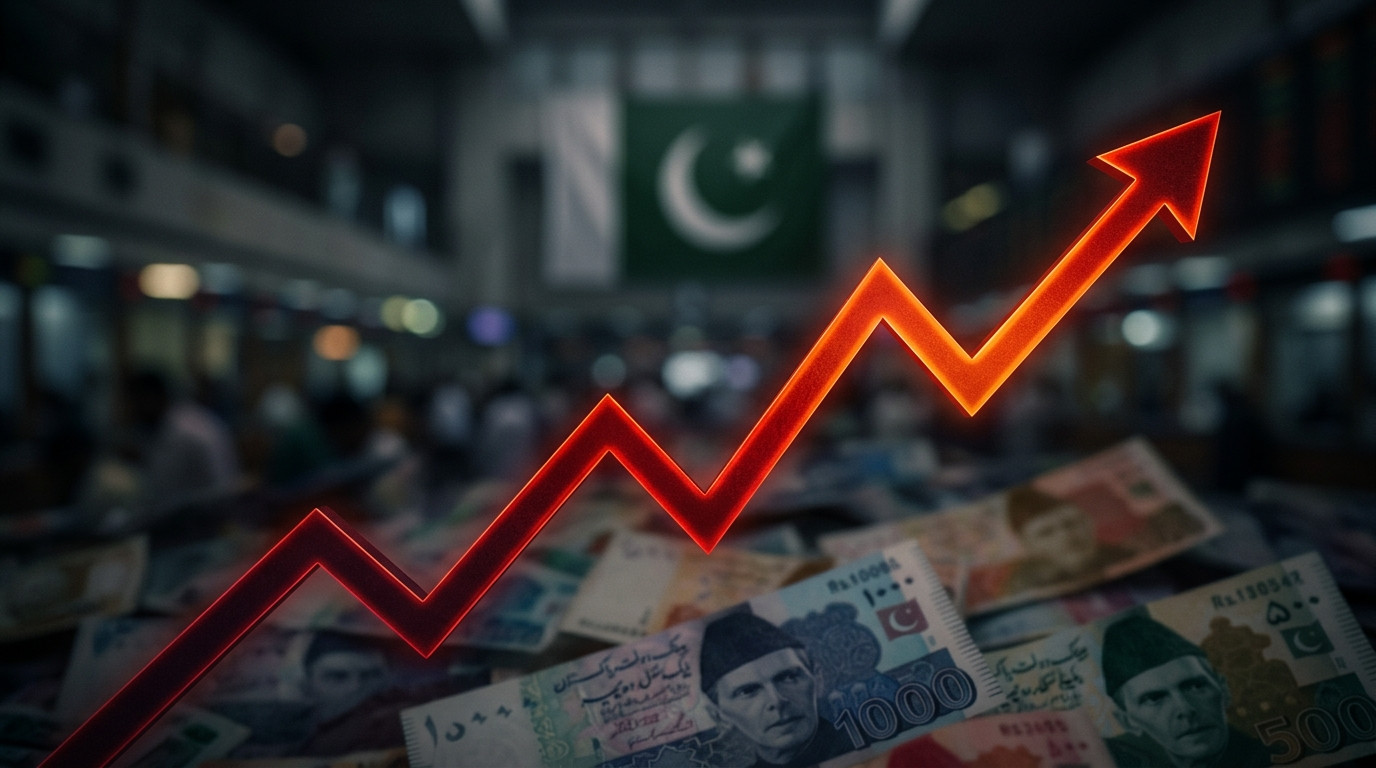
Pakistan’s headline inflation is expected to remain elevated, with CPI inflation projected at 10–11% in September 2026, according to the Finance Division’s latest Economic Update & Outlook.
The Finance Division said the inflation outlook remains closely linked to global oil prices, which continue to pose the main risk through their impact on purchasing power, production costs and the country’s import bill.
CPI inflation rose to 11.1% year-on-year in August from 9.2% in July, largely reflecting the impact of higher global oil prices on energy, transport and food costs.
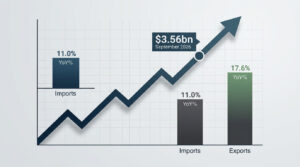
The report noted that the external position strengthened early in FY2027. Goods exports increased 4% to $5.44 billion, while imports rose 11.4% to $11.6 billion. However, higher remittances and services exports helped contain the current account deficit at $543 million.
Workers’ remittances climbed 14.7% to $7.29 billion, while services exports increased 28.8% to $1.81 billion. Foreign direct investment also rose 24% to $494.5 million during July-August FY2027.
Meanwhile, SBP foreign exchange reserves reached $21.39 billion as of September 18, following the country’s $3 billion Eurobond issuance, providing coverage of around three months of goods and services imports.
The Finance Division said stronger reserves and renewed access to international capital markets have improved Pakistan’s ability to manage higher oil import costs and upcoming external debt obligations.
On the fiscal side, the consolidated fiscal deficit reached Rs596.6 billion in July 2026, equivalent to 0.4% of GDP, while the primary balance remained in surplus at Rs196.3 billion.
The report identified elevated global oil prices as the key near-term risk to inflation and said maintaining fiscal discipline, targeted relief measures and continued energy and tax reforms would remain important for economic stability.