- July 10, 2026
- Posted by: Tresmark
- Category:
No Comments
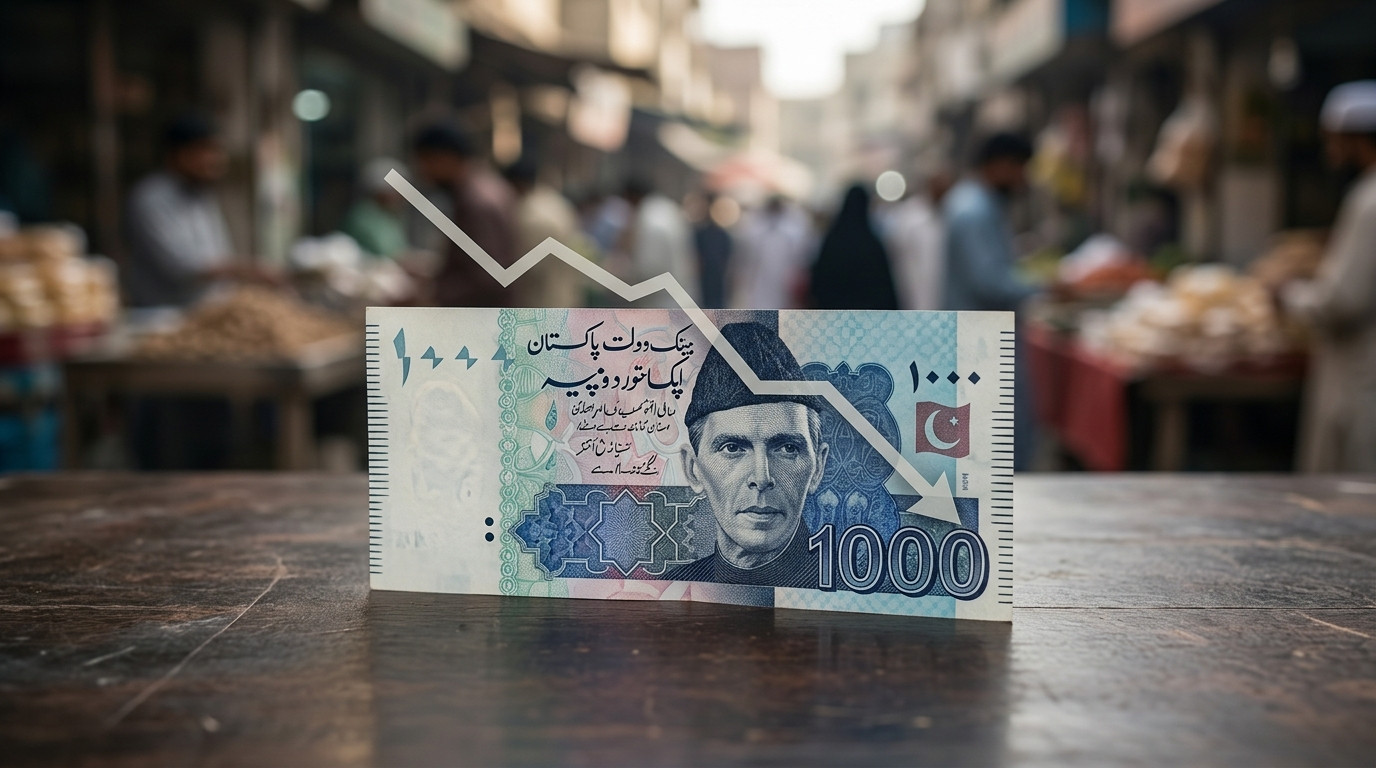
The Asian Development Bank (ADB) has lowered its economic growth forecast for Pakistan and raised its inflation projections, citing higher food and fuel costs stemming from regional conflicts and disruptions in global energy markets.
The ADB has cut Pakistan’s GDP growth projection for fiscal year 2027 to 3.7 per cent from its earlier estimate of 4.5 per cent.“Pakistan’s forecast for FY2027 is also revised down to 3.7 per cent, due to higher energy costs and pressure on remittances,” the ADB said in its Asian Development Outlook (ADO) released on Thursday.
The government has set a real GDP growth target of 4 per cent for FY2027.The ADB said preliminary data showed Pakistan’s economy expanded by 3.7 per cent in FY2026, which ended on June 30, 2026, supported by growth in industry and services, along with modest gains in agriculture.
The bank also revised upwards its inflation forecast for Pakistan, projecting consumer price index (CPI)-based inflation at 7.2 per cent in FY2026 due to rising food and fuel costs. For FY2027, inflation is now expected at 8.3 per cent, compared with the previous forecast of 6.5 per cent, amid continued spillover effects from the Middle East conflict.
The government has projected CPI-based inflation of 8.2 per cent for FY2027.The ADB also lowered its growth forecast for developing Asia and the Pacific to 4.9 per cent in 2026 from 5.5 per cent in 2025, a reduction of 0.2 percentage points from its April forecast. The bank attributed the downgrade to prolonged disruptions in energy markets caused by the Middle East conflict.
The growth forecast for 2027 was maintained at 5.1 per cent, reflecting expectations of a recovery as energy market pressures ease.The ADB said disruptions to global energy markets were expected to unwind gradually despite a framework agreement signed in June. It noted that the impact of the conflict had spread beyond energy markets to fertilisers, commodity prices and supply chains, keeping inflationary pressures elevated.
Regional inflation is now forecast at 4.3 per cent in 2026, compared with 3 per cent in 2025, representing an upward revision of 0.7 percentage points from April. The inflation forecast for 2027 remains unchanged at 3.4 per cent.
The ADB said the Middle East conflict had developed into a major energy shock, exposing global oil markets to significant supply risks. At its peak in March, the crisis removed more than 10 million barrels per day of oil supply from global markets, making it one of the largest supply disruptions in recent history.
Brent crude prices rose from around $71 a barrel before the escalation of the conflict on February 28 to a peak of about $144 a barrel in early April. Prices later eased to around $98 a barrel in early June as alternative crude supplies emerged, demand weakened and expectations grew that energy flows and shipping conditions would gradually normalise.
Following the announcement of a framework agreement on June 14, prices fell further below $80 a barrel as vessels previously stranded in the Strait of Hormuz resumed transit, easing immediate supply concerns.
However, the ADB warned that the conflict could leave lasting effects on energy markets, with physical disruptions expected to take longer to resolve.It said reopening the Strait of Hormuz fully would require mine clearance operations and the restoration of war-risk insurance coverage. Tankers diverted during the closure would also need time to return to Gulf routes, delaying the normalisation of supply flows.
The bank noted that oil production halted across the Gulf could restart relatively quickly, but damage to reservoirs and export infrastructure could slow recovery. Repairs to damaged export and refining facilities could take several months or quarters.
Gas supplies may recover even more slowly than oil, as liquefied natural gas is more difficult to reroute and has fewer alternative supply options, the ADB said.The bank added that global gas inventories had been drawn down significantly to offset supply losses, reducing buffers and leaving energy markets more vulnerable to future shocks.
Higher fuel prices and transport bottlenecks have increased freight and air transport costs and disrupted global supply chains, while higher energy and fertiliser prices have raised concerns over food inflation and security.
The ADB said the impact of higher energy costs would take time to pass through supply chains, with fuel price effects typically feeding into consumer prices over several months. Similarly, higher natural gas prices would gradually affect household electricity and gas bills depending on tariff structures, contracts and market regulations.
Across developing Asia and the Pacific, headline inflation rose from 2.9 per cent in January to 4.1 per cent in May 2026, driven by higher global energy prices and secondary effects on input and transport costs.
Excluding China, inflation in the region reached 7.6 per cent in May, reflecting continued price pressures in Turkiye and broad-based increases across more than half of the region’s economies.