- September 23, 2026
- Posted by: Tresmark
- Category:
No Comments

The European Union sees significant potential to deepen economic ties with Pakistan through higher exports, increased investment, technology transfer and stronger business-to-business (B2B) cooperation, EU Ambassador to Pakistan Raimundas Karoblis said.
Karoblis made the remarks during a meeting with a delegation of the All Pakistan Business Forum (APBF), where discussions covered bilateral trade, investment, joint ventures, GSP+ market access, SMEs, technical and vocational education and training (TVET), and new regulatory requirements in the European market.
The ambassador said Pakistan had benefited substantially from the EU's GSP+ trade arrangement and could further expand its access by strengthening implementation of ILO conventions, diversifying exports, increasing value-added production and developing a skilled workforce.
According to the latest European Commission assessment, Pakistan's exports to the EU stood at around €8.3 billion, accounting for approximately 28% of the country's total exports. The EU remains Pakistan's largest export market, with textiles and clothing making up nearly 75% of Pakistani exports to the bloc. Bilateral goods trade reached €12.2 billion in 2025.
Karoblis also called for closer engagement between Pakistani and European businesses to identify new commercial opportunities, while highlighting the importance of skills development and workforce readiness.
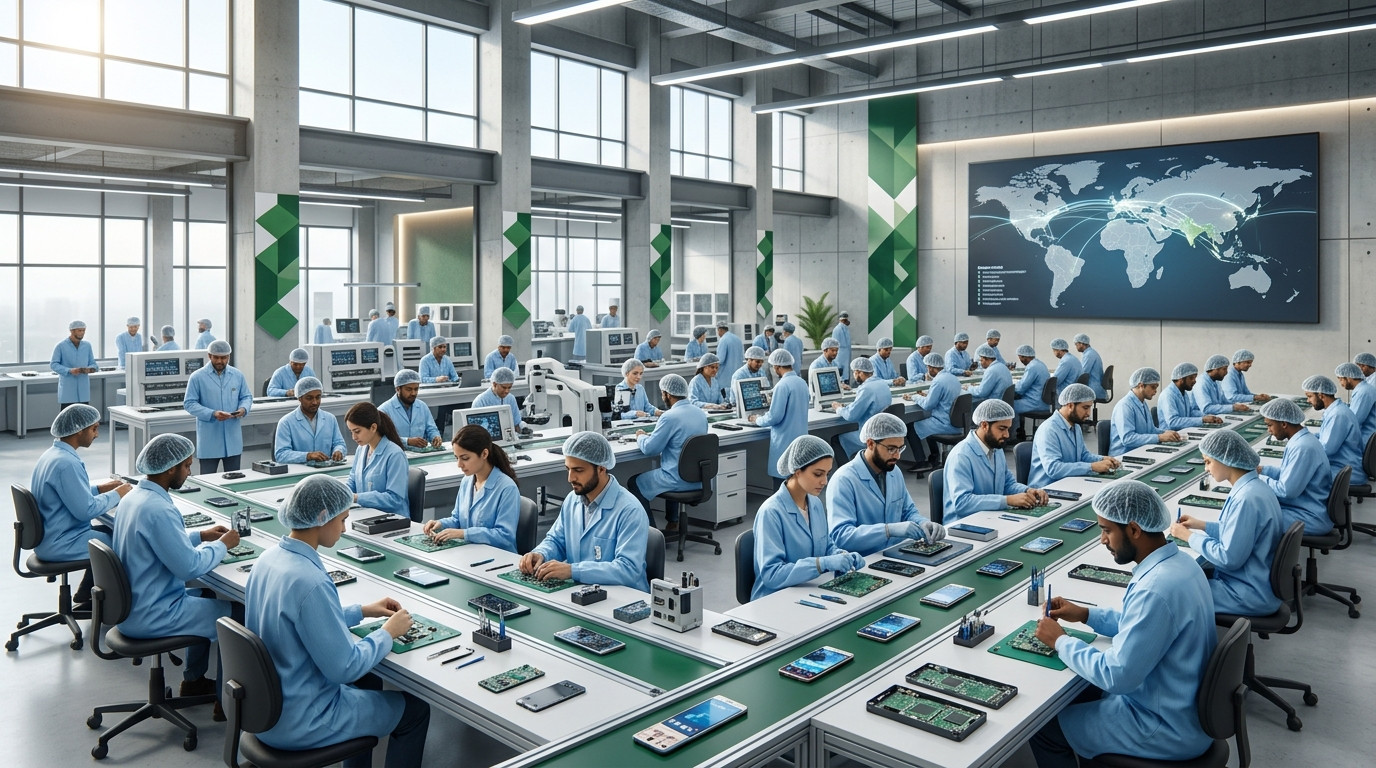
The APBF stressed that stronger EU-backed TVET initiatives could help improve workforce capabilities for both domestic employment and overseas markets. EU-supported programmes have focused on demand-driven skills, with TVET-III recording 118,946 competency-based training graduates and 19,530 workplace-based trainees.
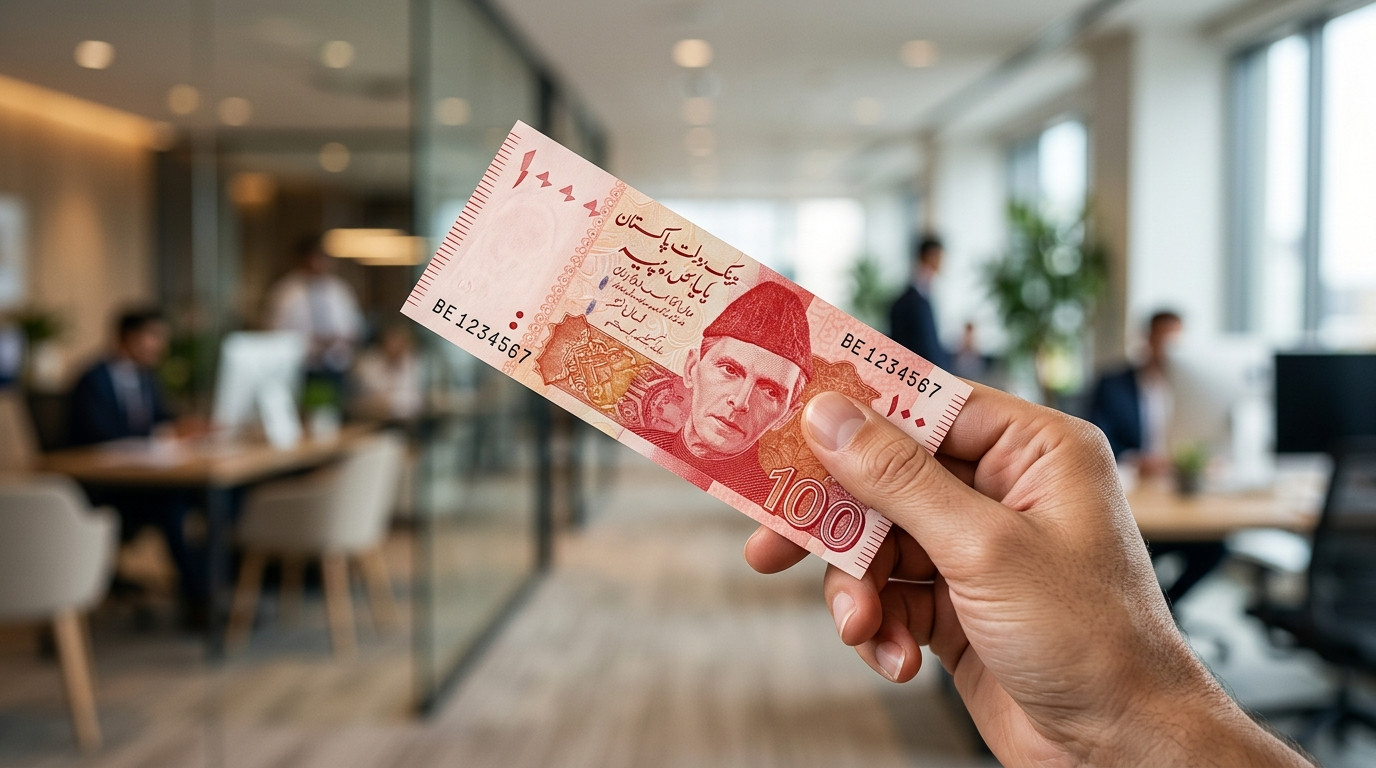
Pakistan's overseas workforce also remains an important source of foreign exchange. Workers' remittances reached a record $41.6 billion in FY2025-26, including approximately $5.23 billion from EU countries.
APBF President Syed Maaz Mahmood called for more practical economic engagement with the EU, particularly through B2B partnerships, investment and joint ventures. He also urged greater support for SMEs facing difficulties with European certification, documentation and compliance requirements.
The APBF said technical assistance and improved access to regulatory information could help Pakistani SMEs enter European supply chains, increase exports and meet evolving environmental, social and quality standards.