- September 22, 2026
- Posted by: Tresmark
- Category:
No Comments
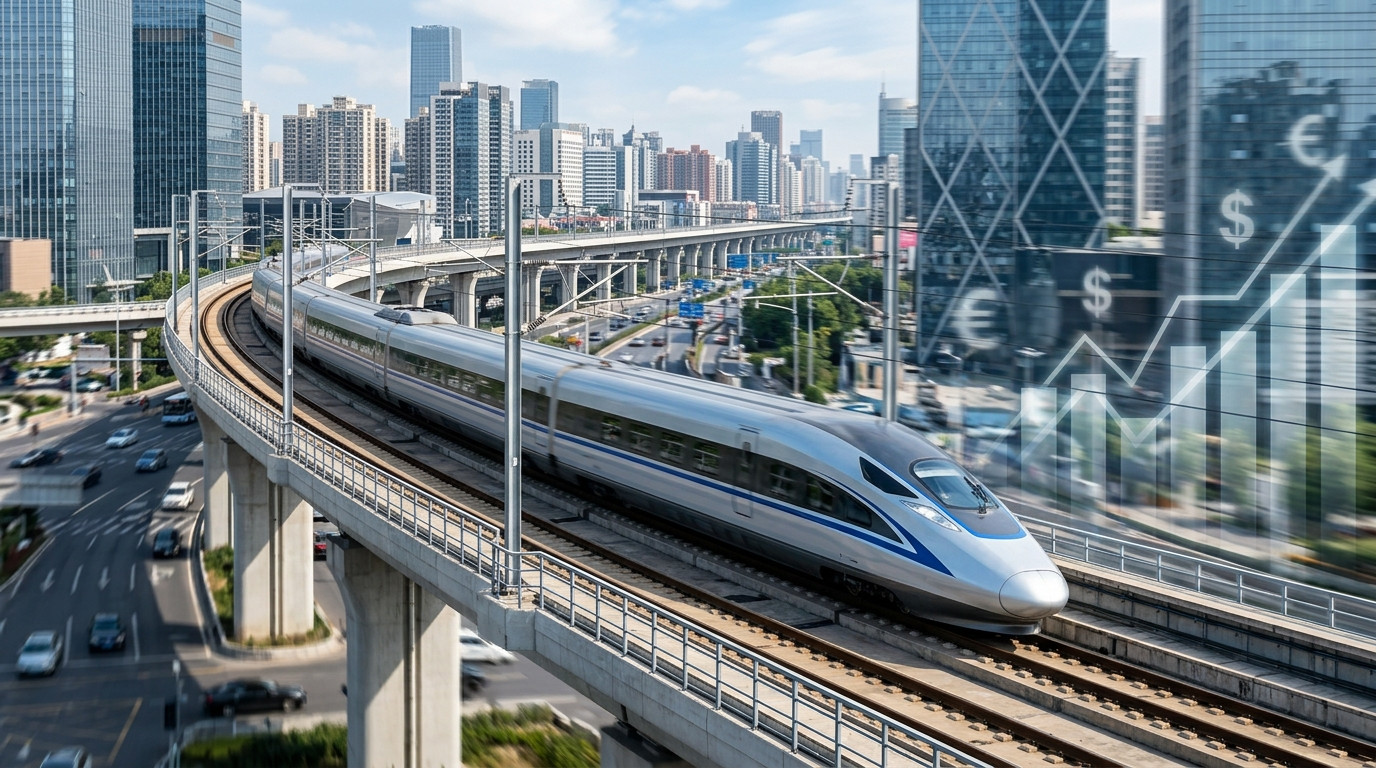
The Asian Development Bank (ADB) and World Bank have expressed interest in financing Pakistan’s 1,800-kilometre Main Line-1 (ML-1) railway project, whose estimated cost has been revised to around $6.8 billion following the withdrawal of Chinese financing.
The Economic Affairs Division briefed the National Assembly Standing Committee on Economic Affairs, informing lawmakers that the ADB is being considered as the lead financing institution, while the Asian Infrastructure Investment Bank (AIIB) and World Bank have indicated commitments for co-financing.
The European Investment Bank, Islamic Development Bank and Japan International Cooperation Agency have also shown interest in the project.
Following a reassessment of the project design, its estimated cost has been reduced to $6.68–6.80 billion, compared with the earlier estimate of around $9 billion. The revised project includes railway infrastructure upgrades as well as institutional and operational reforms aimed at improving Pakistan Railways’ efficiency and service delivery.
The ML-1 infrastructure is being designed to support train speeds of up to 160 km/h, although the currently proposed operational speed is 120 km/h. The committee called for the project’s infrastructure and operating parameters to be aligned with the higher speed where technically and economically feasible. The project is expected to take around three years to complete.
Karachi’s K-IV Project Under Review
The committee also raised concerns over progress on the K-IV water supply project, which is expected to be completed by April 2029. Karachi currently requires more than 1,200 million gallons of water per day, with demand projected to increase further by 2029–30.
Officials informed the committee that an earlier desalination facility had been assessed by NESPAK as technically unsuitable. The committee called for a comprehensive review of K-IV’s technical, financial and implementation aspects and recommended greater coordination between federal and provincial authorities to address delays.
The panel also proposed a joint consultative process involving relevant federal and Sindh departments to resolve financing and administrative bottlenecks affecting major infrastructure projects in Karachi and across the province.
Separately, the Special Investment Facilitation Council (SIFC) informed the committee that the prime minister had directed authorities to accelerate stalled projects involving the UAE and other countries through improved coordination and facilitation.