- September 22, 2026
- Posted by: Tresmark
- Category:
No Comments
The Special Investment Facilitation Council (SIFC) has developed an investment pipeline worth around $40 billion, covering major sectors including industry, oil and gas, infrastructure, power, telecom, IT, pharmaceuticals, tourism and agriculture.
SIFC Secretary Jamil Qureshi briefed the National Assembly Standing Committee on Economic Affairs on the pipeline and ongoing efforts to revive stalled and delayed investment projects involving the UAE and other Gulf countries.
The committee was informed that the government has directed relevant institutions to improve coordination and move delayed projects toward implementation. SIFC said stronger federal-provincial coordination has helped expand the pipeline after earlier delays caused by slow responses and institutional coordination issues.
The committee stressed that identified investment opportunities must be converted into actual projects by addressing regulatory, financial and administrative hurdles. It also called for regular monitoring and closer coordination among federal ministries, provincial governments and implementing agencies.
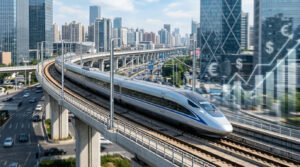
The briefing also covered the $6.68–6.80 billion ML-1 railway project, revised down from an earlier estimate of around $9 billion. The 1,800-kilometre project is expected to modernise Pakistan’s main railway corridor, with the Asian Development Bank being considered as lead financier alongside potential support from other international lenders.
The project is designed for infrastructure capable of handling speeds of up to 160 km/h, although the currently proposed operating speed is 120 km/h. The committee urged authorities to assess whether the higher speed could be operationally achieved where technically and economically feasible.
On Karachi’s water supply, the committee raised concerns over the K-IV project, which is currently expected to be completed by April 2029. Karachi’s water requirement has already exceeded 1,200 million gallons per day, with demand expected to rise further by 2029–30.
The committee also reviewed the M-6 Sukkur-Hyderabad Motorway and Lyari Elevated Freight Corridor, calling for coordinated financing arrangements and closer monitoring to prevent further delays.
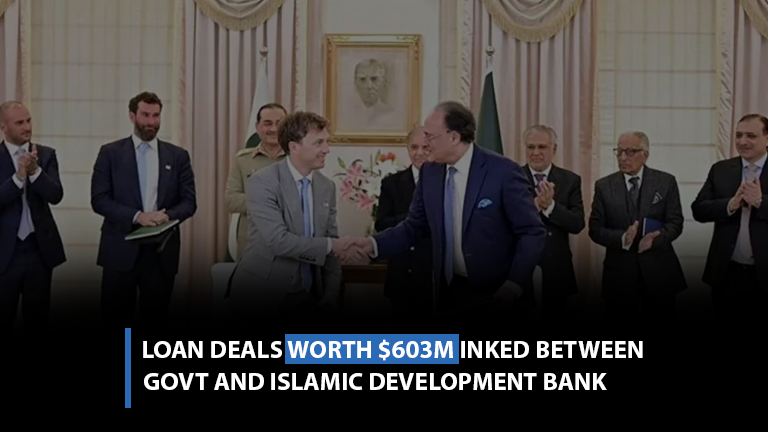
For M-6, Sections I and II are planned under the PPP model, while Sections III–V are expected to rely on OPEC and Islamic Development Bank financing. The committee also called for a review of the financing structure of the Lyari Elevated Freight Corridor to ensure cost efficiency and financial sustainability.