- July 30, 2026
- Posted by: Tresmark
- Category:
No Comments
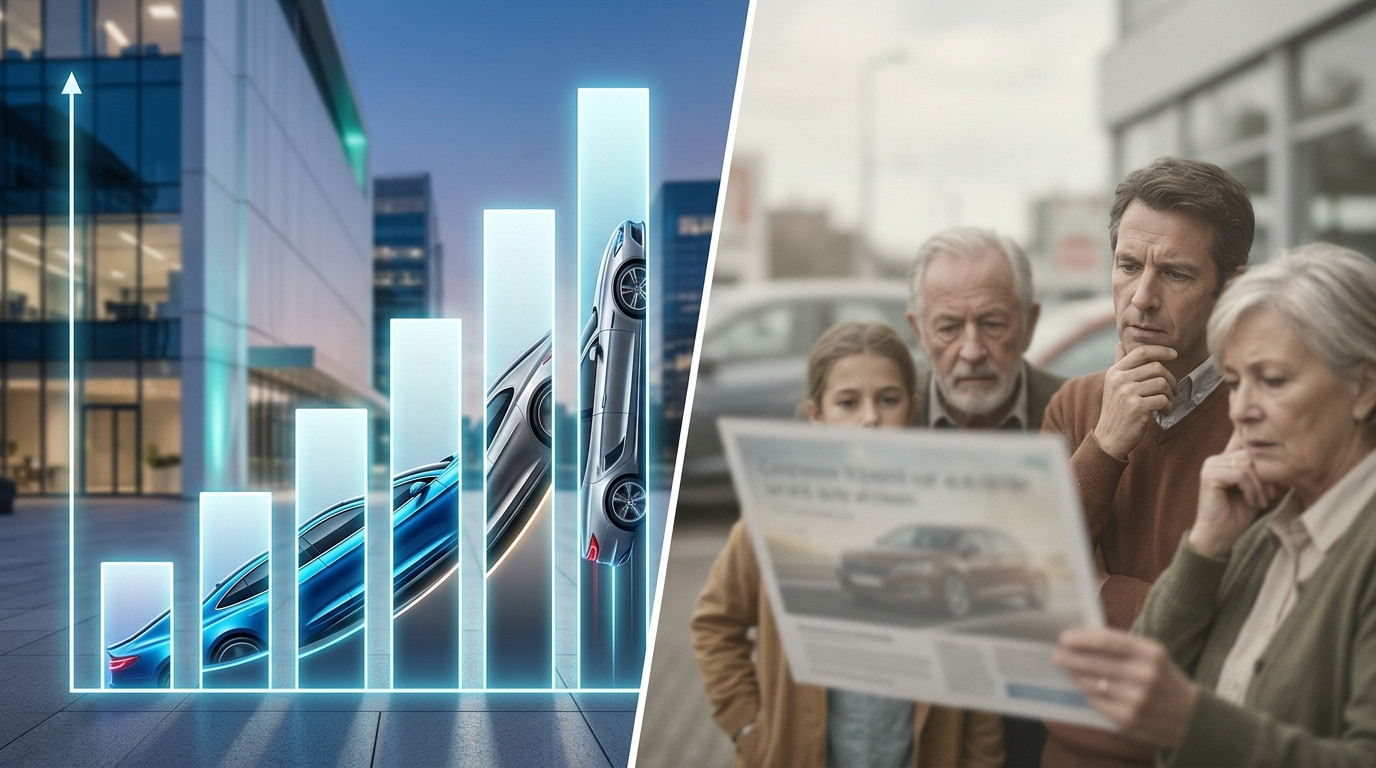
Pakistan's automobile industry recorded a strong recovery in FY2025-26, with passenger car sales rising 39% year-on-year to 156,002 units, but industry stakeholders warned that declining vehicle ownership and policy uncertainty continue to constrain long-term growth.
According to data from the Pakistan Automotive Manufacturers Association (PAMA), the rebound was supported by improving macroeconomic conditions, particularly the reduction in the State Bank of Pakistan's policy rate from 22% in mid-2024 to around 11–12% during FY2025-26, which lowered auto financing costs and boosted consumer demand.
Despite higher sales, industry representatives said car ownership has fallen from 18 to 11 vehicles per 1,000 people, citing affordability challenges, weak income growth, inconsistent policies and a burdensome tax regime. They noted that Pakistan's per capita income of around USD 1,700 remains well below the level typically associated with a significant increase in vehicle ownership.
The Pakistan Association of Automotive Parts & Accessories Manufacturers (PAAPAM) urged the government to finalise a 10-year Auto Industry Development Policy, arguing that long-term policy certainty is essential to attract investment in the capital intensive automotive sector.
Industry leaders also called for greater emphasis on localisation, technology development and domestic parts manufacturing, warning that continued policy uncertainty and rising vehicle imports could weaken Pakistan's auto parts industry and threaten jobs.
On electric vehicles, stakeholders said incentives under the New Energy Vehicles Policy 2025–30 should remain focused on fully electric models while maintaining a technology neutral framework that supports investment, strengthens local manufacturing and expands exports. They added that Pakistan's existing annual production capacity of around 500,000 vehicles could be fully utilised if policy stability and favourable economic conditions are sustained.