- July 24, 2026
- Posted by: Tresmark
- Category:
No Comments
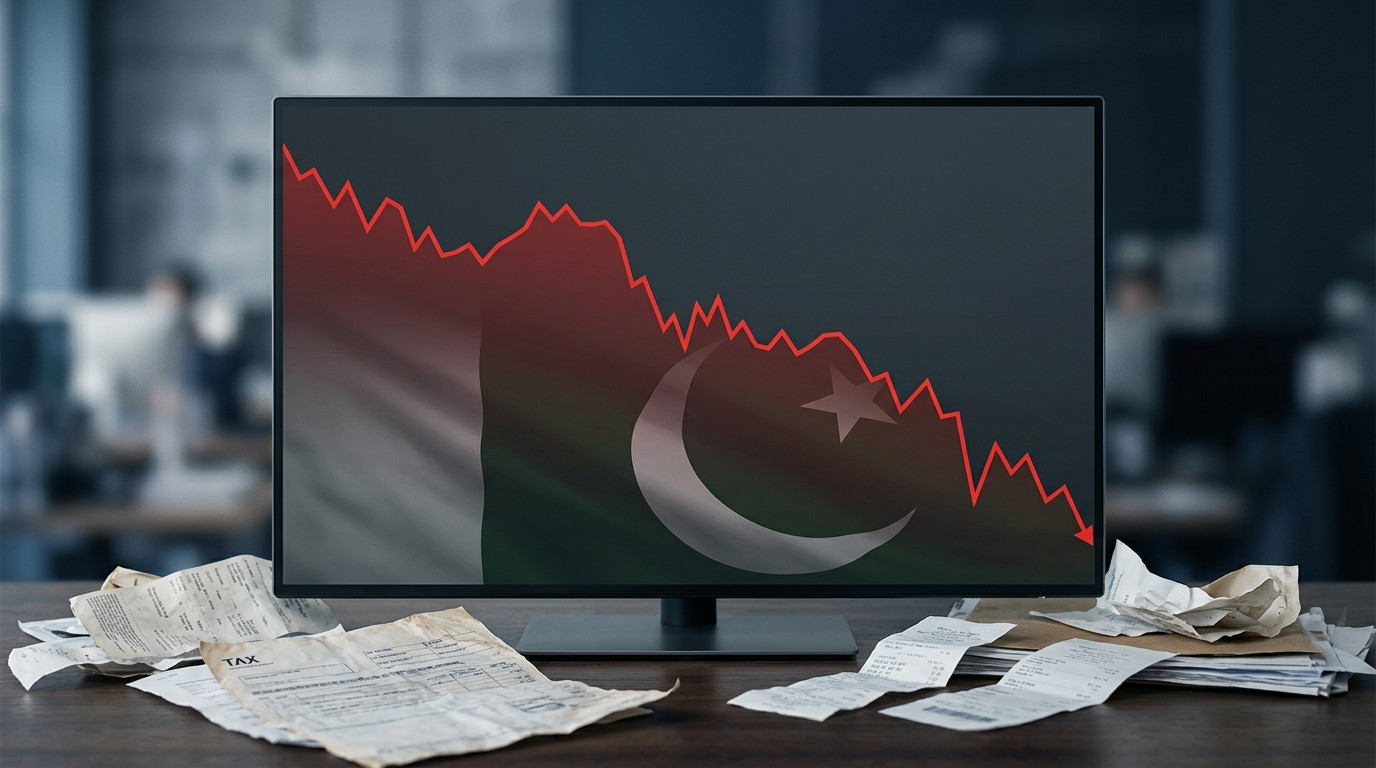
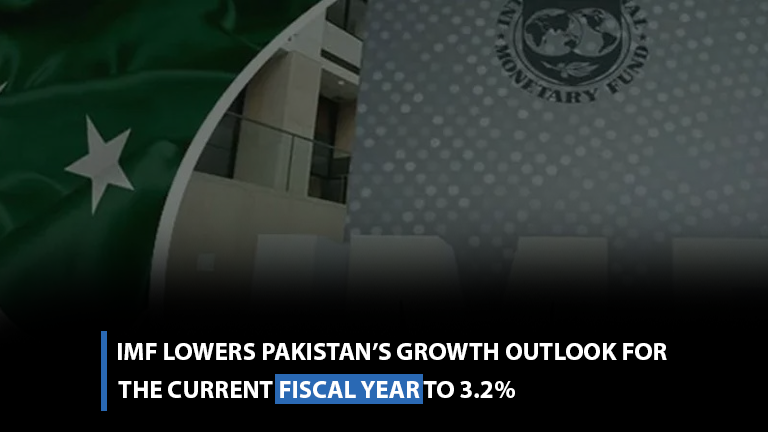
Pakistan's foreign direct investment (FDI) fell 34% year-on-year to USD 1.64 billion in the 12 months ended June, marking its lowest level since 2023, as businesses cited inconsistent tax policies and regulatory uncertainty as key challenges, according to a Bloomberg report.
Several multinational companies, including Procter & Gamble, Telenor, TotalEnergies, Shell, Uber, and Microsoft, have either exited Pakistan, transferred operations to local partners, or scaled back their presence since the 2022 economic crisis.
Business leaders said frequent tax policy changes and a high corporate tax burden have made long-term planning and profitability more difficult. Pakistan's corporate tax rate can reach 44%, including the base corporate tax and additional levies such as the super tax.
The Overseas Investors Chamber of Commerce and Industry (OICCI) warned that the departure of multinational firms extends beyond capital outflows, resulting in the loss of skilled talent, management expertise, and employment opportunities. The Pakistan Business Council (PBC) also stressed that policy stability is essential for attracting and retaining foreign investors.
Government officials, however, argued that many corporate exits were driven by global business strategies rather than domestic conditions, noting that 79 new foreign companies entered Pakistan between 2023 and 2025, compared with 19 exits.
Despite improving macroeconomic indicators, IMF-backed reforms, and renewed efforts to attract investment into sectors such as mining, energy, and digital assets, analysts said Pakistan continues to rely heavily on overseas remittances to support its external account. They added that sustained growth in exports and foreign investment remains critical for the country's long-term economic stability.