- July 15, 2026
- Posted by: Tresmark
- Categories: Market
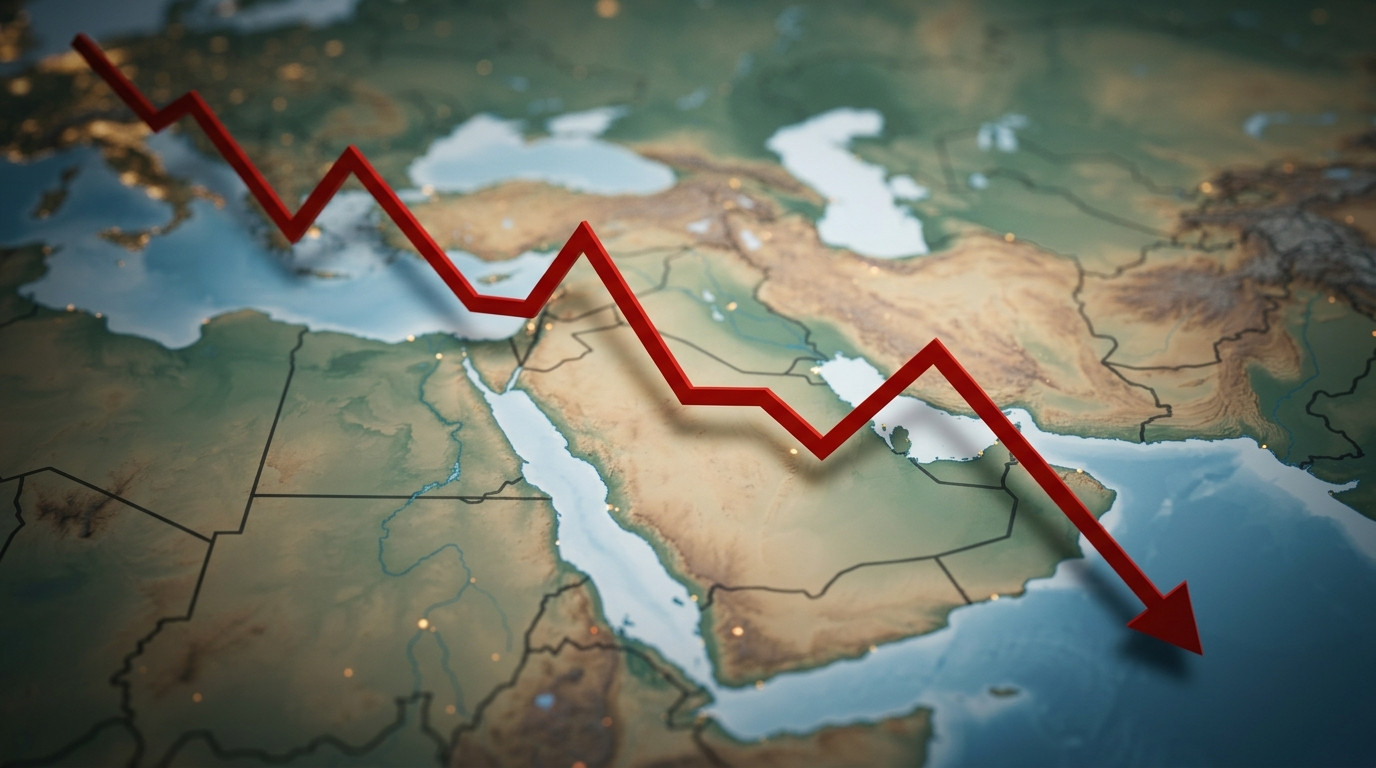
The KSE 100 Index witnessed one of its most volatile trading weeks in recent months, with investors navigating sharp intraday swings driven more by global headlines than domestic fundamentals.
While Pakistan’s macroeconomic outlook continues to improve with easing inflation, a stable policy rate outlook and strengthening external accounts—the market’s attention shifted abruptly to rising geopolitical tensions in the Middle East.
The episode serves as an important reminder that markets don’t react only to local developments. In an increasingly interconnected world, global events can quickly reshape investor sentiment, even when domestic fundamentals remain unchanged.
Geopolitical Risks Triggered a Shift in Market Sentiment
The selloff was largely sparked by escalating tensions in the Middle East, raising concerns over regional stability and the possibility of disruptions to global energy supplies.
As uncertainty increased, investors adopted a classic risk-off approach, reducing exposure to equities and locking in profits after the KSE 100’s strong rally in previous weeks.
Although Pakistan is not directly involved in the conflict, emerging markets are often among the first to feel the effects of global uncertainty. Foreign investor sentiment weakens, oil price expectations rise, and local investors become increasingly cautious.
The result was broad-based selling across multiple sectors, leading to heightened volatility throughout the week.
Why the Market Recovered
Despite the sharp correction, the KSE 100 found support as investors began reassessing the situation.
The absence of further geopolitical escalation, combined with resilient domestic economic indicators, encouraged bargain hunting in fundamentally strong stocks.
This rebound highlighted an important characteristic of financial markets: prices often move faster than fundamentals.
While headlines influence short-term sentiment, long-term market direction is ultimately determined by earnings growth, interest rates, liquidity and economic performance.
Why Real-Time Stock Data Matters During Volatile Markets
Periods like these demonstrate why access to real-time stock data is critical.
During volatile trading sessions, investors need more than end-of-day prices. They need to monitor:
- Live KSE 100 movements
- Sector-wise performance
- Market breadth
- Trading volumes
- Intraday highs and lows
- Institutional activity
Having access to accurate information in real time enables investors and treasury teams to distinguish between panic-driven selling and genuine changes in market fundamentals.
Real-Time Market News Provides the Missing Context
Watching prices alone rarely tells the complete story.
The KSE 100 did not decline because company earnings suddenly deteriorated. It reacted because investors rapidly repriced geopolitical risk.
This is where real-time market news becomes equally important.
Understanding whether a market move is driven by interest rate expectations, geopolitical developments, economic data or corporate announcements allows investors to make informed decisions rather than emotional ones.
The combination of live market data and timely news provides a much clearer picture than either source alone.
Looking Ahead
Although geopolitical uncertainty may continue to create short-term volatility, Pakistan’s domestic macroeconomic indicators remain broadly supportive.
Investors will continue monitoring:
- Corporate earnings
- Inflation trends
- Interest rate expectations
- IMF-related developments
- Oil prices
- Regional geopolitical events
These factors are likely to determine whether the KSE 100 resumes its longer-term upward trend or experiences further periods of consolidation.
Stay Ahead with the Right Financial Information
Volatility is inevitable—but being unprepared is optional.
Whether you’re an investor, corporate treasurer, asset manager or financial institution, combining real-time stock data, real-time market news, and market analytics helps you respond with confidence instead of reacting to speculation.
Tresmark’s financial information terminal brings together live KSE 100 data, real-time market news, foreign exchange rates, money market information and market intelligence on a single platform, helping finance professionals make faster, smarter decisions when markets move the most.