- July 9, 2026
- Posted by: Tresmark
- Category:
No Comments
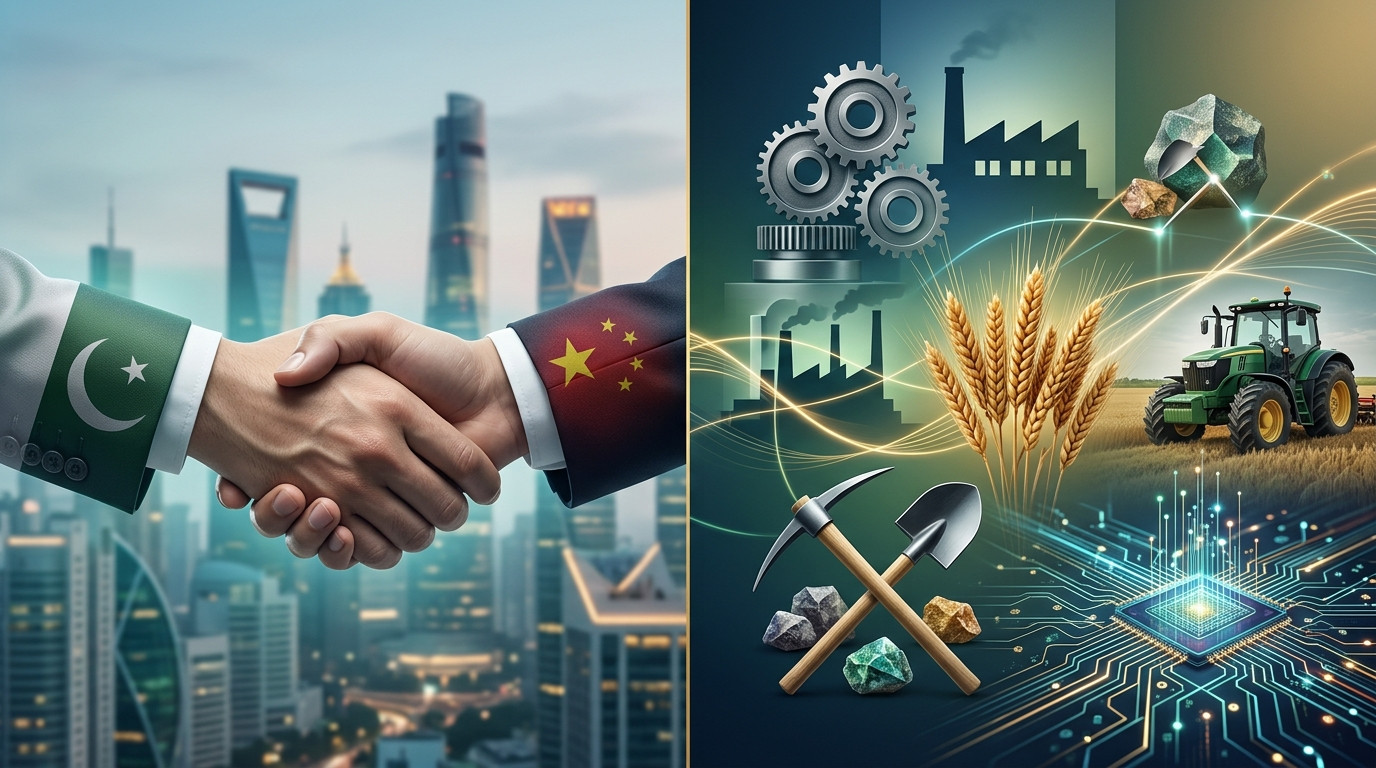
Pakistan and China reaffirmed their commitment to deepening economic cooperation under CPEC 2.0, with both countries pledging to expand collaboration in industry, agriculture, mining and other emerging sectors during an event commemorating the 75th anniversary of diplomatic relations.
Speaking at the event, Chinese Consul General in Lahore Sun Yan said the two countries are entering a new phase of cooperation under CPEC 2.0, stressing the need to develop a skilled workforce, including greater proficiency in the Chinese language, to strengthen trade and investment ties.
The event, organised by the Federation of Pakistan Chambers of Commerce and Industry (FPCCI), was attended by Punjab Finance Minister Mujtaba Shujaur Rehman, Punjab Industries and Commerce Minister Chaudhry Shafay Hussain, diplomats, business leaders and industrialists.
Sun highlighted Prime Minister Shehbaz Sharif’s recent visit to China, where both sides reaffirmed cooperation on economic development, security and international affairs. She noted that CPEC has brought billions of dollars in investment and generated thousands of jobs in Pakistan, adding that the next phase will prioritise sectors such as textiles, advanced manufacturing, artificial intelligence, education and innovation.
Hussain said Pakistan-China economic ties have continued to strengthen, with agreements signed during his visits to China now moving towards implementation. He added that Chinese companies have already invested billions of rupees in Punjab, while additional firms are evaluating investment opportunities in the province.
Foreign affairs expert Muhammad Mehdi urged stronger institutional frameworks to improve trade policymaking, recommending greater stakeholder engagement and enhanced research capacity to maximise the benefits of the Pakistan-China Free Trade Agreement.
FPCCI Regional Chairman and Vice President Zaki Aijaz said future cooperation under CPEC 2.0 should prioritise industrialisation, special economic zones, technology, renewable energy, agriculture, healthcare, logistics and youth entrepreneurship.