- June 27, 2026
- Posted by: Tresmark
- Category:
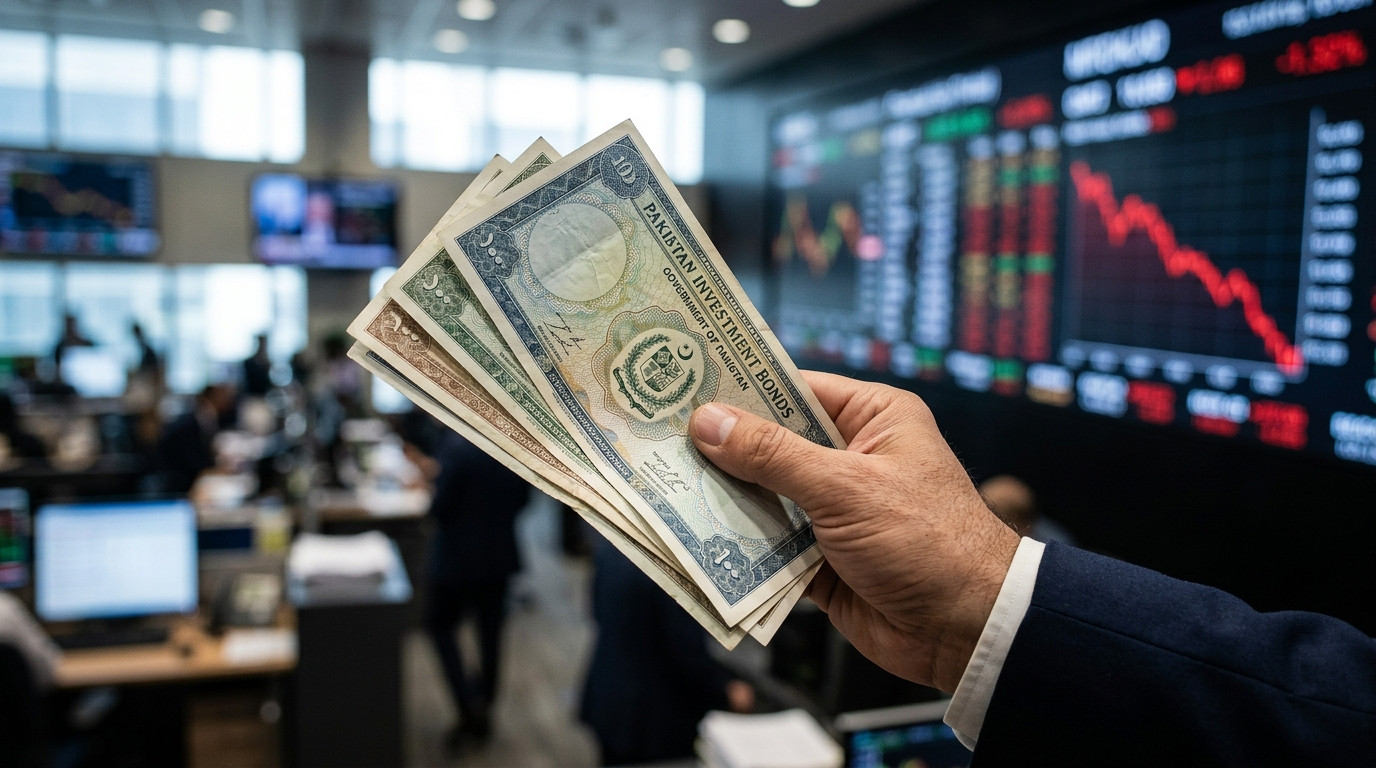
Tresmark: Inflation in the US has climbed back above 4%, but surely markets are overreacting. After all, we’ve seen inflation scares come and go before. Looking for reassurance, you open Fed Fund futures only to discover that markets are assigning roughly an 80% probability of a September rate hike and nearly 70% odds of two rate hikes by December. This pains you immensely.
Surely the market is getting ahead of itself. You turn to the Dollar Index expecting to find some relief, only to discover that DXY is back above 100 and trading near multi-month highs. The Euro, Pound and Yen are all under pressure, with the latter sinking to multi-year lows. Even the usual alternatives offer little comfort. Bitcoin is down 18% this month, while Gold has shed nearly 10%. This is becoming increasingly concerning.
You look at bond yields and realise that 4.5% on a risk-free asset is a surprisingly compelling proposition.
Desperate for a friendly signal, you check what other central banks are doing. Unfortunately, the global rate-cutting cycle appears to have stalled. The Bank of Japan has already hiked rates, the ECB is increasingly expected to do the same, and many others have turned noticeably more hawkish.
Brent is down 25% this month and, for the first time all day, you think you’ve found some good news. Surely lower oil prices will drag inflation back down. Then you remember that a 60-day ceasefire is not a peace treaty. While the US-Iran framework has boosted markets, all three parties remain fully capable of setting the region alight again. The comfort lasts only fleetingly
You then remember the one trade investors have been willing to forgive almost anything for: AI. Surely that should still be holding. Instead, you discover that technology stocks have just suffered one of their worst weeks in almost a year. The market is no longer focused solely on AI’s potential. It is beginning to question AI profitability. The scale of the technology selloff across global markets makes your jaw drop a little.
Looking for some hope, you check the CNN Fear & Greed Index. It is sitting at 15, deep in Extreme Fear territory. You immediately close the page and pretend you didn’t see it.
Surely, DJT’s ace card of replacing the rather hawkish Powell with Warsh will take care of things. Unfortunately, the more you read, the worse it gets. It turns out that Warsh has been one of the strongest advocates of tackling inflation and keeping rates higher for longer. To make matters worse, he is not a fan of forward guidance either, leaving markets with far less visibility on what the Fed might do next. This is not helping
You look at past rate hike cycles to assess whether there is any real risk. History suggests there usually is. The first 6-12 months often look surprisingly benign, which is precisely what makes rate cycles so dangerous. The damage tends to emerge later, usually in liquidity, leverage and the trades that had become most dependent on easy money. The consequences are rarely pleasant.
By now, you take your thinking cap off and sigh. There is no way to fight the rate cycle.
Markets can fight inflation, politics, wars and even common sense. Fighting the rate cycle is considerably harder