- August 25, 2026
- Posted by: Tresmark
- Category:
No Comments
Chief of Defence Forces (CDF) Field Marshal Syed Asim Munir has called for an end to the ongoing US-Iran stalemate, de-escalation of tensions and the reopening of the Strait of Hormuz during a high-level visit to Tehran.
According to the Inter-Services Public Relations (ISPR), Field Marshal Munir and Interior Minister Mohsin Naqvi held detailed discussions with Iran’s senior political and security leadership on preventing further escalation and finding a negotiated solution to the conflict.
During his day-long visit, Munir met Iranian President Masoud Pezeshkian, Supreme National Security Council representative Mohsen Rezaei, Parliament Speaker Mohammad Bagher Ghalibaf, Foreign Minister Abbas Araghchi and Interior Minister Eskandar Momeni.
The discussions focused on restoring dialogue, achieving an expedited end to the conflict and promoting lasting regional stability. Iranian officials reportedly welcomed Pakistan’s diplomatic efforts and expressed appreciation for Islamabad’s role in facilitating dialogue.
The visit comes amid renewed tensions between Washington and Tehran and follows a reported telephone conversation between Munir and US President Donald Trump. Reuters, citing Pakistani sources, reported that Trump had sought Pakistan’s assistance in bringing Iran back to negotiations.
Pakistan has previously played a role in facilitating the Islamabad Memorandum of Understanding between the United States and Iran. However, the understanding’s 60-day framework expired without a lasting breakthrough, while renewed hostilities have further complicated diplomatic efforts.
Iranian officials have accused Washington of failing to honour its commitments under the agreement. Ghalibaf reportedly told Munir that the United States had undermined regional stability, while Rezaei stressed Tehran’s distrust of Washington and called for concrete steps to implement the understanding.
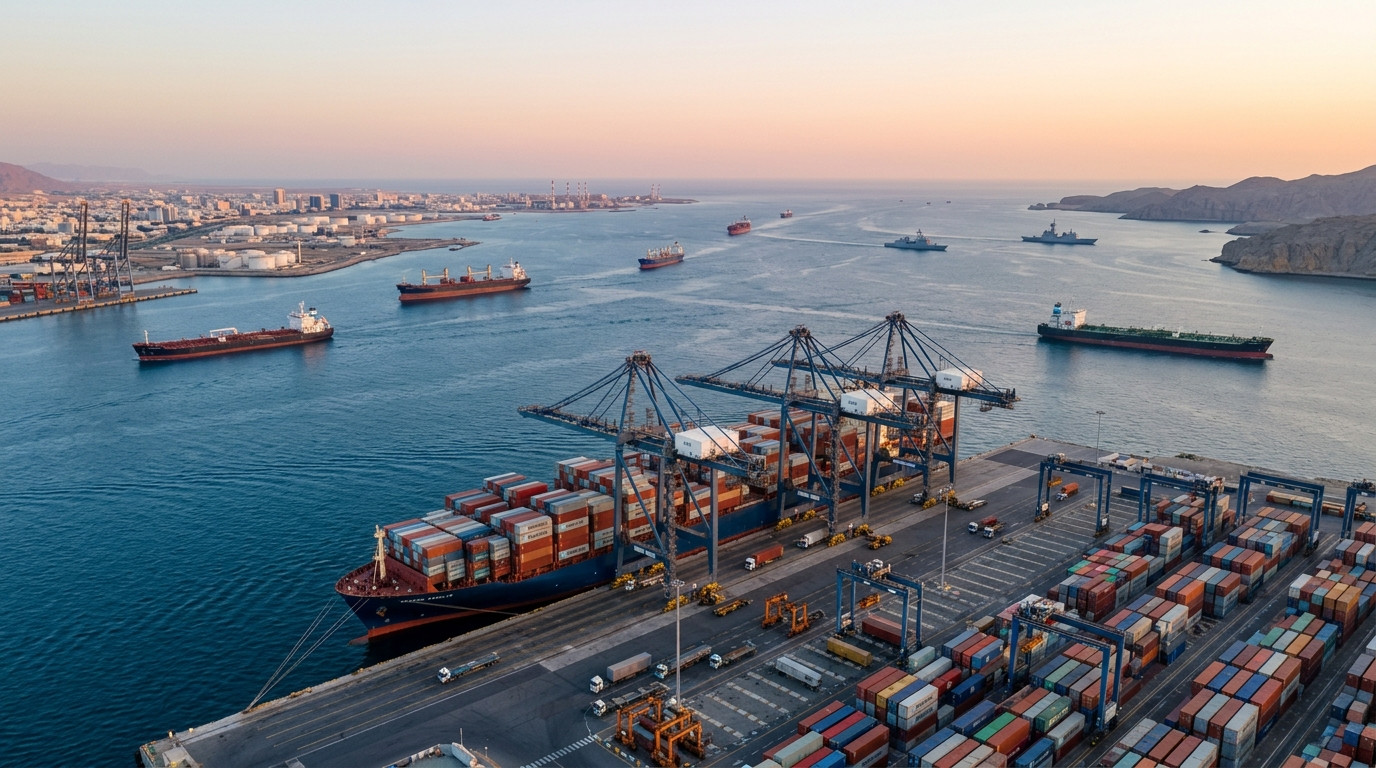
The Strait of Hormuz was another major focus of the discussions. The strategic waterway is vital to global energy trade, and prolonged disruption could put additional pressure on oil markets and regional economies.
Pakistan’s latest diplomatic initiative therefore appears focused on two immediate objectives: preventing further escalation and creating conditions for the reopening of the Strait of Hormuz and resumption of negotiations between Washington and Tehran.
Munir’s visit marks his fourth trip to Tehran since the conflict began, highlighting Islamabad’s efforts to maintain communication with both sides and promote a negotiated settlement.
With Washington seeking greater pressure on Tehran while Iran demands guarantees and concrete commitments before returning to negotiations, Pakistan’s mediation efforts face considerable challenges. Nevertheless, Islamabad continues to position itself as a facilitator for dialogue and regional stability.