- August 24, 2026
- Posted by: Tresmark
- Category:
No Comments
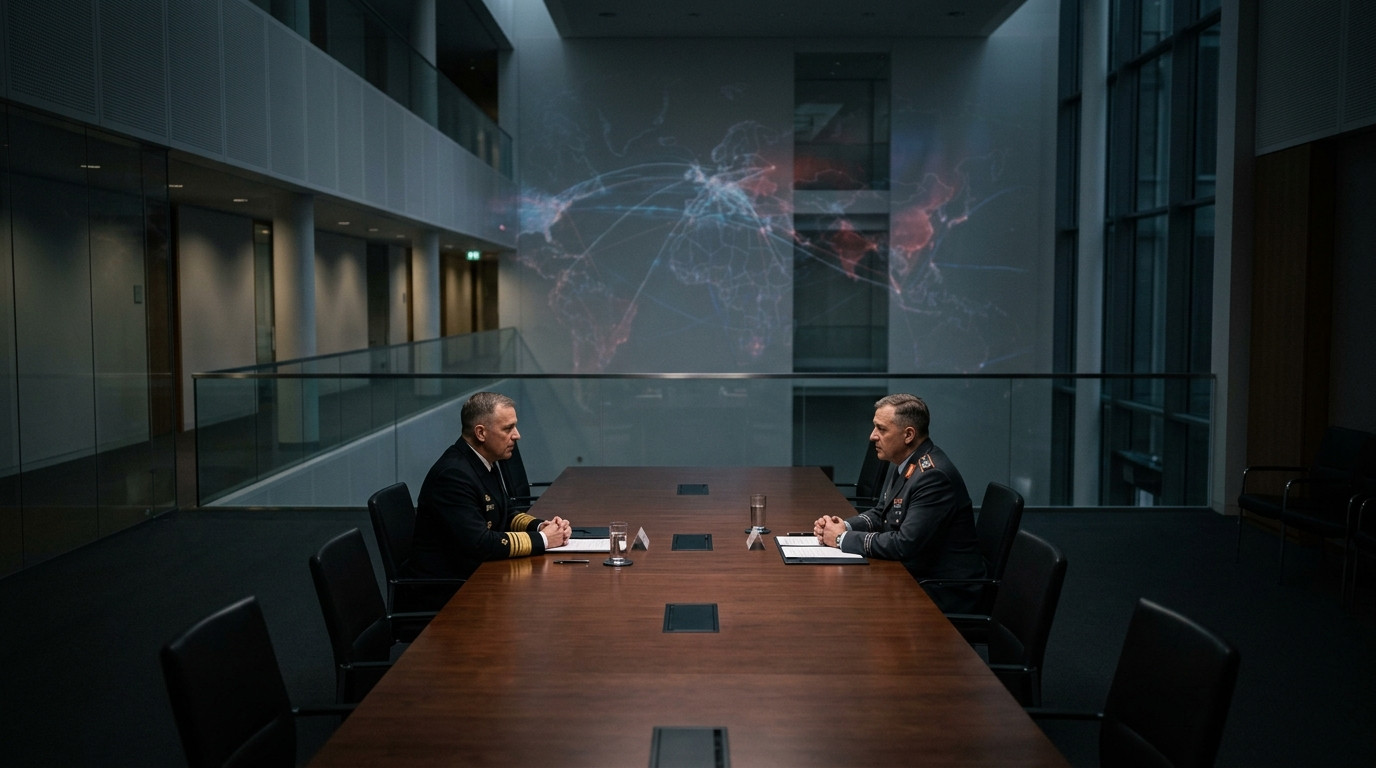
Pakistan’s Chief of Defence Forces and Chief of Army Staff Field Marshal Syed Asim Munir is scheduled to visit Tehran on Monday as Islamabad steps up diplomatic efforts to promote peace and de-escalation between Iran and the United States.
Iranian Foreign Ministry spokesperson Esmaeil Baghaei confirmed the visit, while Pakistani officials said Munir is expected to discuss regional security, the Islamabad peace framework, Washington’s planned sanctions against Tehran and recent developments involving Saudi Arabia, Türkiye and the Houthis.
The visit comes as tensions rise ahead of an expected announcement by US Treasury Secretary Scott Bessent on new sanctions against Iran. Washington has warned that the measures could be among the toughest ever imposed on Tehran.
Pakistan has increasingly positioned itself as a mediator between Iran and the US. Islamabad previously helped broker a ceasefire between the two sides and has continued facilitating communication, including direct talks held in Islamabad in April.
Iran Rejects New US Sanctions
Iranian Foreign Minister Abbas Araghchi criticised Washington’s plans, arguing that the US should engage with Tehran respectfully to reach a settlement based on “justice and honour.”
He described the renewed sanctions threat as a sign of US desperation and said previous military and economic pressure had failed to force Iran into submission.
President Masoud Pezeshkian also defended Iran’s resilience, saying the country had withstood severe economic pressure and continued to pursue the Islamabad memorandum as a way to move beyond the current “neither war nor peace” situation.
Strait of Hormuz Remains Under Pressure
The diplomatic push comes as oil shipments through the Strait of Hormuz remain severely disrupted. Iranian officials have warned that unauthorised tankers attempting to cross the strategic waterway could face military action.
Iran has also threatened to target the interests of neighbouring countries if they cooperate with US economic pressure. Tehran has warned that it could prevent oil from passing through the Persian Gulf if regional states become directly involved in the sanctions campaign.
Iran’s parliament is separately considering a framework that would require vessels from permitted countries to pay fees for services such as maritime assistance, fuel supply, safety, insurance and environmental services while transiting the Strait of Hormuz.
Wider Regional Developments
The heightened tensions are also unfolding alongside broader diplomatic and economic developments. Iran has reportedly been invited to join a joint defence framework involving Saudi Arabia, Pakistan and Türkiye, although the invitation has not yet been independently confirmed by the governments involved.
Separately, Iran announced the discovery of more than 7.5 trillion cubic feet of natural gas in southern Fars Province. Officials estimate around 5.7 trillion cubic feet could ultimately be recoverable from the field.
China is also maintaining diplomatic engagement with Tehran, with its deputy foreign minister meeting an Iranian counterpart in Beijing on August 17.
With new US sanctions expected and shipping through the Strait of Hormuz facing increasing restrictions, Field Marshal Munir’s Tehran visit comes at a critical point for regional diplomacy, energy security and global oil markets.