- September 15, 2026
- Posted by: Tresmark
- Category:
No Comments
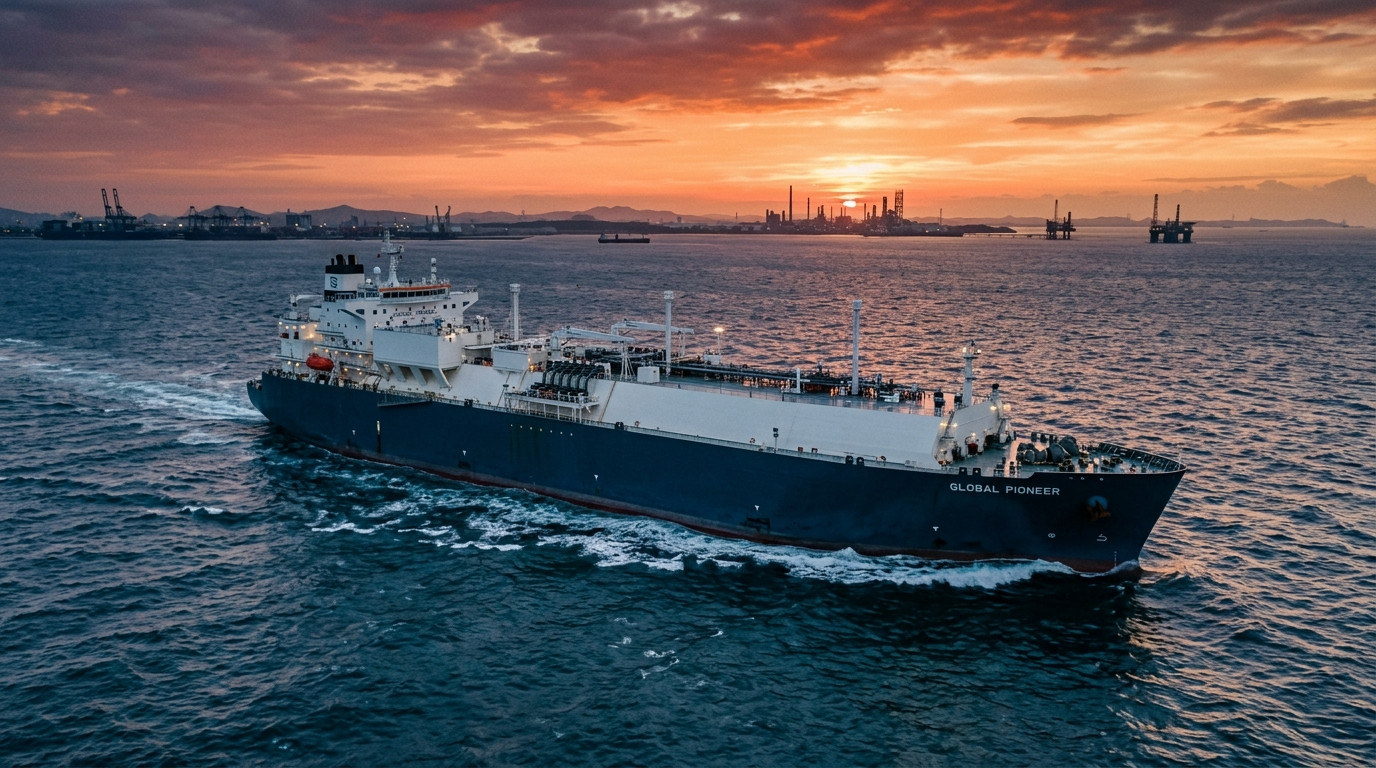
Disruptions around the Strait of Hormuz and sharply higher LNG prices have forced Pakistan to significantly reduce its LNG imports, prompting the country to ration gas supplies and explore alternative energy sources.
Pakistan GasPort Chairman Iqbal Z Ahmed said Pakistan previously imported around 10 to 12 LNG cargoes per month from Qatar and other suppliers. However, the country received only three cargoes in August, with just two scheduled for September.
Speaking on the sidelines of Gastech Bangkok 2026, Ahmed said the reduction in LNG availability was particularly concerning because the fuel plays an important role in Pakistan’s power generation system.
The surge in LNG prices has also made imports increasingly difficult for the country. Pakistan’s latest LNG cargo was purchased at around $27 per million British thermal units (mmBtu), a level Ahmed described as unaffordable. The combination of elevated prices and limited availability has contributed to the decline in imports.
Ahmed expects global LNG market conditions to improve towards the end of the year, but cautioned that any recovery in prices and supplies may take longer because of infrastructure damage and continued availability constraints.
He also highlighted longer-term challenges for the LNG industry, pointing to the rapid expansion of solar power and the broader transition towards lower-emission energy sources. According to Ahmed, LNG producers could face weaker demand if prices remain excessively high despite an expected increase in global supply over the coming years.
Pakistan, meanwhile, is examining alternatives including coal and renewable energy. Ahmed noted that the country has substantial coal reserves and is expanding solar capacity, although coal carries significant environmental costs.
LNG Terminals Underutilised
Pakistan’s LNG import infrastructure is also operating well below capacity. Ahmed said the Pakistan GasPort terminal can process up to seven vessels a month, while Engro’s terminal has capacity for around six. However, both terminals are currently handling only one or two cargoes per month.
He called for greater utilisation of the existing infrastructure and urged the government to open LNG imports and distribution further to private-sector companies.
According to Ahmed, private buyers can sometimes secure LNG at more competitive prices than government procurement processes. Allowing private companies to import LNG and sell it directly to customers could also reduce pressure on the government and limit the risk of adding to the circular debt.
GasPort has already offered the government a $4.7 million discount on its capacity payment during an extended period when the terminal received no gas, he said.
Ahmed stressed that Pakistan needs to liberalise its LNG import and distribution markets to improve energy security and create more supply options. He argued that the government should not carry the entire burden of LNG procurement and that private-sector participation could help develop new customer markets.
US LNG Could Offer Alternative Pricing
Ahmed also questioned Pakistan’s heavy reliance on LNG contracts linked to Brent crude prices. While Qatari LNG is linked to Brent, US LNG could provide an alternative pricing structure based on Henry Hub.
Henry Hub prices remain below $4 per mmBtu, while US liquefaction costs are relatively transparent. Although transportation costs remain a disadvantage, Ahmed believes long-term US LNG contracts could become an attractive option for Pakistan as global energy markets remain volatile.
He said the country has potential solutions available but needs stronger policy support and greater willingness to involve the private sector in LNG procurement and distribution.