- April 2, 2026
- Posted by: Tresmark
- Category:
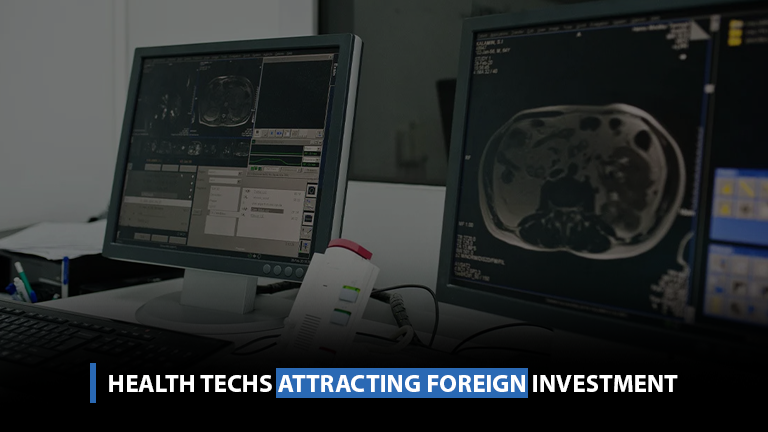
Google has invested half a million dollars in our company, said Syed Ijlal Jafri, Group Chief Information Officer of Martin Dow Group, at the launch of Overseas Investors Chamber of Commerce and Industry’s flagship report “Recommendation for Pakistan’s Digital Future”.
The investment was in data and health tech, an industry the report estimates will grow to $2.19 trillion in 2034 from $387.8 billion in 2025. Currently, countries such as Bangladesh are becoming preferred markets for e-marketplace health investments, with apps such as Maya offering on-demand consultations, similar to Pakistan’s Sehat Kahani model.
However, health tech is a small part of a broader tech picture. In Pakistan, the digital economy could contribute five to seven per cent to GDP by 2030 if bottlenecks were addressed. While there has been strong momentum towards digitisation, as indicated by the country’s $3.8bn IT and IT-enabled exports in FY25 and a freelance economy of $779 million in earnings, there are significant infrastructure gaps.
While 5G has been auctioned and the telcos have geared up their investments, the report outlines that only about 18 per cent of cellular towers are connected through optical fibre cable compared to the global benchmark of around 40pc, limiting preparedness for existing technologies.
The Ministry of Information Technology and Telecommunication plans to expand fibre-optic connectivity to 7.5 million homes over the next five years, from the current 2m fibre-to-the-home subscribers. However, OICCI’s report raises “serious implementation concerns, given the current ground realities,” especially since the regulatory duty was raised to 20pc last year from 10pc, increasing costs by 107pc and deterring expansion of the fibre-optic network.
While there is a lot that needs improvement, there have been glimmers of progress, which include better rankings on the Network Readiness Index and the reduction in the mobile internet gender gap. Quoting GSMA data, the report states 8 million women gained access to mobile internet in 2024, reducing the gender gap from 38pc to 25pc, the first major drop since 2021, driven primarily by increased usage by females in rural areas.
The Only Financial Information Platform You Need
Tresmark is the market leader, the only tool you need for a full picture of the financial markets