- March 10, 2026
- Posted by: Tresmark
- Category:
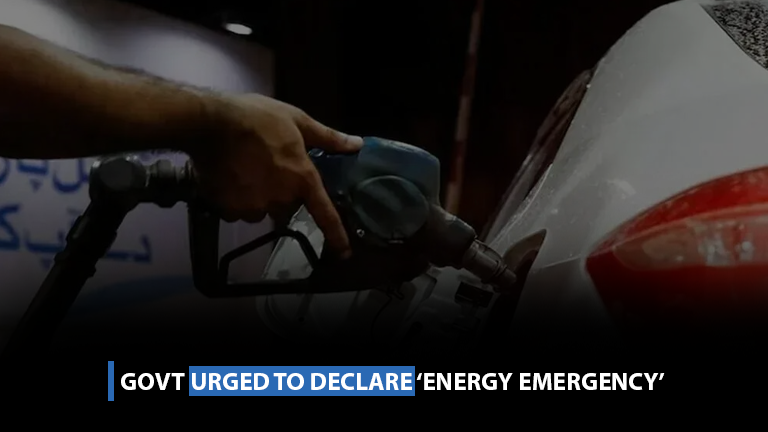
Atif Ikram Sheikh, President of the Federation of Pakistan Chambers of Commerce and Industry (FPCCI), has strongly called upon the federal government to declare an immediate energy emergency; and, implement reliable contingency measures to insulate Pakistan’s fragile economic recovery and its exports from the severe fallout of the ongoing conflict in the Middle East.
He has highlighted that the compounding burden of regionally-uncompetitive petroleum prices – already raised by an exorbitant PKR. 55 per liter – and punishingly high interest rates – with key policy rate continuing to be at 10.5 percent – will cause Pakistan’s cost of doing business to soar to unsustainable levels and will effectively result in crippling the industrial growth and exacerbate country’s exports slowdown even further.
FPCCI Chief stressed that while regional competitors maintain accommodative, single-digit monetary policies and rationalize their petroleum prices to support their manufacturing bases, Pakistani trade and industry will be stifled by exorbitant borrowing costs that paralyze capital investment and modernization – coupled with relentless upward revisions in petroleum levies, which directly inflate logistical, transportation and captive power generation expenses – manufacturers will be left with severely eroded profit margins.
FPCCI Chief reiterated that Pakistan’s industrial sector cannot afford another external shock; given our heavy reliance on Gulf energy imports from Saudi Arabia, the UAE and Qatar – and, interruptions in crude oil and liquefied natural gas (LNG) supplies will fuel inflationary pressures and deepen the cost-of-living crisis.
Atif Ikram Sheikh has highlighted the surging freight and insurance costs as war-risk classifications have driven marine insurance premiums drastically higher. Freight costs on major shipping routes have spiked by up to 300% – with daily LNG freight rates jumping by more than 40 percent.
President FPCCI maintained that supply chain delays on the back of rerouting shipments away from the Gulf is projected to add 15 to 20 days to transit times for Pakistani exports heading to key markets in the European Union, the UK and the United States.
He also pointed out the vulnerability of Pakistani ports as both Port Qasim and Karachi Port are directly linked to Gulf shipping routes; leaving domestic supply chains highly exposed to maritime disruptions and massive delays.
Atif Ikram Sheikh stressed that while the current 28-day petroleum reserve offers a brief buffer, it is insufficient for an extended regional conflict. We are exposed to a severe economic shock if tensions persist.
Coordinated action between policymakers, regulators and the business community is indispensable right now, he added.
The Only Financial Information Platform You Need
Tresmark is the market leader, the only tool you need for a full picture of the financial markets