- August 13, 2026
- Posted by: Tresmark
- Category:
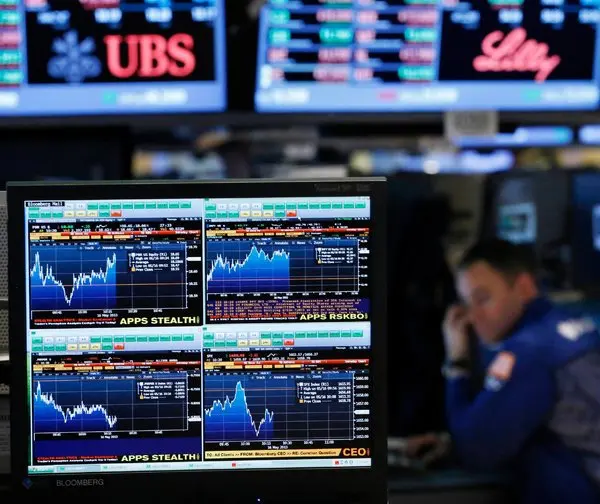
For treasury teams, banks, corporates, asset managers, and financial institutions in Pakistan, access to accurate market information is essential for managing liquidity, foreign exchange exposure, interest rate risk, and investment portfolios. While Bloomberg is widely recognized as a global financial information platform, many local market participants require a more focused solution built around the instruments and data that matter most in Pakistan.
A financial data terminal designed for the local market can bring together USD/PKR rates, KIBOR, PIBs, T Bills, Sukuk, money market data, commodities, PSX data, macroeconomic indicators, and market analytics in one environment. This can reduce the need to switch between multiple sources and help treasury professionals make faster decisions.
What Makes a Financial Data Terminal Important for Pakistan?
Pakistan’s financial markets generate data across multiple sources. The State Bank of Pakistan publishes information covering KIBOR, government securities auctions, PIBs, T Bills, foreign exchange markets, money markets, and other financial indicators.
For treasury teams, however, collecting information is only the first step. The real challenge is bringing relevant market data together in a format that supports day to day decisions.
A financial data terminal can provide a centralized environment for monitoring:
- Interbank USD/PKR rates
- KIBOR and money market rates
- PIB yields and prices
- T Bill yields
- Government securities auctions
- Sukuk market data
- PSX and equity market information
- Commodity prices
- Economic and monetary indicators
- Historical market data
- Yield curves and market analytics
This centralized approach is particularly useful for Pakistani treasury teams dealing with multiple asset classes and market inputs throughout the trading day.
Why a Bloomberg Alternative Can Make Sense for Local Treasury Teams
Bloomberg provides extensive global market coverage, but treasury requirements are often determined by the markets in which an institution operates.
For a Pakistani corporate treasury, for example, monitoring the USD/PKR interbank market, KIBOR, local government securities, money market liquidity, and domestic interest rate expectations can be more immediately relevant than having access to the full breadth of global financial instruments.
A local market focused financial terminal can therefore complement or serve as an alternative to broader international platforms by concentrating on the data most relevant to Pakistan.
For treasury professionals, the objective is not simply to find a Bloomberg replacement. It is to find a platform that provides the right market data, at the right speed, in the right context.
Real Time USD/PKR and FX Market Monitoring
Foreign exchange is one of the most important areas for Pakistani corporate treasury teams. Importers, exporters, banks, and multinational companies regularly monitor USD/PKR movements when managing payments, receivables, hedging, and foreign currency exposure.
Real time FX data can help treasury teams:
- Monitor interbank USD/PKR movements
- Compare market rates with bank quotes
- Track historical FX trends
- Assess currency exposure
- Support hedging decisions
- Monitor forward points and swaps
- Improve pricing and negotiation decisions
A centralized terminal can make this information available alongside interestrate and money market data, giving treasury teams a broader view of the factors influencing currency risk.
KIBOR, Money Markets, and Liquidity Management
Interest rate information is another critical component of Pakistan’s treasury environment. KIBOR, policy rate expectations, repo activity, and other money market indicators influence funding costs, investment decisions, and liquidity management.
The SBP provides data on KIBOR, repo secondary market activity, call market trading volumes, and government securities trading.
For treasury teams, combining these indicators in one dashboard can make it easier to assess short term funding conditions and determine where surplus liquidity can be deployed.
A realtime financial data terminal can help monitor:
- KIBOR rates
- Policy rate changes
- Money market conditions
- Repo and call market activity
- TBill yields
- PIB yields
- Liquidity trends
This creates a more complete picture of Pakistan’s interest rate environment.
PIBs, TBills, and Government Securities
Government securities form a major part of Pakistan’s fixed income market. Treasury professionals routinely monitor T Bills, Pakistan Investment Bonds, and Sukuk when managing liquidity and investment portfolios.
The SBP publishes auction calendars, bid reports, and auction results for instruments including T Bills and PIBs, alongside other government securities and money market information.
For treasury teams, having this information alongside market pricing and yield analytics can help with:
- Comparing yields across maturities
- Monitoring auction cutoff yields
- Tracking yield curve movements
- Managing duration exposure
- Evaluating investment opportunities
- Supporting portfolio valuation
- Monitoring secondary market activity
Rather than treating auction data as an isolated report, treasury professionals can use it together with broader market movements to understand changing interest rate expectations.
From Market Data to Treasury Decisions
The value of a financial data terminal is not simply the number of datasets it contains. Its real value comes from how effectively that information supports financial decisions.
For example, a corporate treasury team evaluating surplus PKR liquidity may need to consider KIBOR, T Bill yields, PIB yields, expected interest rate movements, and upcoming government securities auctions.
Similarly, an importer managing USD exposure may need to monitor USD/PKR, forward rates, market liquidity, and broader macroeconomic developments before deciding how to manage its FX requirements.
Bringing these data points together can reduce manual research and improve the speed of treasury decision making.
Why Real Time Market Data Matters for Pakistani Treasuries
Financial markets can change rapidly following SBP policy decisions, inflation releases, government securities auctions, global commodity movements, or changes in the international dollar market.
Delayed information can make it harder for treasury teams to distinguish between current market conditions and outdated pricing.
Real time market intelligence allows treasury professionals to:
- Monitor market movements as they develop
- React faster to policy announcements
- Compare current rates with historical levels
- Identify changes in liquidity conditions
- Improve portfolio valuation
- Support faster investment decisions
- Strengthen risk management processes
For organizations managing significant FX, liquidity, or fixed income exposure, timely information can directly improve the quality of financial decisions.
What to Look for in a Bloomberg Alternative
For Pakistani treasury teams, choosing a financial data terminal should go beyond comparing the number of global markets covered. The platform should provide meaningful coverage of the instruments and workflows used locally.
Key capabilities to consider include:
- Real time USD/PKR and FX market data
- KIBOR and money market rates
- PIBand T Bill yields
- Government securities auction information
- Sukuk and fixed income data
- Yield curves and historical analytics
- PSX and equity market coverage
- Commodity and global market data
- Financial data APIs
- Treasury and liquidity management tools
- Custom dashboards and watchlists
- Integration with ERP, TMS, and BI systems
Tresmark, for example, provides real time FX, money market, macroeconomic, yield curve, bond market, and secondary market data, together with APIs and treasury management capabilities.
Tresmark as a Financial Data Terminal for Pakistan
For institutions operating in Pakistan, Tresmark brings local market data and treasury workflows into a single financial information environment. Its coverage includes real time USD/PKR rates, KIBOR, money market data, PIBs, T Bills, Sukuk, yield curves, secondary market pricing, and broader market analytics.
The platform is designed for corporate treasuries, financial institutions, banks, asset managers, brokers, and other market participants that need continuous access to financial market information. Its treasury capabilities also include FX exposure monitoring, liquidity management, scenario analysis, historical data, and APIs for ERP, TMS, and BI integration.
For Pakistani users, this local market focus can make a financial data terminal more relevant to everyday treasury workflows, particularly where decisions depend heavily on domestic FX, interest rates, money markets, and government securities.
Choosing the Best Financial Data Terminal for Pakistan
The best financial data terminal is ultimately the one that matches an institution’s market exposure and workflow.
For a Pakistani treasury team, that means having fast access to the markets that directly influence liquidity, funding, FX exposure, and investment portfolios. Instead of relying on separate sources for USD/PKR, KIBOR, PIBs, T Bills, auctions, commodities, and macroeconomic data, a centralized platform can provide a more connected view of the market.
In a data driven treasury environment, the goal is not simply to replace one terminal with another. It is to create a single source of financial market intelligence that helps treasury teams monitor Pakistan’s markets, understand changing conditions, and make faster, more informed decisions.
With local market coverage, real time data, analytics, APIs, and treasury focused tools, platforms such as Tresmark can provide a practical financial data environment for Pakistani banks, corporates, asset managers, and institutional investors.