
Service Industries to Establish Tyre Subsidiary for Business Expansion
Service Industries Limited (SIL) has announced that its wholly owned subsidiary, Service Tyres (Private) Limited (STPL), plans to incorporate a

US Imposes New Tariffs on 60 Trading Partners, Including Pakistan
The United States announced new import tariffs on 60 trading partners, including Pakistan, India, China, and the European Union, citing
Government Moves to Revive USD 6bn Refinery Upgrade Programme
The government has proposed amendments to the Brownfield Refining Policy 2023 to revive Pakistan's stalled refinery modernisation programme, aiming to

Bank Deposits Rise 15% YoY to PKR 40.9tn in June
Pakistan's banking sector deposits increased 15.2% year-on-year to PKR 40.886 trillion as of June 2026, while rising 8.5% month-on-month, according
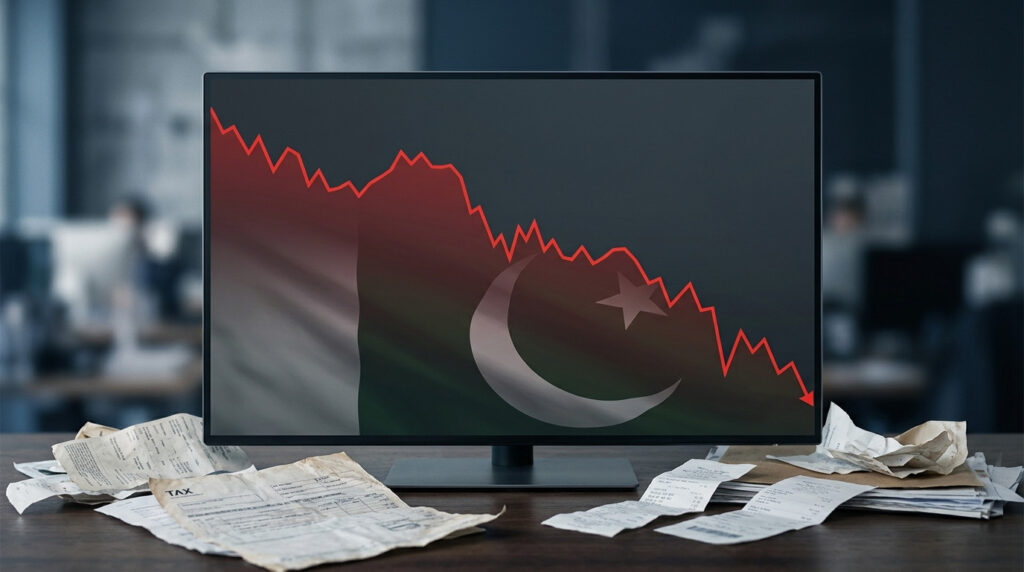
FDI plummets as tax policies frazzle firms
Pakistan's foreign direct investment (FDI) fell 34% year-on-year to USD 1.64 billion in the 12 months ended June, marking its
SBP Forex Reserves Rise by USD 33mn to USD 17.26bn as of July 17
The State Bank of Pakistan's (SBP) foreign exchange reserves increased by USD 33 million to USD 17.259 billion during the
FO Expresses Disappointment Over EU’s GSP+ Assessment Report
Pakistan's Foreign Office (FO) expressed disappointment with the European Union's latest assessment of the country's compliance under the Generalised Scheme
Petrol price surges by PKR 4.40, HSD’s by PKR 3.62
The Federal Government, via the Petroleum Division, has announced an increase in the prices of petrol and High-Speed Diesel (HSD)
Apna Ghar Scheme Targets 150,000 Homes by June 2027
The State Bank of Pakistan (SBP) said the federal government has allocated Rs71 billion in subsidies for the Prime Minister's
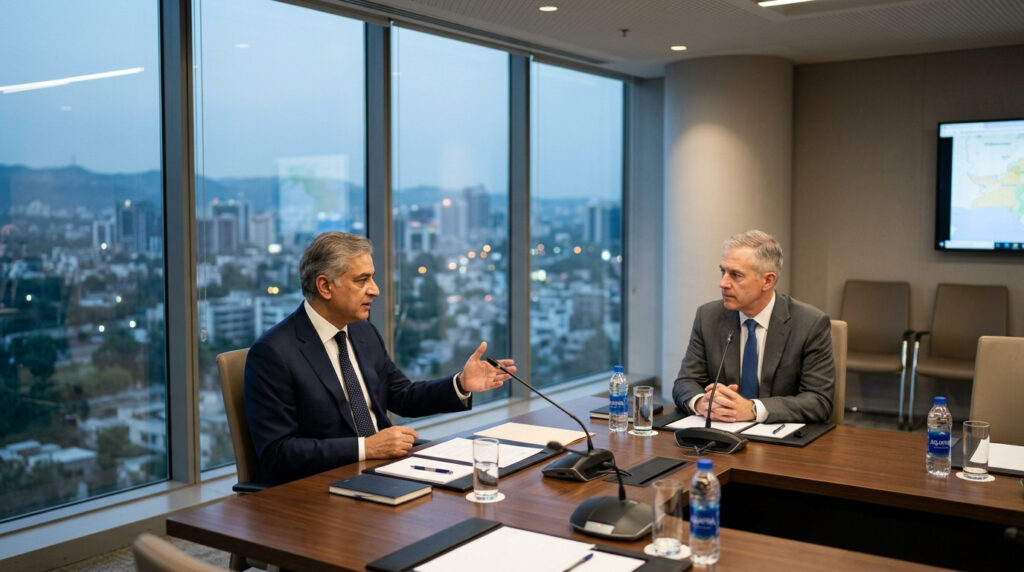
Aurangzeb Reviews Pakistan’s Macroeconomic Performance with IMF Officials
Federal Minister for Finance and Revenue Senator Muhammad Aurangzeb held a series of meetings with senior International Monetary Fund (IMF)