- September 29, 2026
- Posted by: Tresmark
- Category:
No Comments
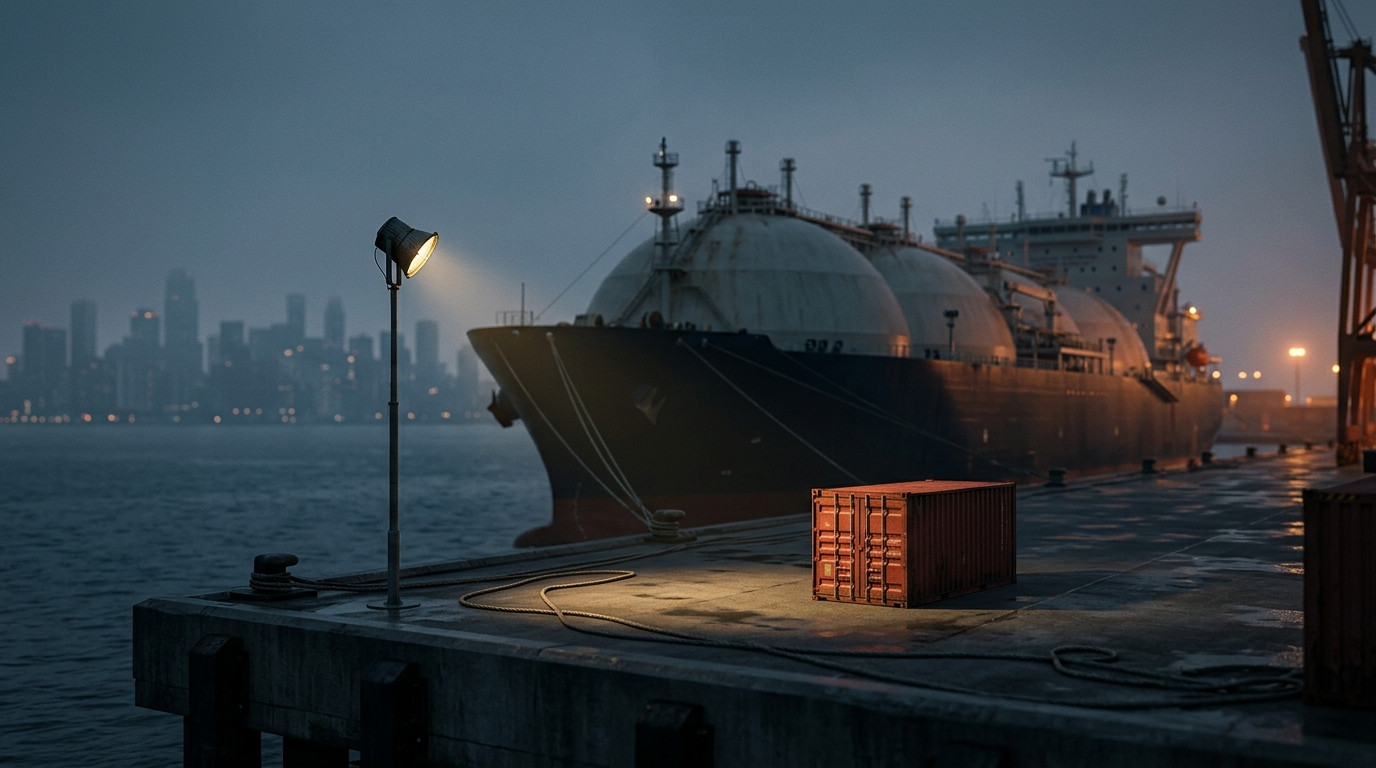
Pakistan’s winter LNG supply outlook has come under pressure after QatarEnergy extended its force majeure on LNG deliveries to the country until November 6, raising concerns over gas and power availability during the peak winter months.
Petroleum Minister Ali Pervaiz Malik confirmed that QatarEnergy informed Pakistan about the extension, citing continued disruptions linked to the security situation around the Strait of Hormuz.
Officials are concerned that if the disruption continues, securing sufficient LNG cargoes for December and January could become increasingly difficult. QatarEnergy could also extend the force majeure beyond November if the situation around Hormuz remains unresolved.
The shortage could put pressure on several sectors, particularly power generation and fertiliser production. Fatima Fertilizer and Agritech are currently receiving around 85 million cubic feet per day (MMCFD) of RLNG, which could face curtailment if supplies deteriorate further. Export-oriented and industrial sectors may also see reduced gas availability, while domestic consumers would likely receive priority during a severe shortage.
Pakistan is exploring alternative LNG sources, including spot-market purchases at potentially higher prices. Authorities are also reportedly arranging two RLNG cargoes from Qatar for October.
Pakistan is estimated to need around nine LNG cargoes each in December 2026 and January 2027. As of September 28, about 206 MMCFD of RLNG was being supplied to the power sector, 85 MMCFD to fertiliser plants and 180 MMCFD to export and non-export sectors.
With winter demand approaching, authorities face the challenge of securing costly alternative LNG supplies while maintaining gas availability for households, power generation and industry.