- August 3, 2026
- Posted by: Tresmark
- Category:
No Comments
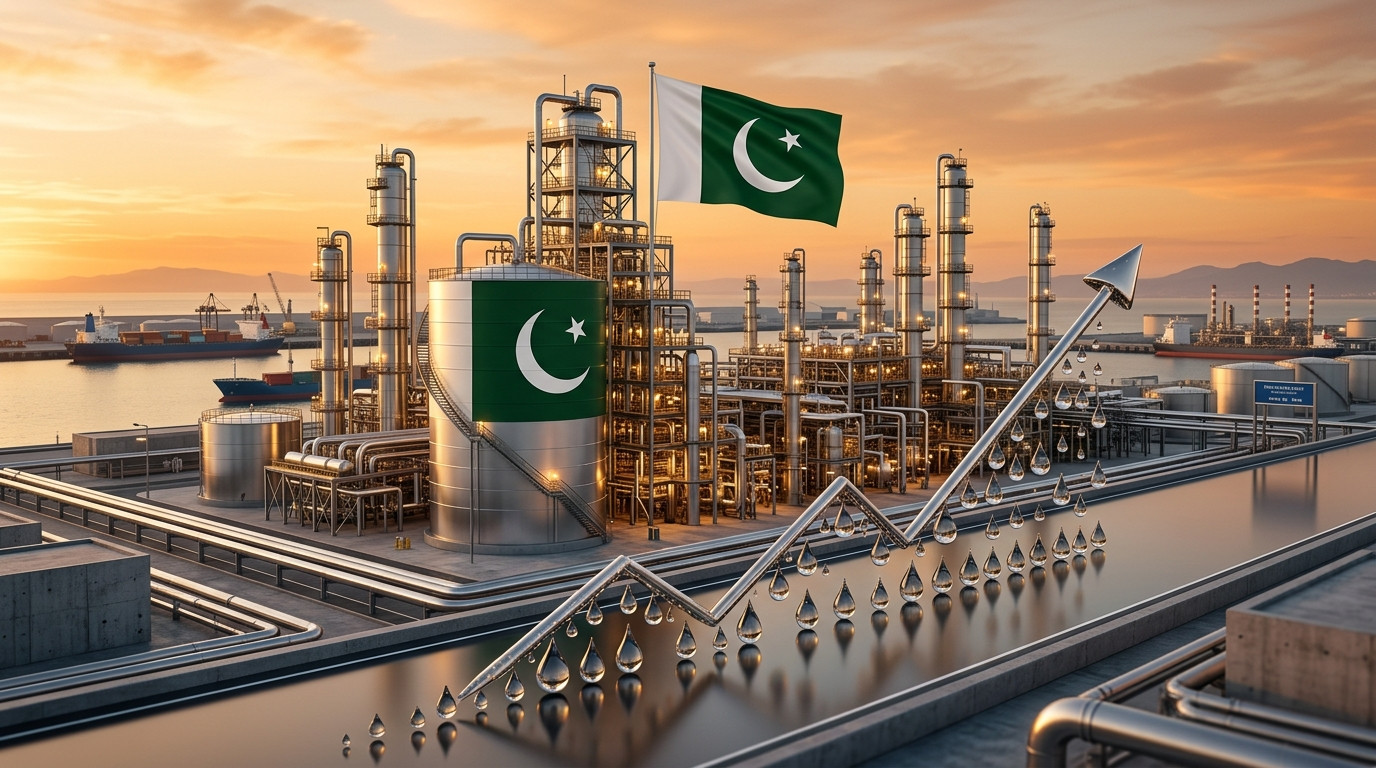
Pakistan has approved a long-awaited policy to modernize its oil refining sector, ending nearly two decades of discussions aimed at improving fuel quality, reducing furnace oil production, and enhancing the country's refining capacity.
The policy focuses on upgrading the country's five existing refineries instead of building new ones, a shift from earlier proposals dating back to the early 2000s. A 2020 study had recommended constructing one new refinery, but the government has opted to modernize existing facilities through deep conversion technology.
The planned upgrades are expected to require between $5 billion and $6 billion in investment, largely for imported machinery and equipment. According to the policy, refiners will finance part of the project through a 7.5% deemed duty on diesel, with the proceeds deposited into escrow accounts to fund approximately one-quarter of the required equity. The remaining financing is expected to come from debt and other sources.
Industry estimates suggest the escrow mechanism could take around three years to accumulate sufficient funds, delaying major investment decisions until approximately 2030.
The upgrades aim to replace Pakistan's ageing hydro-skimming technology, which produces a relatively high proportion of furnace oil. Once completed, the projects are expected to reduce furnace oil output from roughly one-third of each barrel of crude to about one-tenth, while increasing the production of higher-value petrol and diesel. The modernization will also enable refineries to produce Euro 5-compliant fuels, aligning domestic fuel standards with international environmental requirements.
The policy comes as Pakistan continues to manage declining domestic demand for furnace oil following the introduction of an Rs85,000 per tonne levy. The tax, introduced under commitments linked to the IMF's Resilience and Sustainability Facility, has reduced local consumption while refiners continue to face limited export opportunities amid weakening global demand for high-sulphur fuel oil.
Financing remains one of the key challenges for the refinery upgrades. The scale of investment could strain domestic banking capacity, while access to foreign financing will depend on lenders' assessment of both Pakistan's macroeconomic outlook and the commercial viability of the projects. Industry observers also note that importing refinery equipment will require significant foreign exchange and regulatory approvals.
While the upgrades are expected to reduce imports of refined petroleum products, Pakistan will continue to rely on imported crude oil, limiting the overall reduction in external energy dependence. Some analysts argue that strategic petroleum reserves could provide an additional layer of energy security, although such projects would require substantial investment.
Implementation of the policy is still at an early stage. Pakistan's largest refinery, which is majority state-owned, has yet to formally approve the framework, while other refiners are reviewing its commercial implications. Refining companies have been given 90 days to decide whether to participate. Under the policy, companies that do not opt into the upgrade program could face a reduction in the existing deemed duty incentive on diesel.
The refinery modernization program is expected to play a key role in determining the future structure of Pakistan's downstream petroleum sector over the coming decade.