- July 31, 2026
- Posted by: Tresmark
- Category:
Key Takeaways from BankIslami’s Pakistan Economic Outlook: FY2027 and Beyond
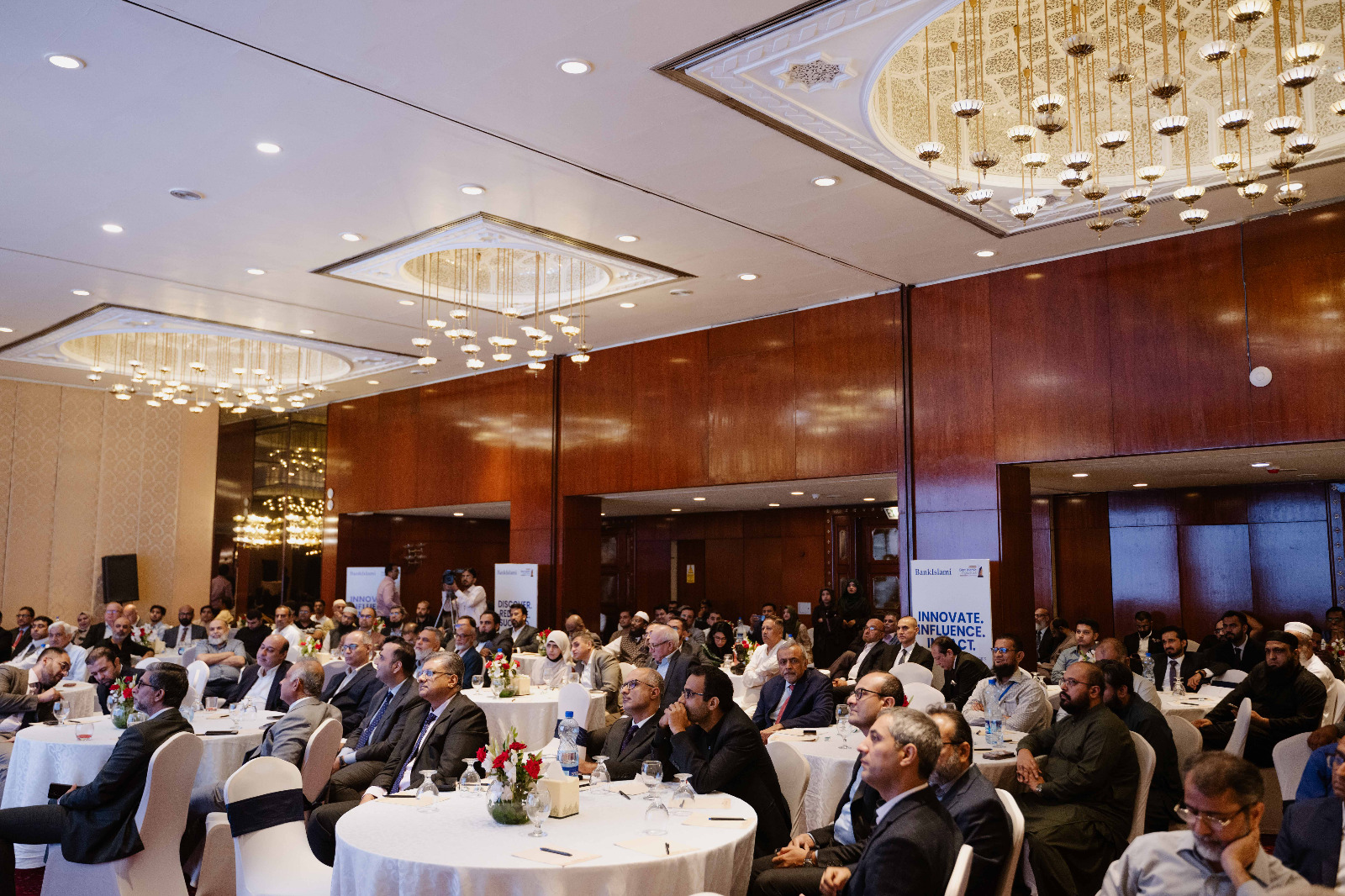
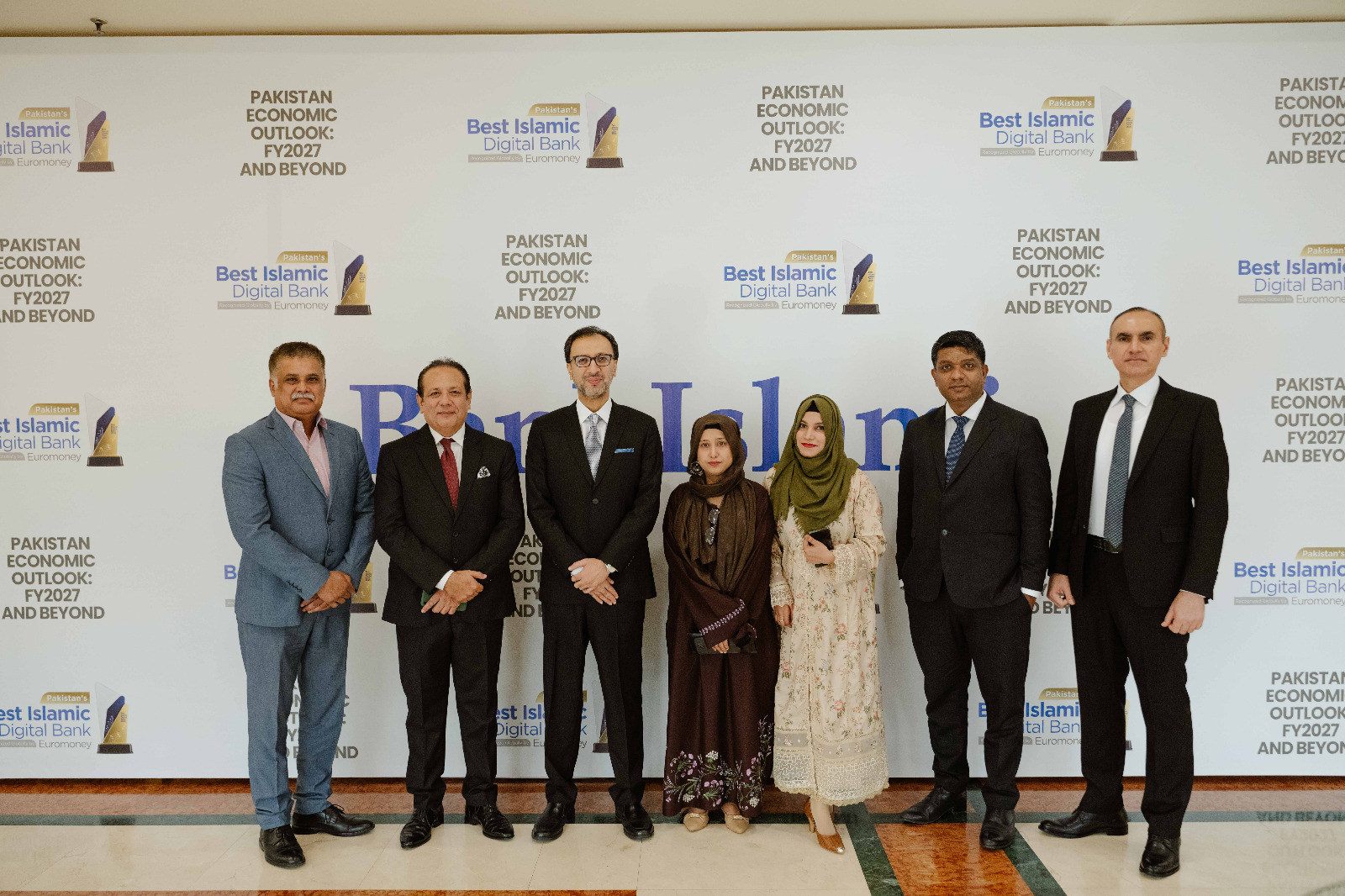
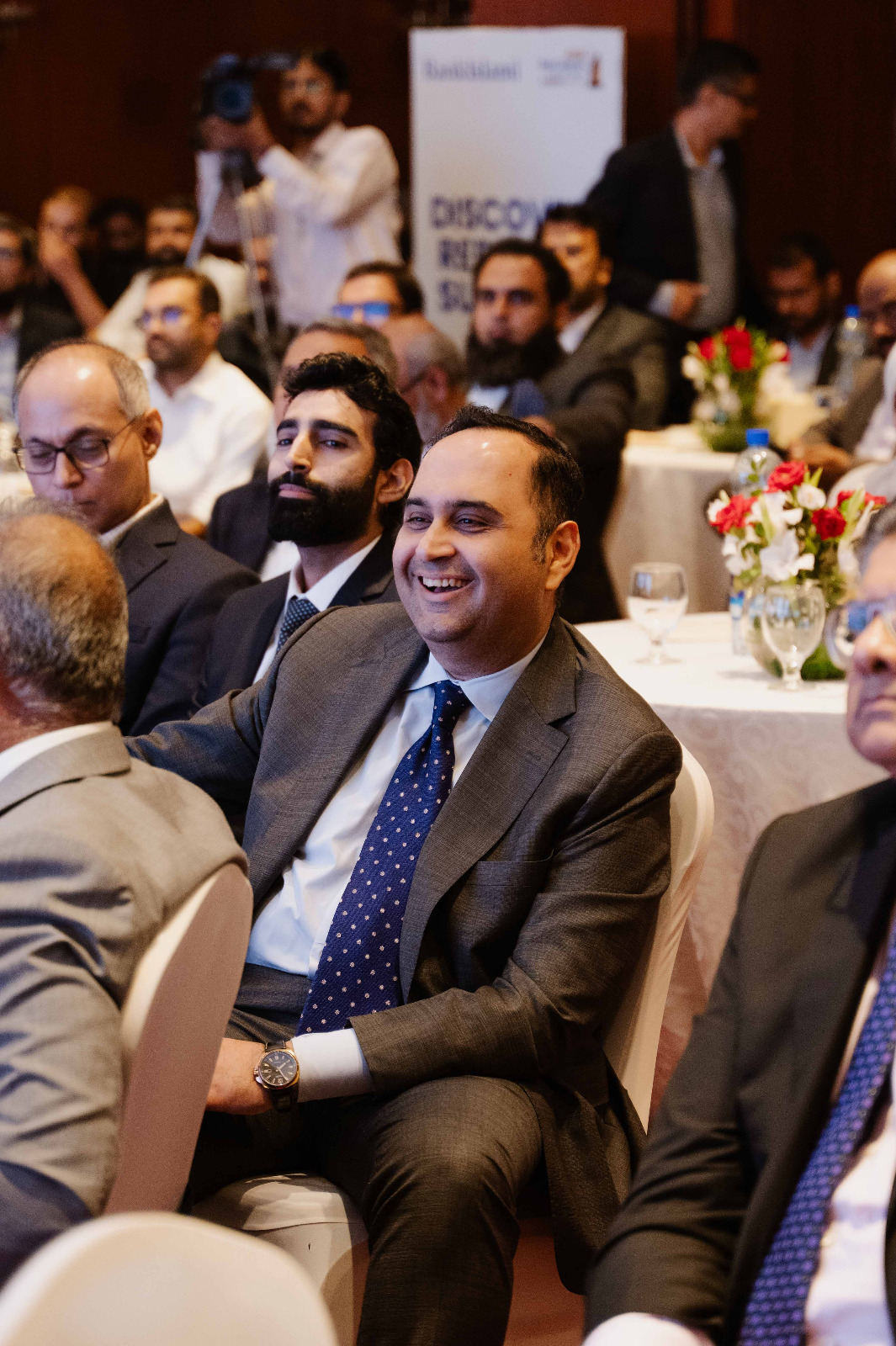
BankIslami recently hosted “Pakistan Economic Outlook: FY2027 and Beyond, “bringing together policymakers, economists, business leaders, financial journalists, and members of the investment community to discuss Pakistan’s economic outlook and the reforms required to support sustainable long-term growth.
The event served as a platform for meaningful discussions on Pakistan’s macroeconomic direction, fiscal priorities, monetary policy, investment climate, and the structural reforms needed to strengthen the country’s economic resilience.
Opening the session, Rizwan Ata, President and CEO of BankIslami, emphasized the importance of collaboration in shaping Pakistan’s economic future.
“Pakistan’s long-term economic progress requires informed dialogue and meaningful engagement among policymakers, businesses, economists and financial institutions. At BankIslami, our role goes beyond being just a financial institution. Our mission is to make Riba-free, Shariah-compliant banking accessible to everyone and serve the economy for long-term progress and prosperity.”
The panel of speakers featured distinguished speakers including Muhammad Amin Khan Lodhi, Deputy Governor, Monetary Policy & Research at the State Bank of Pakistan; Khurram Schehzad, Advisor to the Federal Minister for Finance and Revenue; Dr. Ali Hasanain, Associate Professor of Economics at Lahore University of Management Sciences (LUMS); Ali Khizar, Director Research at Business Recorder, and Khurram Husain, a leading Economic Analyst.
Representing the State Bank of Pakistan at the event, Muhammad Amin Khan Lodhi discussed the importance of maintaining monetary stability, strengthening domestic savings, and building foreign exchange reserves to support sustainable economic growth.
Ali Khizar, opined his concerns regarding lack of export aggressiveness, level of currency in circulation, and banking sector deposit growth. He maintained that the economy needs a different growth model than the one in vogue for the last 20 years, that delivered poor quality socioeconomic progress. He also raised concerns on exchange rate rigidity and reliance on remittances for import financing.
Dr. Ali Hasanain highlighted the need to improve Pakistan’s export competitiveness through productivity, investment, and structural reforms to achieve long-term economic prosperity. He featured 6 key low-cost high-impact reforms that can result in breaking the current economic stalemate.
Khurram Husain discussed the US-Iran conflict analyzing how crude oil inventories were systematically built before the war, and how a conclusion of the conflict can be predicted by current low level of oil inventories. Responding to a question he opined that oil could easily travel above $100 if inventories are shaved even further. He also highlighted import intensity of the country which nearly doubled since FY03, from a balance of $1 to an unsustainable imbalance of $1.87 as of now.
Delivering the keynote address, Khurram Schehzad outlined the government’s long-term economic agenda, emphasizing that sustainable growth will depend on maintaining macroeconomic stability, accelerating structural reforms, and strengthening private-sector-led, export-driven growth. He highlighted improvements in economic indicators, including stronger fiscal discipline, higher foreign exchange reserves, and increasing investor confidence, while reaffirming the government’s commitment to reforms in taxation, privatization, digital transformation, and financial inclusion.
The event reflected BankIslami’s continued focus on fostering informed dialogue and bringing together policymakers, economists, and financial market participants to discuss the issues shaping Pakistan’s economic future.
Speakers paid kudos to the BankIslami Treasury team, headed by Rizwan Malik, for organizing research materials and assisting.