- July 29, 2026
- Posted by: Tresmark
- Category:
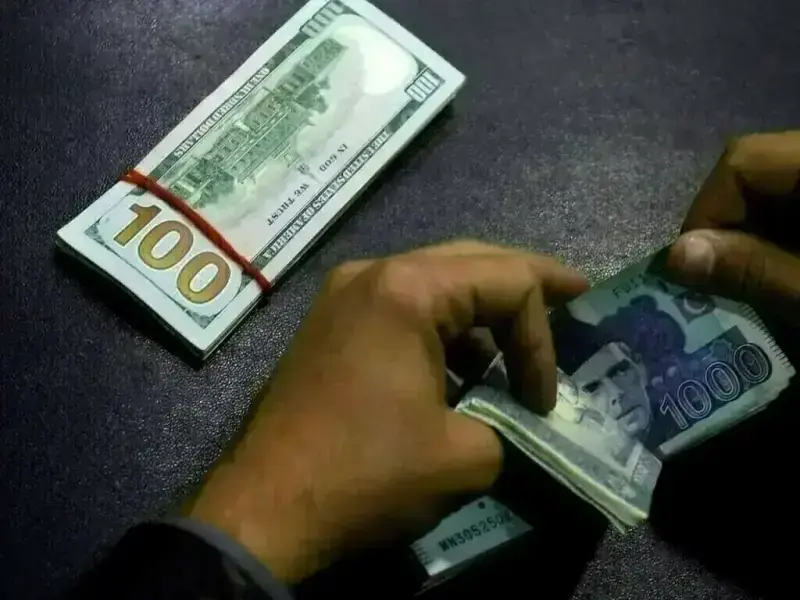
Every Thursday, analysts, traders, importers, exporters, and investors eagerly await one number from the State Bank of Pakistan (SBP) i.e. its foreign exchange reserves.
A rise or fall of just a few hundred million dollars often grabs headlines and can influence the Pakistani Rupee (PKR), bond yields, stock market sentiment, and business confidence.
But why do SBP forex reserves matter so much? And how exactly do they affect Pakistan’s economy and exchange rate?
Let’s break it down.
What Are SBP Forex Reserves?
SBP forex reserves, also known as Pakistan’s foreign exchange reserves, are foreign currency assets held by the State Bank of Pakistan.
These reserves primarily consist of:
- US Dollars
- Euros
- British Pounds
- Chinese Yuan
- Gold reserves
- IMF Special Drawing Rights (SDRs)
These assets are used to meet Pakistan’s international payment obligations and maintain stability in the country’s financial system.
Why Does Pakistan Need Foreign Exchange Reserves?
Pakistan imports essential goods such as:
- Petroleum products
- LNG and natural gas
- Machinery
- Industrial raw materials
- Pharmaceuticals
- Edible oil
These imports must be paid for in foreign currencies, mainly US Dollars.
Forex reserves help Pakistan:
- Pay for imports
- Repay external debt
- Meet sovereign obligations
- Stabilize the exchange rate
- Build investor confidence
- Reduce financial risks during external shocks
Without sufficient reserves, the country becomes vulnerable to currency depreciation and economic instability.
How SBP Forex Reserves Affect the Pakistani Rupee (USD/PKR)
The relationship is simple:
Higher forex reserves generally support the Pakistani Rupee. Lower reserves usually put pressure on the Rupee.
Here’s why.
- Greater Ability to Meet Dollar Demand
When reserves are strong, the SBP has enough foreign currency to meet legitimate demand for dollars.
This reassures the market that import payments and external debt obligations can be fulfilled without disruption.
As confidence improves, panic buying of dollars typically subsides, helping stabilize the USD/PKR exchange rate.
- Increased Market Confidence
Foreign investors closely monitor Pakistan’s reserve position.
Strong reserves indicate:
- Better external liquidity
- Lower default risk
- Improved macroeconomic stability
- Greater ability to service foreign debt
This often encourages investment in Pakistani equities and government securities.
Conversely, rapidly declining reserves can increase concerns over balance of payments risks, prompting capital outflows and putting additional pressure on the Rupee.
- Reduced Exchange Rate Volatility
Forex reserves provide the central bank with flexibility during periods of excessive market volatility.
While Pakistan now follows a more market-based exchange rate regime, adequate reserves can still help the SBP manage disorderly market conditions by ensuring sufficient foreign currency liquidity when needed.
This contributes to smoother movements in the Pakistani Rupee rather than abrupt fluctuations.
How Forex Reserves Influence Inflation
Pakistan imports many everyday necessities.
When reserves fall significantly:
- The Rupee may weaken.
- Imported goods become more expensive.
- Fuel prices rise.
- Transportation costs increase.
- Businesses face higher input costs.
- Consumer prices often move higher.
This imported inflation affects households and businesses across the economy.
Stable reserves help reduce these pressures by supporting confidence in the exchange rate.
Why Importers and Exporters Watch SBP Reserves
Importers
Importers require US Dollars to purchase goods from abroad.
Higher reserves generally improve confidence that foreign currency will remain available and exchange rate movements will be more manageable.
Exporters
Exporters receive payments in foreign currency.
Reserve trends influence expectations regarding the future direction of the Rupee, helping exporters make decisions on:
- Export proceeds
- Forward contracts
- Currency hedging
- Pricing strategies
What Happens When Pakistan’s Forex Reserves Decline?
When reserves fall sharply, several challenges may emerge:
- Increased pressure on the Pakistani Rupee
- Higher import costs
- Rising inflation
- Increased external financing needs
- Reduced investor confidence
- Higher sovereign borrowing costs
- Greater exchange rate volatility
These developments often become key concerns for financial markets.
What Causes Forex Reserves to Increase?
Pakistan’s foreign exchange reserves generally rise when the country receives higher inflows of foreign currency.
Major contributors include:
Higher Workers’ Remittances
Remittances from overseas Pakistanis remain one of the largest sources of foreign exchange.
Export Growth
Higher exports generate additional dollar inflows.
IMF and Multilateral Financing
Loans and disbursements from institutions such as the IMF, World Bank, and Asian Development Bank temporarily strengthen reserve levels.
Foreign Direct Investment (FDI)
Long-term investments by international companies bring additional foreign currency into Pakistan.
Commercial Borrowing and International Sukuk/Eurobond Issuance
External financing can increase reserves, although these inflows also create future repayment obligations.
What Is a Healthy Level of Forex Reserves?
There is no universal benchmark.
However, economists generally assess reserve adequacy based on import cover which is the number of months of imports a country’s reserves can finance.
A reserve position covering at least three months of imports is often viewed as a minimum threshold for external stability, while higher levels provide greater resilience against global shocks.
Why Financial Markets React Every Thursday
The State Bank of Pakistan publishes its weekly foreign exchange reserves data, making it one of the most closely watched indicators in the country.
A stronger-than-expected increase in reserves may:
- Improve market sentiment
- Support the Pakistani Rupee
- Strengthen investor confidence
A sharp decline, on the other hand, may raise concerns about Pakistan’s external position and contribute to increased volatility across currency, bond, and equity markets.
Beyond the Headline Number
Looking only at the reserve figure can be misleading.
Professional investors also analyze:
- Changes in import cover
- External debt repayments
- IMF program developments
- Current account balance
- Workers’ remittances
- Export performance
- Oil prices
- SBP monetary policy
- Global US Dollar trends
Taken together, these indicators provide a more complete picture of Pakistan’s external sector. Rather than tracking each metric separately, treasury professionals and investors benefit from viewing them alongside real-time movements in currencies, bonds, equities, commodities, and macroeconomic indicators. A comprehensive multi-asset view helps identify how changes in SBP forex reserves ripple across financial markets and influence investment decisions. Platforms like Tresmark’s Multi-Asset Trading Platform bring these interconnected markets together in a single interface, enabling users to analyze reserve data in the context of broader market trends and make more informed decisions.
Final Thoughts
SBP forex reserves are one of Pakistan’s most important macroeconomic indicators. They influence the USD/PKR exchange rate, inflation, investor confidence, import financing, and the country’s overall economic stability.
For businesses, treasury professionals, investors, and market participants, monitoring reserve trends is essential for understanding where the economy may be headed.
Rather than viewing reserve changes in isolation, they should be analyzed alongside remittances, the current account, external debt, monetary policy, and global financial conditions.
Keeping track of these indicators enables better-informed decisions in an increasingly dynamic financial environment.
Frequently Asked Questions (FAQs)
What are SBP forex reserves?
SBP forex reserves are foreign currency assets held by the State Bank of Pakistan to pay for imports, service external debt, and support financial stability.
How do forex reserves affect the Pakistani Rupee?
Higher reserves generally strengthen confidence in the Rupee by improving Pakistan’s ability to meet external payment obligations, while lower reserves can increase depreciation pressures.
Why are forex reserves important for Pakistan?
They help finance imports, repay foreign debt, maintain investor confidence, reduce exchange rate volatility, and strengthen the country’s external position.
How often does SBP publish forex reserve data?
The State Bank of Pakistan releases updated foreign exchange reserve figures every week, making them one of the country’s most closely followed economic indicators.