- July 8, 2026
- Posted by: Tresmark
- Category:
No Comments
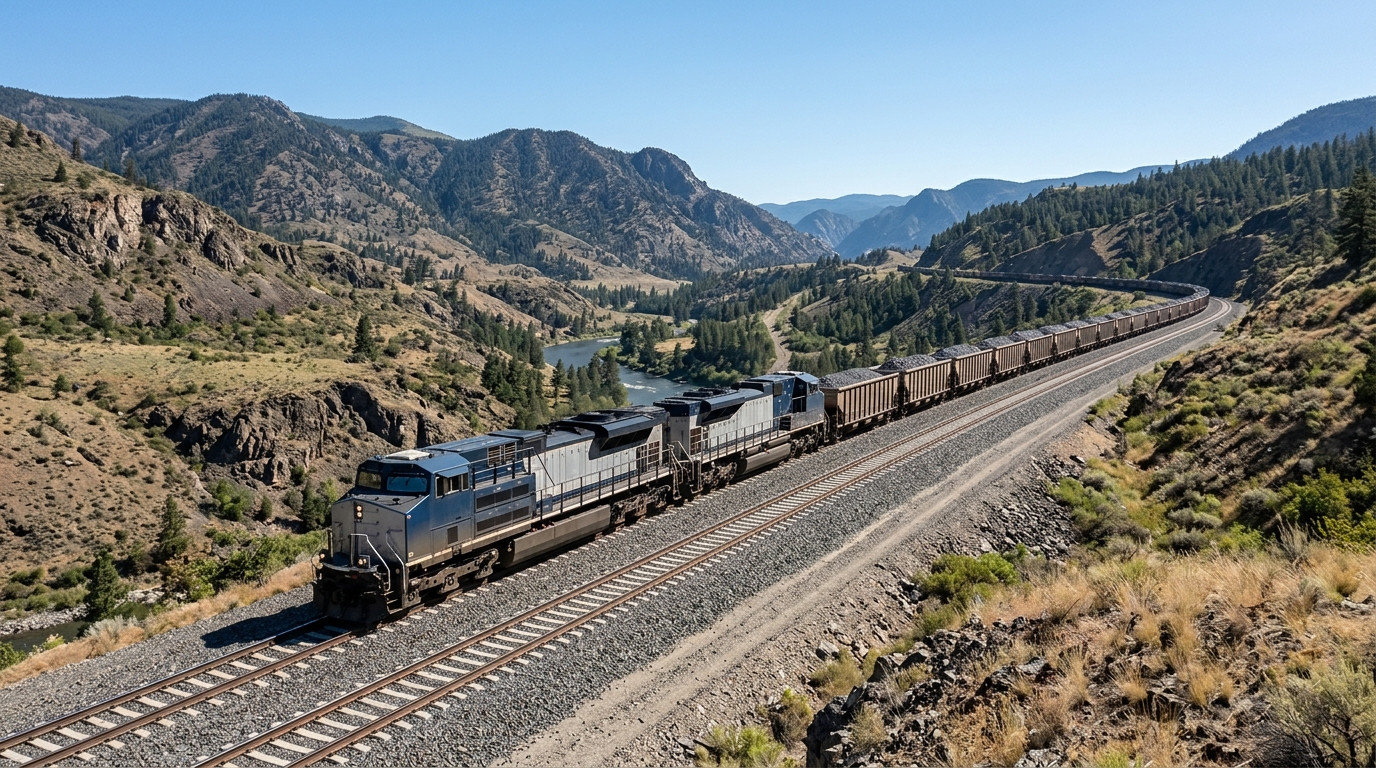
The government is moving ahead with a major upgrade of the Main Line-3 (ML-3) railway corridor to facilitate the transportation of minerals from the multibillion-dollar Reko Diq mining project. The 996-kilometre railway upgrade, covering the Rohri–Sibi–Quetta–Koh-e-Taftan route, is estimated to cost PKR 278.6 billion and is targeted for completion by 2033.
According to project documents, financing will be arranged through bridge funding provided by the Reko Diq Mining Company (RDMC), supplemented by allocations under the Public Sector Development Programme (PSDP). The federal government is required to repay the bridge financing through a lump-sum payment by June 2028, with the Ministry of Finance responsible for arranging the funds.
The project will be executed in two phases across four packages. Phase I includes the upgrade of the 243km Rohri–Sibi section and the 522km Spezand–Alam Reg segment, while Phase II covers the 14km Sibi–Quetta section and the 90km Alam Reg–Taftan stretch.
Project documents describe the ML-3 upgrade as the most sustainable solution for transporting minerals from the Reko Diq mine, in line with the government's agreement with Barrick Gold and RDMC. The upgraded railway is expected to improve operational safety, reduce derailments, shorten transit times, increase fuel efficiency, and expand freight capacity.
The project includes the complete renewal of 831km of railway track, reconstruction of the 457.5km Ahmedwal–Koh-e-Taftan section through new embankments and bridges, and the construction of 11 new railway stations between Spezand and Alam Reg. It also includes upgrades to communication systems and security infrastructure.
However, the Planning Commission has raised concerns over the project's financial viability. While acknowledging the operational benefits, it noted that the proposal lacks a comprehensive cost-benefit analysis, quantified freight and revenue projections, and a defined tariff or revenue-sharing framework with RDMC.
The Commission also highlighted that no funding has been allocated for post-completion operation and maintenance, raising concerns over the railway's long-term sustainability. Security expenses, estimated at PKR 46.38 billion, account for nearly 17% of the total project cost and could further affect financial viability.
Additionally, the Commission warned that the $390 million bridge financing, repayable by June 2028, could place significant fiscal pressure on the federal government. It also cautioned that the project's reliance on the Reko Diq mine as its primary freight customer creates concentration risk, while the 6.5% escalation provision may be insufficient given the seven-year implementation period and dependence on imported railway materials.