- July 7, 2026
- Posted by: Tresmark
- Categories: Currency
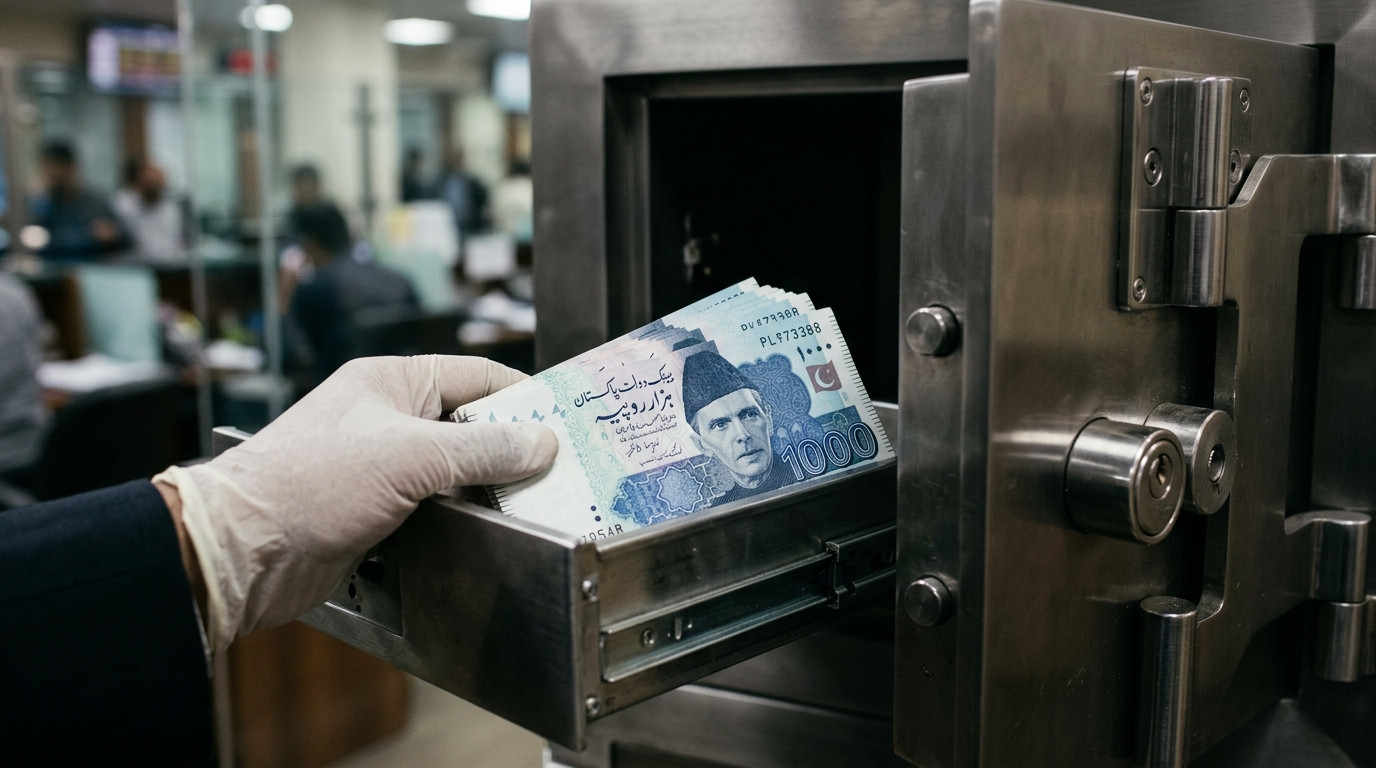
How FX swap rates help exporters manage USD PKR volatility, improve treasury planning, and strengthen foreign exchange risk management.
Executive Summary
For Pakistan’s export driven industries, movements in the USD/PKR exchange rate can have a direct impact on revenue, profitability, and cash flow. Exporters in sectors such as textiles, rice, leather, surgical instruments, and sports goods often receive payments in US Dollars while managing operational expenses in Pakistani Rupees. Even small fluctuations in the dollar rate in Pakistan can affect margins and financial planning.
While many businesses monitor the current foreign exchange rates daily, corporate treasury teams require deeper market insights to manage future currency obligations effectively. This is where FX swap rates become an important treasury tool.
This report explores how FX swap rates help Pakistani exporters reduce currency risk, improve liquidity planning, and make more informed treasury decisions.
Pakistan’s Export Market and Currency Exposure
Pakistan’s export sector operates in a dynamic foreign exchange environment where several economic factors influence the USD PKR exchange rate.
Key market drivers include:
- State Bank of Pakistan monetary policy
- Foreign exchange reserve levels
- Global interest rate movements
- International commodity and oil prices
- Export receipts and workers’ remittances
As these factors change, exporters face uncertainty regarding the value of future US Dollar receipts when converted into Pakistani Rupees.
How FX Swap Rates Help Exporters
Unlike the spot USD to PKR exchange rate, FX swap rates combine current market pricing with future funding costs, enabling treasury teams to better manage foreign currency exposure.
Better Revenue Forecasting
FX swap rates help exporters estimate the future PKR value of expected US Dollar receipts, improving budgeting and financial forecasting.
Reduced Currency Risk
Treasury teams can manage exposure to fluctuations in the dollar to PKR exchange rate by planning future currency conversions more effectively.
Improved Liquidity Management
Better visibility into future foreign currency inflows allows businesses to align export proceeds with working capital requirements and operational expenses.
Stronger Pricing Decisions
Reliable FX market data enables exporters to price contracts more confidently while protecting profit margins against exchange rate volatility.
Treasury Strategy Considerations
Corporate treasury teams should integrate FX swap rates into their foreign exchange strategy by:
- Monitoring real time USD/PKR exchange rates
- Comparing FX swap pricing across different maturities
- Forecasting foreign currency cash flows
- Evaluating future funding requirements
- Reviewing currency exposures on a regular basis
Using both spot rates and FX swap rates provides a more comprehensive view of currency markets than relying on the daily exchange rate alone.
Risks Exporters Should Continue to Monitor
Despite improving macroeconomic conditions, several risks could influence Pakistan’s foreign exchange market.
US Dollar Strength
A stronger US Dollar may place pressure on the Pakistani Rupee and affect export competitiveness.
Global Interest Rate Changes
Interest rate differentials influence FX swap pricing and foreign currency funding costs.
Commodity Price Volatility
Higher oil and commodity prices can increase Pakistan’s import bill and create pressure on the exchange rate.
External Economic Developments
Changes in global demand, trade conditions, and geopolitical events may affect export revenues and foreign exchange markets.
Key Themes for Corporate Treasury
Treasury professionals supporting export businesses should closely monitor:
- Current foreign exchange rates
- USD to PKR exchange rate movements
- FX swap rates across different tenors
- State Bank of Pakistan monetary policy
- Foreign exchange reserve levels
- Export payment schedules and liquidity requirements
Combining spot exchange rates with FX swap data enables more accurate treasury planning, stronger liquidity management, and improved foreign exchange risk mitigation.