- April 6, 2026
- Posted by: Tresmark
- Categories:
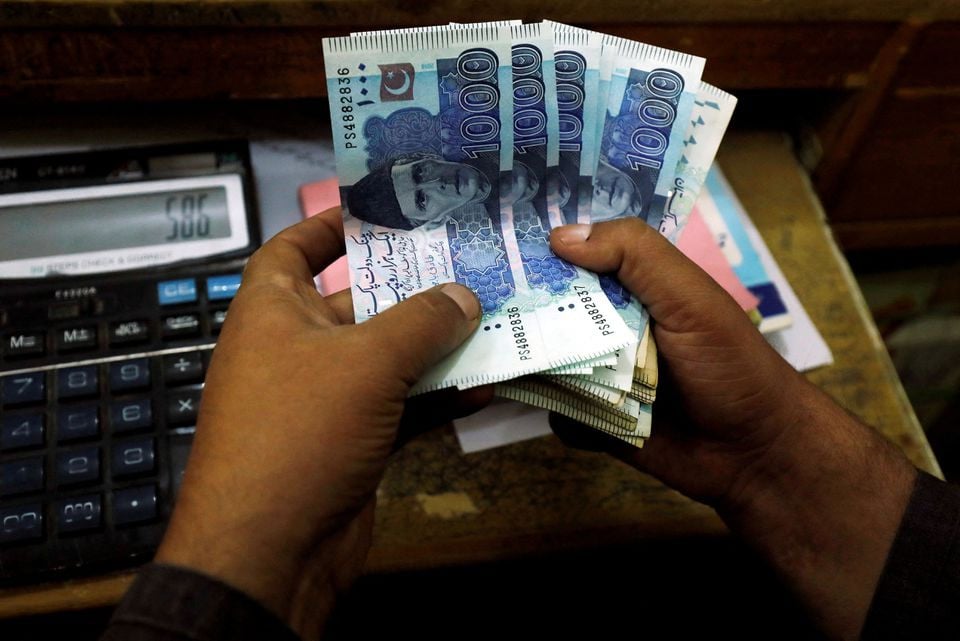
Tresmark: Over the last few months, a few corporates took what at the time felt like over-indulgence. Large IRS (Interest Rate Swap) transactions, including Jazz’s Rs 75bn swap and a Rs 20bn Engro-linked deal, were executed to move from floating to fixed. At that point, with rates softening, it looked slightly early, even overdone. Today, that decision is already paying dividends.
The recent move in cut-offs and the shift in rate expectations have started to validate the need for protection over optimisation. We are seeing a similar pattern across the market, where even smaller-ticket borrowers who chose to lock in are now better positioned than those who stayed exposed. This reinforces the importance of actively hedging exposure.
Emergency Monetary Policy Meeting
With the recent increase in petrol prices, discussion around an emergency monetary policy meeting has resurfaced. While rate expectations have clearly shifted higher, an immediate policy move may not be necessary. Secondary market yields have already adjusted by ~200bps, and both borrowers and lenders are now transacting at higher levels.
In that sense, the market has front-run policy, reducing the urgency for an out-of-cycle decision.
Inflation Trajectory
The March inflation print of 7.4% reflects a clear lag.
The softer number did help stabilise domestic bonds, Eurobonds and CDS spreads, but underlying pressures remain intact. At the same time, SCRA outflows have reached ~$412mn (as of 27th March), indicating that positioning is already adjusting.
Looking ahead, we expect inflation to move back into double digits in April, with a potential move towards ~13% by June, driven by energy prices and second-round effects.
This shifts the debate from whether rates will rise to by how much. If the objective is to retain positive real rates and stabilise SCRA flows, the market will increasingly start pricing in the possibility of more than 200bps adjustment.
Conversation with DMO Office
The discussions with the DMO (Debt Management Office under MoF) made it clear that we are now in a repricing risk environment, not a normal rate cycle. The government is moving towards longer-term, fixed-rate borrowing and reducing reliance on short-term funding to manage risk better. On the external side, the approach is becoming more diversified and flexible, with less dependence on any single market. The direction is clear. The focus is shifting from short-term cost to stability and protection of the balance sheet.
In short, this is no longer about cost. It is about control.
Policy Signals and FX Outlook
Two developments last week are worth discussing.
The first is the reported $3.5bn repayment to UAE, in addition to the $1.3bn Eurobond maturity. On the face of it, this is unsettling, as it could absorb a meaningful portion of SBP reserves (almost one third). It also comes at a time when reserves have been built piece by piece over the past few months.
However, the key question is whether this changes policy direction. In our view, it does not. With the IMF SLA of over $1bn in place and continued focus on managing the external account, this is a tough but manageable outflow and does not jeopardise a policy continuity.
The second development relates to reports around IMF conditions on interest rates and currency controls. While rate expectations have already adjusted, the interpretation around currency control appears overstated.
From a flow perspective, SBP has been buying surplus dollars from the interbank market, as inflows are exceeding outflows. This indicates that if SBP didn’t buy those dollars, Rupee would actually be stronger than what it is today. This suggests that the exchange rate is not being artificially held, but rather managed to maintain stability.
The more accurate reading is that adjustment is taking place through import compression, with tools including interest rates, LC margins and other fiscal and administrative controls, rather than through burning reserves or verbal intervention.
There is indeed talk about deregulating the forex market, but this is far more complex and time consuming than on paper.
FX Outlook
Taking these together, our view remains unchanged.
We expect the Rupee to move in a gradual and controlled manner, with a bias towards 282–284/$ by end-June, without any step devaluation.