- December 6, 2025
- Posted by: Tresmark
- Category:
When the bomb fell on Hiroshima at 8:15 a.m. on 6 August 1945, Dr. Hachiya was getting ready for an ordinary morning. As he tied his apron, a flash of white light hit him hard enough to lift him off the ground. There was no sound, or explosion, only a light flash.
When he opened his eyes, the city had vanished.
Hours later, a young girl walked into the courtyard. Her skin was peeling in strips. She held a burnt, half-melted doll. When Dr. Hachiya stepped toward her, she whispered, “Please don’t hurt my doll. She is scared.”
The doll was fused to her hand.
He wrote that this one sentence broke him more than the destruction. The blast erased a city, but the child showed him how thin and fragile a world can be.
Monumental changes arrive like this. Quiet at first, then everything shifts.
Right now, 3 movements in global markets carry that same feeling.
1. Japan: The storm building in silence
The entire world is borrowing yen at half a percent and earning four in dollars. It looks calm. It feels stable. But this is the most vulnerable structure in global liquidity today. The moment Japan hints at tightening, that calm will break. The pace at which carry trades will unwind will throw all cross assets in stress. Japanese Institutions have been selling US Tbills and this can only accelerate as carry trade and hedging costs deteriorate.
Add to this a Japan that is finally opening its doors to global capital, including the GCC, rebuilding its buyout market, and inviting investment into AI, defence and advanced manufacturing.
Japan is pivoting. And markets are not prepared for how quickly the yen can move once the Bank of Japan shifts its stance.
2. The Fed: A shift beneath the surface
The market has already priced the first 25 bps cut. The question is what happens after it.
Political pressure on the Fed is rising. The question is not whether Powell cuts 25 bps. The question is who will shape the Fed’s direction over the next 2 years. Monetary policy only works when the institution is seen as independent. Right now, that anchor is under strain.
Disinflation is progressing. Labour softening is clearer once you strip out noise. But markets are no longer just reacting to data. They are reacting to the possibility that the Fed may becoming an extension of White House rather than a monetary one.
It is subtle, but it is seismic.
3. Europe: The fault line
The new US National Security Strategy unsettled the foundation of the trans-Atlantic relationship. The strongest criticism was aimed not at Russia or China but at Europe itself. It described European governments as weakened and struggling to hold identity. This is written policy, not an offhand comment.
It also recasts the US as an intermediary between Europe and Russia rather than Europe’s anchor. For markets, this adds a long-lasting political risk premium at a moment when the ECB cannot afford it.Currency
Currency Outlook
Pakistan
The Rupee firmed another 10 paisa last week to close at 280.42/$. The IMF Board meets on 8 December, where Pakistan is widely expected to secure around $1.2bn under the EFF and RSF. Once approved, reserves should move past the $20.5bn mark, a level last seen during Covid, and that alone is keeping sentiment steady. Interbank liquidity is calm, nostros are comfortable and the market is now asking if Rupee can stretch toward 278/$. Trade flows do favour levels below 280/$, but our view is that SBP will step in to buy dollars and rebuild reserves rather than allow further appreciation, keeping the currency close to current levels.
October data also shows SBP’s net short swap position holding near 2bn, so the pressure on forward premiums is coming from exporters selling forward and a rise in FE loans, not from any change in SBP stance. However, we expect premiums to improve marginally once IMF dollars are received.
India
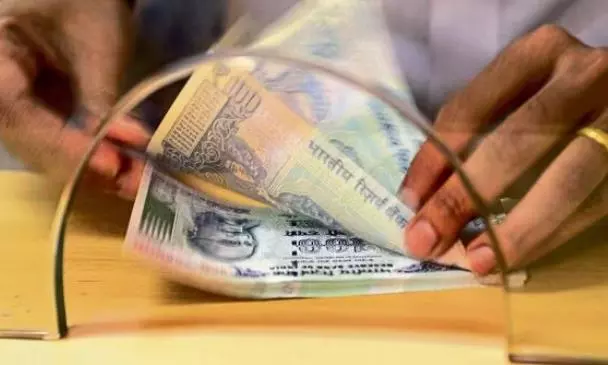
INR slipping past 90 was less about the number and more about the silence that followed. For the first time in years, the market sensed that the RBI was willing to let the rupee breathe on the downside. No dramatic defence, or heavy selling, but rather an uneasy acceptance of the new level. INR will not likely find any respite from the already factored in 25bps Fed rate cut. For INR to stabilise, it needs two structural shifts — an oil bear market that resets India’s terms of trade, and a US–India trade deal that finally unlocks the next leg of growth. Until then, INR will drift further in to the early 90s. It is a currency in waiting, not a currency in crisis.
Sterling
GBP rallies feel like echoes of an older world. They do not last. Each bounce runs into the same issues: political noise, fragile gilts, conflicting policy signals. Sterling is not broken, but it no longer has the cushion it once enjoyed. For now, strength invites selling more than commitment on the buy side.