
- January 24, 2026
- Posted by: Tresmark
- Categories:
In February 1987, a massive star exploded. When a star dies, the first thing released is not light, it’s neutrinos. They pass straight through planets, people, and matter as if nothing is there. Those neutrinos reached Earth first, quietly tripping detectors buried deep underground. Astronomers knew a supernova had occurred hours before they actually saw anything. The light was trapped inside the star’s outer layers, fighting its way out. By the time the explosion became visible in the night sky, the event itself had already passed.
The signal had arrived first. Most people just didn’t know how to read it.
Markets work the same way.
Gold, silver, and a handful of other commodities sitting near lifetime highs are not reacting to yesterday’s inflation print or next month’s rate decision. They are behaving like neutrinos, sending signals as confidence in monetary and geopolitical anchors quietly erodes. By the time the “light” shows up in the form of headlines, volatility, or forced policy responses, the adjustment will already be underway.
What feels sudden will, in hindsight, have been obvious.
Pakistan: Stability on the Surface, Pressure Below
Pakistan’s macro story still looks calm on the surface. Inflation is down, reserves are up, FX is stable, and the KSE100 is near 190k. But the underlying signal is less comfortable. The cost of doing business is estimated to be around 34% higher than regional peers, leaving exporters structurally uncompetitive. High energy tariffs, irrational taxation, and currency instability have kept exports largely stagnant since 2022. Stability has lifted asset prices, but growth on the ground remains constrained.
It’s the slow erosion that comes from mistaking market optimism for economic durability.
Rates: Market Is Pulling Forward the Next Cut
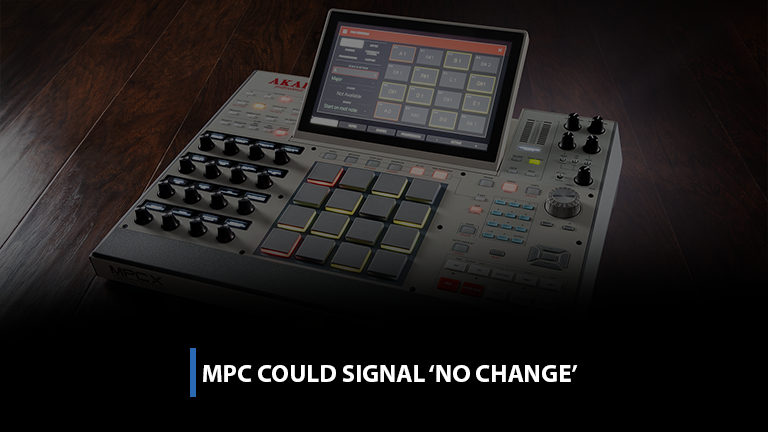
After the MPC’s surprise cut, the rates market has clearly run ahead of the policy narrative. Recent T-bill auctions saw 3M clear below 9% and 6M around 9.95%, signalling expectations of further easing sooner rather than later.
Tresmark research expects no change, based on three factors:
• The Fed is likely to pause at its upcoming meeting after three consecutive 25 bps cuts, reinforcing patience rather than acceleration.
• Geopolitical risk has risen after Trump said a US “armada” is heading toward Iran, lifting risk premia.
• Brent remains above $65, keeping external inflation risks alive.
The market is pricing momentum. Policy is likely to move more cautiously.
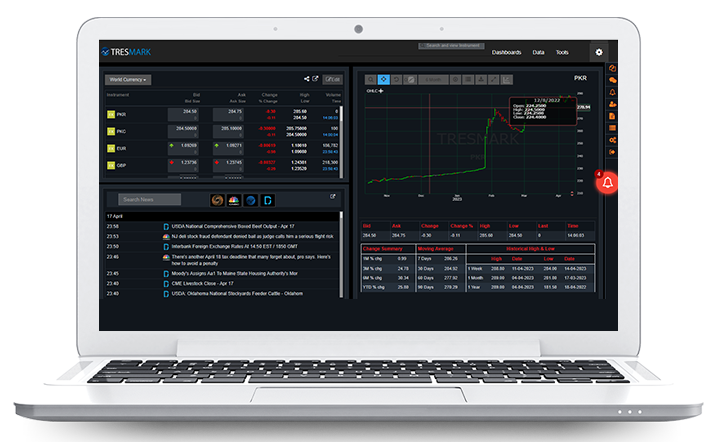
The Only Financial Information Platform You Need
Tresmark is the market leader, the only tool you need for a full picture od the financial markets
Currency Outlook
The rupee is now trading in uncomfortable territory below 280/$. Near-term sentiment remains supportive, with Ramadan approaching, remittance inflows expected to stay strong, and a recent surge in portfolio investment into T-bills. This should keep the currency firm over the next few months. That said, with export competitiveness already stretched, exporters should continue to sell flows forward rather than wait for further strength.
Metals: The Signal Is Getting Loud
Something quietly historic is unfolding. For the first time in decades, the market value of gold held by foreign central banks has overtaken their holdings of U.S. Treasuries, now near $4 trillion. Gold’s push toward the $5k zone is not about inflation prints, it reflects growing doubt in monetary and geopolitical anchors and a shift toward assets outside policy discretion.
Silver is even more telling. Prices have surged into triple digits above $100/oz, up more than 180% over the past year, nearly triple gold’s gains. The rally is being driven by a persistent structural deficit, rising demand from solar, EVs, and AI-linked infrastructure, tighter supply, and a short squeeze in a small, volatile market. Adjusted for inflation, silver’s 1980 peak sits near $200.
This is no longer hedging. Gold and silver are behaving like neutrinos, early signals leaking out of the system. When metals move like this, it’s about insurance and optionality in a world that’s becoming harder to trust.
Dollar: Drifting, Not Breaking
Dollar dominance is losing clarity, not collapsing. The USD is drifting rather than trending, with markets increasingly looking outside North America for policy signals. This week, Dollar index fell about 2.5%, while the euro and sterling moved above 1.18 and 1.36, respectively.
Yen – Intervention
USDJPY fell sharply from 159 to near 155, widely seen as suspected intervention. Japan may tolerate weakness, but not disorder. Asia is quietly reasserting itself as a policy signal-setter.
INR makes an all time low
The Indian rupee touched a record low this week at 92/$, its biggest one-day fall in two months, as a global bond rout and renewed foreign outflows weighed on sentiment.Fed: Watching the Signals, Not the Rate
With the Federal Reserve likely to hold, markets are focused less on the decision and more on language, posture, and political pressure. Direction will come from credibility, not just rates.
Politics Back in the Driving Seat
Geopolitical noise continues to bleed into markets. Trump’s potential Fed chair pick, tariff rhetoric, and broader trade frictions are shaping FX and risk sentiment.






9jxkmk
yindag