- September 29, 2026
- Posted by: Tresmark
- Category:
No Comments
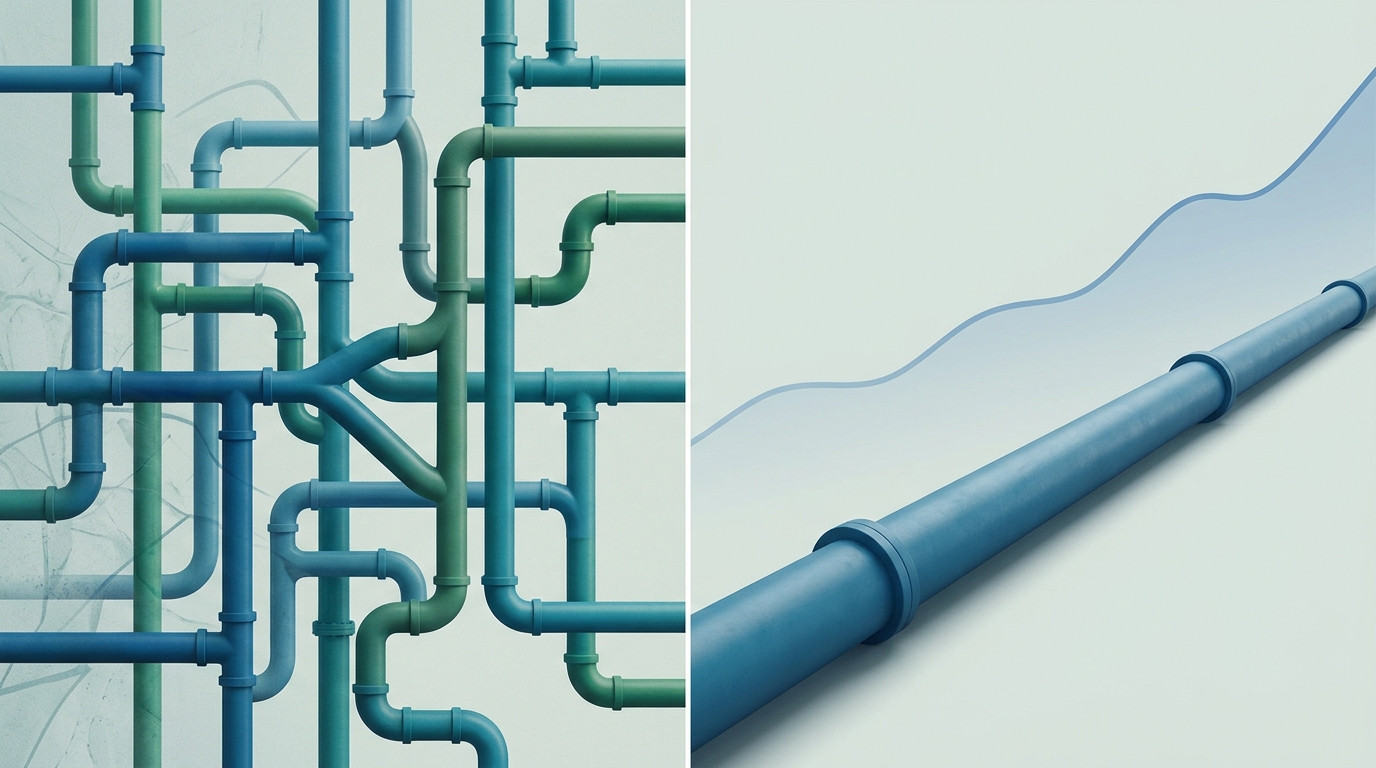
Pakistan plans to seek the International Monetary Fund’s approval to introduce a single gas tariff from July 1, 2027, replacing the existing cross-subsidy system with targeted financial assistance for low-income households.
The Petroleum Division is expected to discuss the proposal with the visiting IMF mission during the ongoing review of Pakistan’s programme. Under the plan, the current 12-slab tariff structure would be phased out and consumers would move towards a uniform average tariff of around Rs1,708 per MMBtu.
The government would allocate approximately Rs162 billion to support vulnerable households, with assistance linked to income rather than gas consumption. The subsidy could potentially be distributed through the Benazir Income Support Programme (BISP).
Currently, protected domestic consumers benefit from significantly lower gas rates, while industrial, commercial and other consumers pay higher tariffs that help finance the cross-subsidy. The proposed reform would largely dismantle this mechanism and separate gas pricing from social protection.
Protected households currently pay between Rs200 and Rs350 per MMBtu depending on their monthly consumption. Under the proposed system, their tariff could move closer to the average rate, with eligible low-income households receiving direct financial support.
The reform could reduce gas costs for several industrial and commercial users, whose existing tariffs are considerably higher. Commercial consumers currently pay around Rs3,900 per MMBtu, while cement manufacturers pay about Rs4,400 and general industry around Rs2,300.
The Petroleum Division has already initiated the process for the proposed subsidy mechanism, but approvals from relevant government forums and the IMF would be required before implementation.
The government says the new framework would make gas subsidies more targeted and transparent while reducing distortions in pricing. However, its effectiveness will depend on establishing a reliable income-based system before the existing consumption-based protection is withdrawn.