- September 15, 2026
- Posted by: Tresmark
- Category:
No Comments
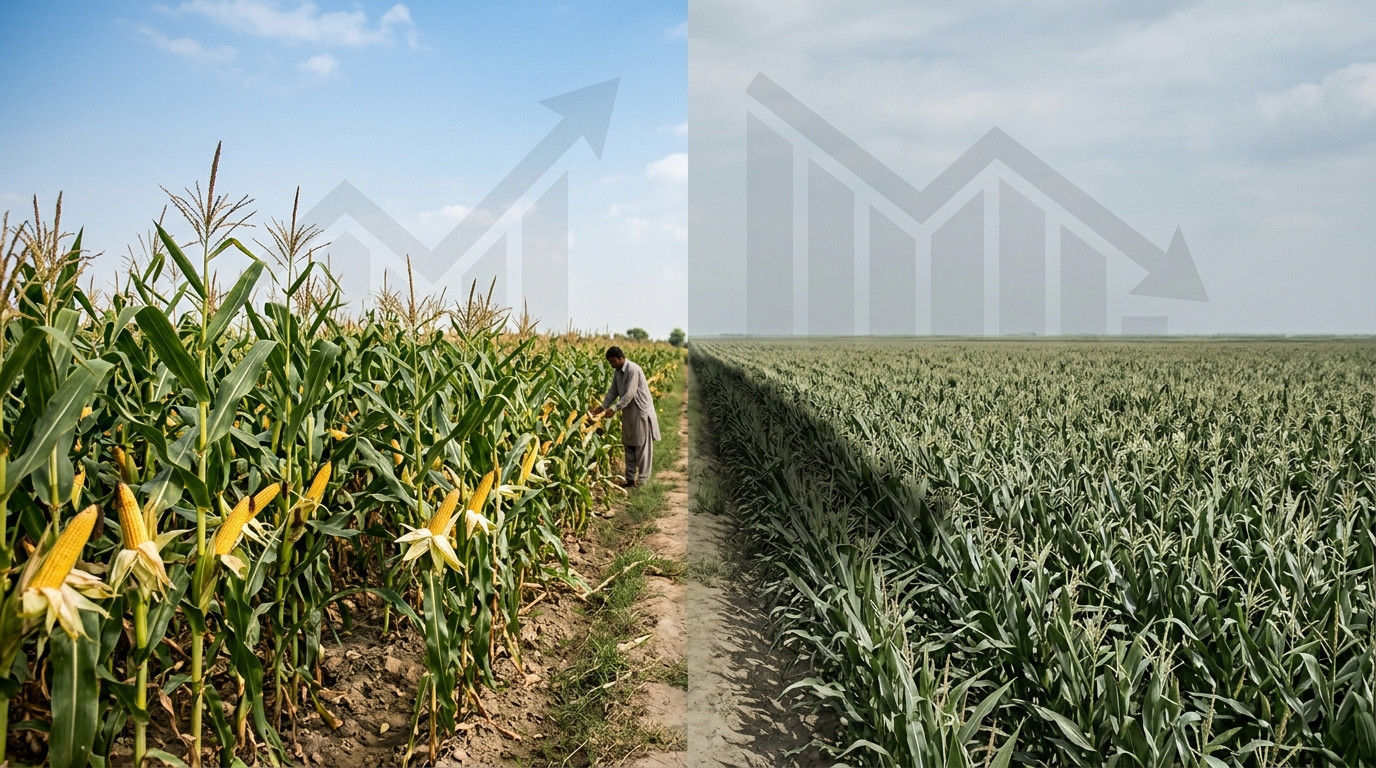
Pakistan’s proposed approval of commercial genetically modified (GMO) maize cultivation could threaten the country’s non-GMO maize production and agricultural exports, former federal secretary for National Food Security and Research Dr Muhammad Hashim Popalzai has warned.
Popalzai said introducing GMO maize alongside conventional crops could create challenges for Pakistan in international markets where buyers impose strict sanitary and phytosanitary standards and prefer non-GMO products. He specifically highlighted markets including the European Union, Australia, China and New Zealand.
His comments followed a federal committee’s decision in principle to recommend commercial cultivation of GMO maize alongside non-GMO varieties. Authorities are reportedly developing a framework aimed at protecting conventional maize from cross-pollination and contamination.
Popalzai questioned whether Pakistan currently has the regulatory, technical and certification infrastructure required to operate such a system effectively.
He noted that Pakistan is a signatory to the Cartagena Protocol and has Biosafety Rules, 2005, which were amended in 2024, along with relevant biosafety guidelines. He stressed that all required safeguards should be met before GMO seeds are commercially approved.
According to Popalzai, Pakistan had previously considered commercial GMO maize cultivation but ultimately decided against it following consultations with experts, farmers and relevant stakeholders. During his tenure as federal secretary, a proposed Variety Evaluation Committee meeting on GMO maize was postponed while the ministry assessed its potential benefits and risks.
He said the government at the time concluded that commercial GMO maize could create greater risks than benefits, particularly for agricultural exports.
Popalzai raised concerns over Pakistan’s ability to maintain separate GMO and non-GMO supply chains. Maize is highly cross-pollinated, meaning pollen from GMO crops could contaminate conventional fields. Such contamination could prevent maize from qualifying as non-GMO for certain export markets.
He also questioned whether Pakistan could reliably keep GMO and non-GMO seeds, farms, harvested crops, storage facilities and export consignments segregated.
Another concern is the cost of testing and certification. Farmers and exporters could face additional expenses to prove that maize shipments meet non-GMO requirements, potentially reducing Pakistan’s competitiveness.
Popalzai warned that failure to maintain effective segregation and certification could result in the loss of export markets to competing agricultural producers.
He argued that Pakistan should carefully assess its regulatory and technical capacity before moving ahead with commercial GMO maize cultivation, warning that a poorly managed transition could have long-term consequences for the country’s agriculture and export prospects.