- September 14, 2026
- Posted by: Tresmark
- Category:
No Comments
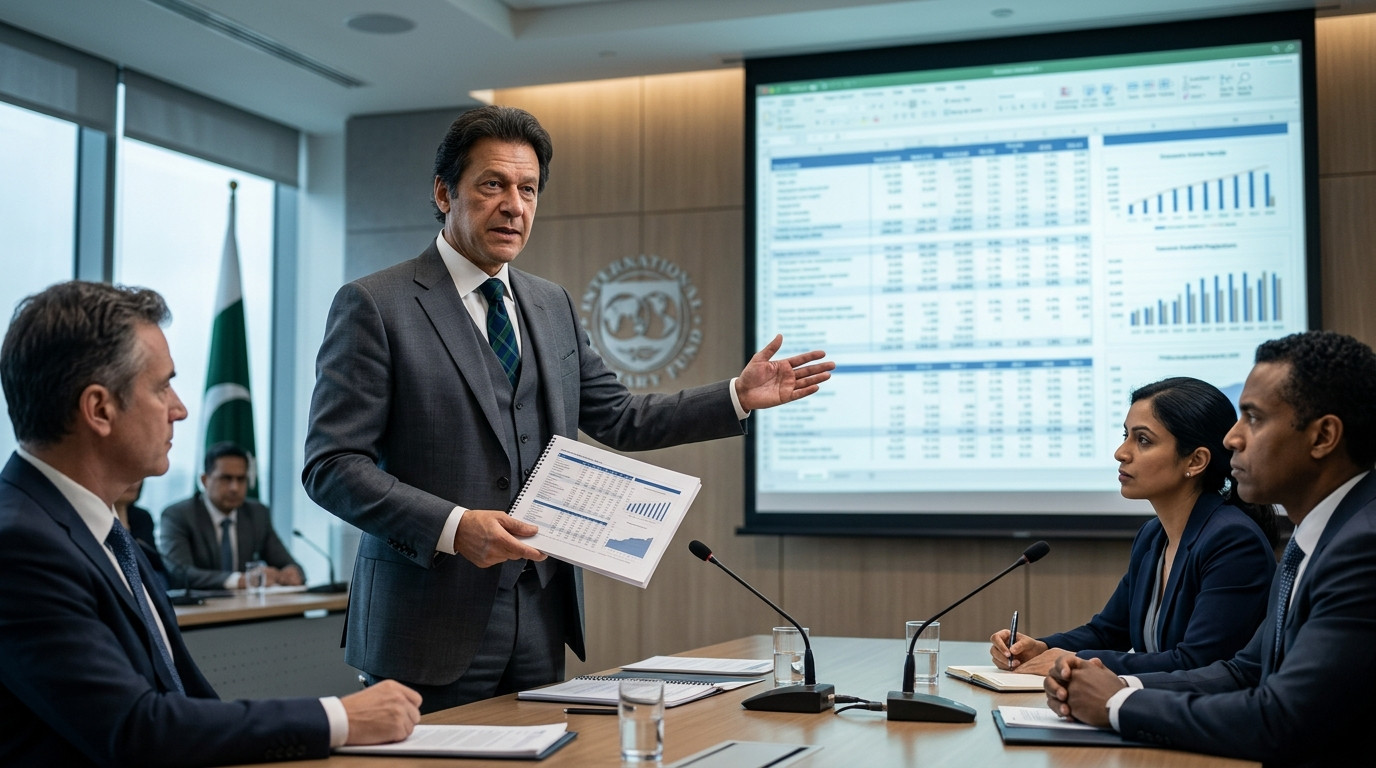
Pakistan is preparing to present the International Monetary Fund (IMF) with a three-year plan to eliminate the gas sector’s Rs3.6 trillion circular debt, as the government works to meet a key condition ahead of the IMF review scheduled for the last week of September.
The Finance Ministry is expected to brief the lender on the proposed settlement mechanism during the upcoming review, with the final framework to be agreed after consultations with the IMF.
The gas sector’s circular debt has reached around Rs3.6 trillion, comprising approximately Rs1.5 trillion in principal and Rs2.1 trillion in accumulated interest. The debt has built up due to tariff gaps, unpaid receivables and various policy-related costs.
A government committee report estimated the tariff differential at around Rs1.4 trillion, while receivables from the power sector stood at Rs123 billion. Sales and income tax receivables amounted to Rs211 billion, with litigation-related costs adding another Rs58 billion.
The debt burden has also increased due to expensive imported LNG. Gas utilities supplied costly LNG to domestic consumers, while disruptions to LNG deliveries under Pakistan’s Qatar arrangement forced the country to secure additional spot cargoes at significantly higher prices.
Under the proposed settlement plan, around Rs840 billion could be generated through dividends from gas companies, while another Rs270 billion may come from the petroleum levy.
The government is also considering reducing the debt by Rs310 billion through the deferral of additional LNG cargoes from Qatar, Rs15 billion through power-sector take-or-pay arrangements and Rs60 billion through full recovery of LNG costs.
The plan also includes measures to settle the interest component of the accumulated circular debt.
However, recovering the full cost of LNG could result in higher gas prices for consumers, potentially adding to inflationary pressures. The government is expected to discuss these implications with the IMF before finalising the debt settlement framework.