- August 24, 2026
- Posted by: Tresmark
- Category:
No Comments
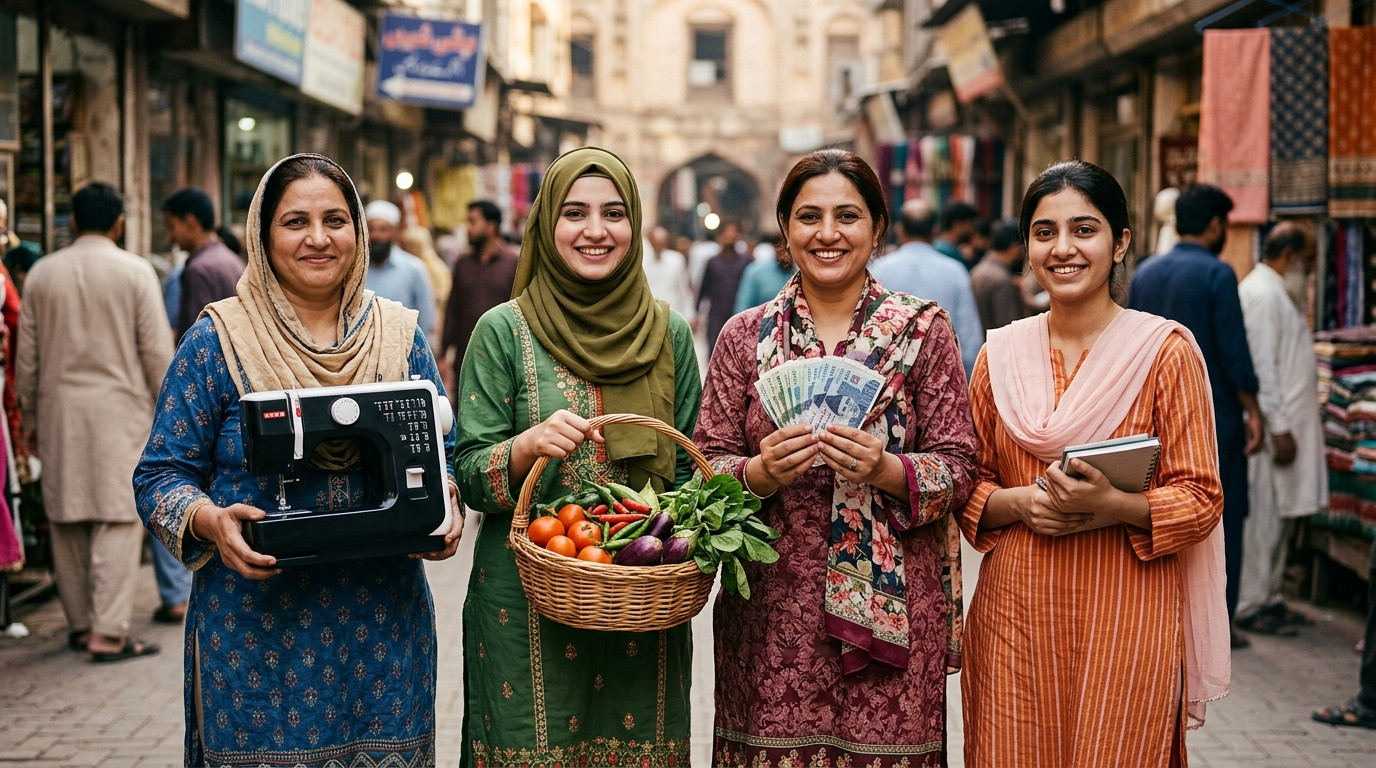
The International Finance Corporation (IFC), a member of the World Bank Group, has committed $10 million in four-year financing to ASA Microfinance Bank Pakistan to expand access to credit for women entrepreneurs and microbusinesses across the country.
The funding will enable ASA Microfinance Bank to increase lending to women-led businesses and strengthen its capacity to serve a larger number of microfinance customers. The longer-term financing is also expected to provide the bank with greater liquidity stability as it expands its operations.
The investment is backed by the International Development Association Private Sector Window (IDA PSW) Blended Finance Facility and is being provided through IFC’s MSME Finance Platform, which supports financial institutions in expanding credit to small businesses in emerging markets.
Addressing Pakistan’s Financing Gap
The investment comes as access to formal financial services remains limited in Pakistan. Only around 27% of adults have access to a bank account, while the country’s MSME financing gap is estimated at approximately $57.8 billion, equivalent to about 20% of GDP.
Women face an even wider financing gap. The share of women with access to formal financial accounts is more than 30 percentage points below that of men, while a significant proportion of small businesses remain credit constrained.
Alongside the financing, IFC will provide advisory support to improve ASA Microfinance Bank’s gender-disaggregated data systems. This is intended to help the bank better assess the financial needs of female borrowers and develop services tailored to women entrepreneurs.
ASA Microfinance Bank President and CEO Naazer Minhaj said the financing would allow the institution to reach more women across Pakistan and help them strengthen their existing businesses.
IFC Regional Industry Director for Financial Institutions Group Momina Aijazuddin said the investment aims to bring affordable credit to women entrepreneurs who have historically faced limited access to formal financing.
The investment forms part of a broader World Bank Group effort to strengthen Pakistan’s financial sector and narrow the gender gap in access to banking and credit, while supporting greater participation of women in the formal economy.