- August 24, 2026
- Posted by: Tresmark
- Category:
No Comments
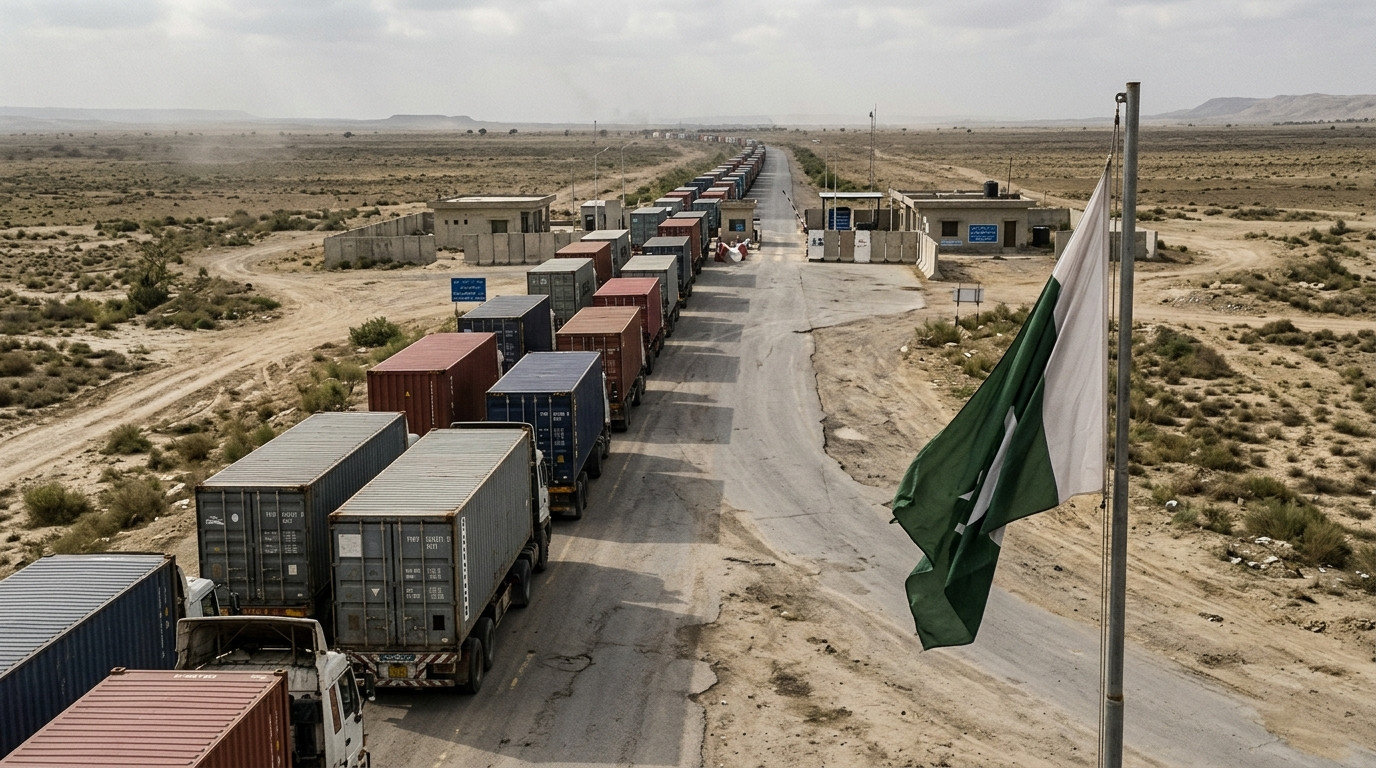
The prolonged closure of the Pakistan-Afghanistan border has created significant economic losses for Pakistani exporters, with a report by the Pakistan Institute of Development Economics (PIDE) estimating the impact at around $4.5 billion since the closure began in mid-October 2025.
The report, titled Policy Challenges for Pakistan-Afghanistan Relations, said bilateral trade fell by 28%, declining from $2.46 billion in 2024 to $1.77 billion in 2025.
According to the study, Pakistani exports have suffered an estimated average loss of around $177 million per month since the border restrictions began. However, the report noted that the methodology behind this estimate was not clearly disclosed, meaning the figure should be viewed as an indication of the potential scale of losses rather than a independently verified estimate.
Trade Disruptions Hit Perishable Goods
The closure has particularly affected shipments of fruits, vegetables and other perishable products. Extended delays can result in spoilage, reduced incomes for exporters and traders, and disruptions to supply chains in both countries.
Logistical costs have also increased sharply, with container rental, refrigerated truck fuel, demurrage and detention charges reportedly reaching $150–$200 per container per day.
The Pakistan-Afghanistan Joint Chamber of Commerce and Industry has separately estimated monthly losses of around PKR 50 billion during January and February 2026, when thousands of containers were reportedly stranded at major border crossings.
Torkham and Chaman Face Structural Bottlenecks
The Central Asia Regional Economic Cooperation (CAREC) Corridor Performance Measurement and Monitoring framework has also identified Torkham and Chaman as among the region’s most time-consuming border crossing points.
The report highlighted inadequate infrastructure, complicated anti-smuggling procedures and other structural bottlenecks that increase clearance costs even during normal operations. These challenges become more severe when security tensions lead to border closures.
The disruption extends beyond immediate trade losses. Repeated closures create uncertainty for producers and exporters, affect long-term trade relationships and can contribute to price volatility and supply-demand imbalances.
The PIDE report warned that continued disruption along the Pak-Afghan trade corridor could have wider consequences for Pakistan’s export sector, regional commerce and food security, particularly because of the corridor’s importance for time-sensitive agricultural goods.