- August 20, 2026
- Posted by: Tresmark
- Category:
No Comments
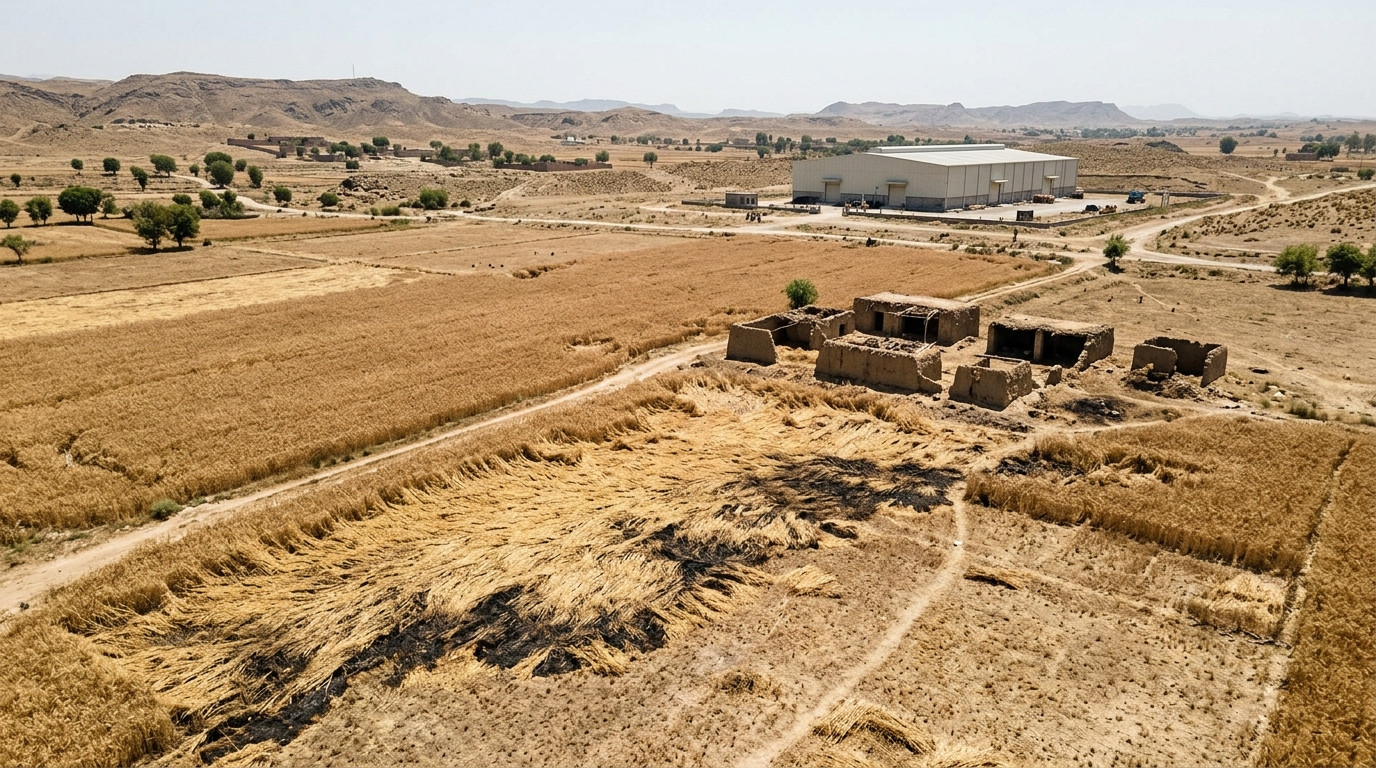
Pakistan’s agribusiness sector suffers around $2 billion in post-harvest losses every year, driven by climate shocks, weak infrastructure, inadequate cold-storage facilities, inefficient resource use and fragmented certification systems, according to the Asian Development Bank (ADB).
In its latest report, the ADB identified climate change, limited financing, market failures, technology gaps and institutional weaknesses as major obstacles to making Pakistan’s agribusiness sector more competitive and resilient.
Agriculture contributes around one-fifth of Pakistan’s GDP and employs more than one-third of the workforce, but private investment remains extremely low, accounting for less than 5% of agribusiness capital.
The report highlighted shortages in cold storage, logistics, roads, testing facilities and certification systems as key factors behind high post-harvest losses and export rejections. SMEs also face difficulties accessing finance due to high collateral requirements, limited credit histories and short loan tenors.
Pakistan’s agricultural research and development spending stands at only 0.2% of agricultural GDP, while adoption of climate-smart technology, mechanisation and digital agriculture remains relatively low.
To address these challenges, the ADB proposed a five-pillar strategy, including a national Agribusiness Investment Fund, climate-smart public-private partnerships, stronger policy coordination, greater support for women-led agribusinesses and increased investment in agri-tech, mechanisation and climate-resilient farming.
The ADB said effective implementation of these measures could help transform Pakistan’s agribusiness sector into a stronger source of exports, inclusive growth and climate resilience.