- August 10, 2026
- Posted by: Tresmark
- Category:
No Comments
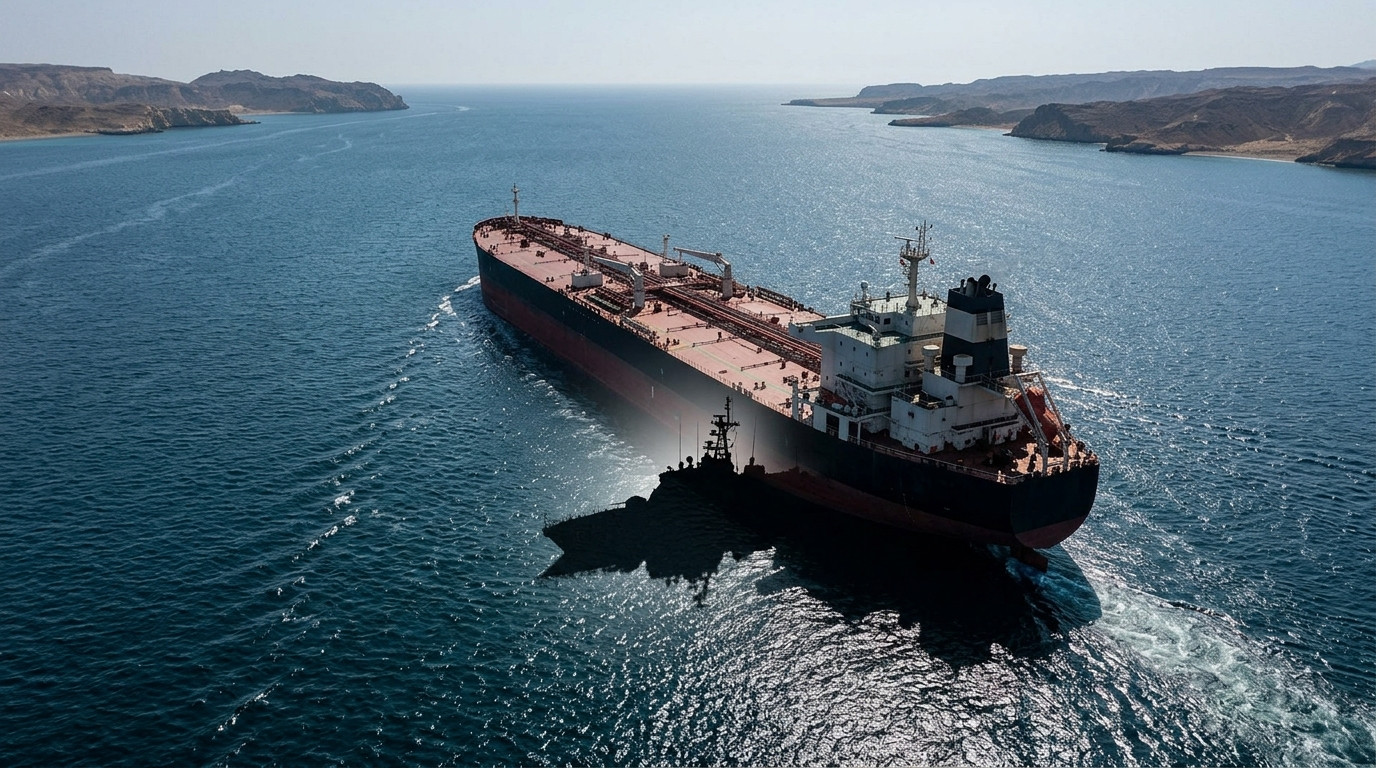
Iran’s Revolutionary Guards said Sunday that the country would keep the Strait of Hormuz closed until the United States meets a set of demands, including compensation for damage caused during the war.
Iran has effectively restricted passage through the strategically important waterway since US and Israeli attacks began in late February. Tehran has also indicated that it wants to impose transit fees and take action against vessels it believes are bypassing its preferred shipping routes.
The disruption has sharply reduced maritime traffic through Hormuz and contributed to the breakdown of an April ceasefire. Mediators have since called on both sides to return to the framework outlined in a June memorandum aimed at creating a path toward peace negotiations.
Iranian security chief Mohammad Bagher Zolghadr outlined several conditions for reopening the strait on Saturday. These include an end to what Tehran describes as military aggression against Iran and its allies in Lebanon, Palestine, Yemen and Iraq.
Iran is also seeking the removal of US restrictions on its ports, an end to sanctions, access to frozen Iranian assets and compensation for wartime losses, according to Tasnim news agency.
The Revolutionary Guards said Iran would maintain the closure until its conditions are accepted, describing the waterway as a “theatre of war” rather than simply a shipping route. Foreign Minister Abbas Araghchi separately said Iran was not directly negotiating with Washington but was communicating through intermediaries.
Tensions have continued to escalate in the region. The United Arab Emirates accused Iran of attacking a tanker owned by its national oil company while it was passing through the strait. The United Kingdom Maritime Trade Operations later reported that a vessel had been struck by a projectile near Oman, although it was unclear whether it was the same ship.
Oman condemned repeated attacks on vessels using the Strait of Hormuz and said discussions on future navigation arrangements were still progressing. Under the June Iran-US framework, Iran and Oman were expected to discuss the strait’s future management with other Gulf states in accordance with international law.
Meanwhile, Iran-aligned Houthi forces in Yemen have announced a parallel maritime blockade targeting Saudi ports in the Red Sea. The group also claimed responsibility for an attack on a Saudi oil facility, while Saudi authorities reported putting out a fire at the site.
The wider conflict is adding pressure on Saudi Arabia, which is seeking to maintain regional stability while pursuing its economic diversification plans. On Friday, Saudi Arabia signed a joint defence agreement with Turkey and Pakistan that includes a mutual-defence provision under which an attack on one member would be treated as an attack on all.
Turkey’s Foreign Minister Hakan Fidan said Egypt could also join the arrangement, describing Cairo as a natural partner. He said the agreement was not directed at any particular country, while Pakistan described it as a step toward strengthening collective deterrence.