- August 7, 2026
- Posted by: Tresmark
- Category:
No Comments
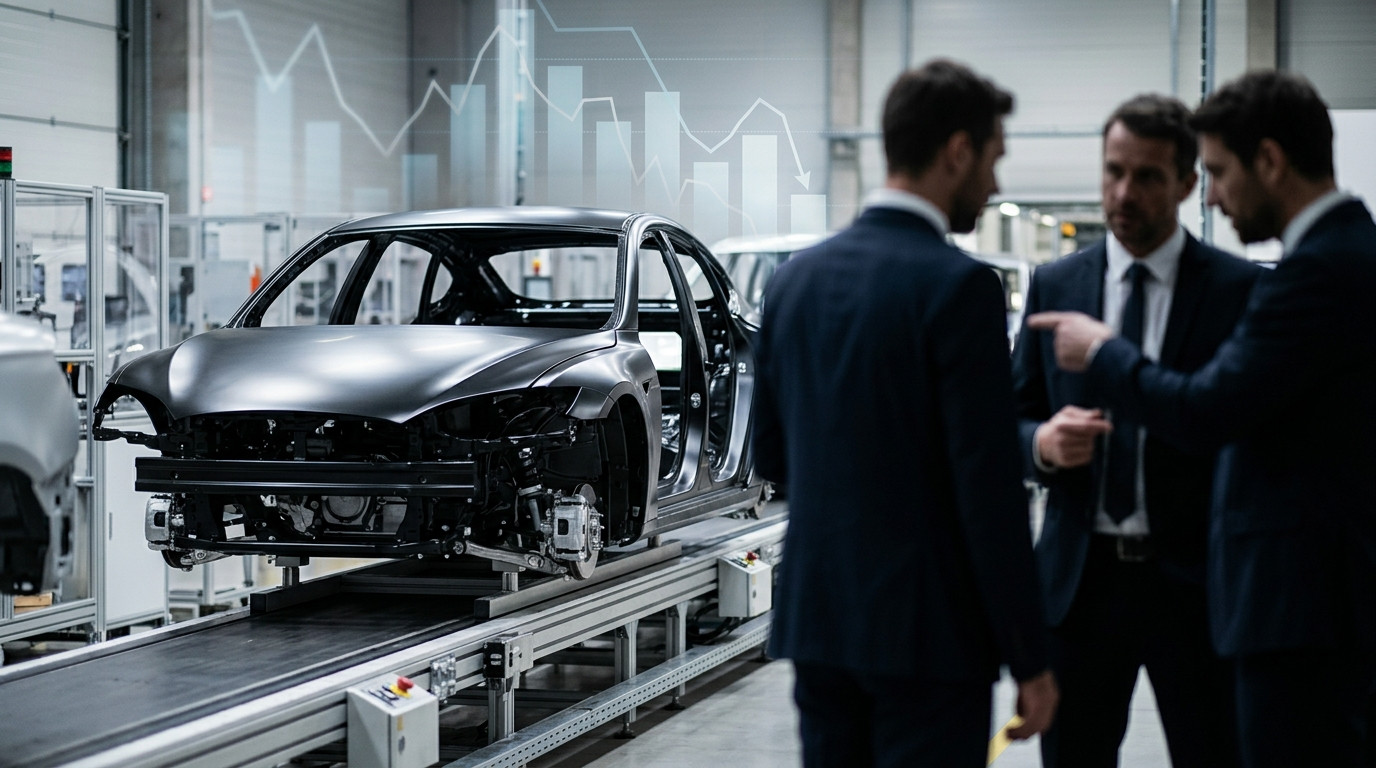
The committee led by Power Minister Sardar Awais Leghari has once again reviewed the proposed Auto Sector Development Policy 2026–31, as disagreements over tariffs and tax measures continue to delay its finalisation, with industry representatives warning of growing risks to domestic manufacturing.
During the meeting, participants discussed key challenges facing the sector, including the impact of lower import duties on completely built units (CBUs), delays in notifying sales tax reductions, and the absence of revised tariff rates for completely knocked down (CKD) kits.
According to sources, Leghari said the domestic auto industry is suffering due to the government's failure to finalise the new auto and auto parts policy. He noted that higher sales tax on hybrid and plug-in hybrid electric vehicles (PHEVs), coupled with lower import duties on CBUs, has placed local manufacturers at a competitive disadvantage.
The industry has urged the government to reduce duties on CKD parts and lower the sales tax on PHEVs while finalising the policy without further delay. It argues that following customs duty reductions on CBUs in the FY27 budget, import duties on CKD kits have become higher than those on fully built vehicles, creating a significant tariff anomaly.
Manufacturers warned that the uncertainty has already disrupted production, with some assembly lines reportedly halting operations and billions of rupees in investment at risk.
According to sources, government stakeholders have yet to reach a consensus on the proposed policy, with differences remaining over key tariff and tax measures.
The industry has also raised concerns over reported plans to reduce the sales tax on hybrid and plug-in hybrid vehicles priced above PKR 10 million, arguing that such relief would primarily benefit luxury vehicle buyers at a time when Pakistan remains under an IMF-supported fiscal adjustment programme.
Yousuf M. Farooq, Director Research at Chase Securities, said the proposed reversal of the Finance Bill 2026 measure—which raised sales tax on hybrid and plug-in hybrid vehicles to 25%—could raise questions about fiscal priorities, particularly given the IMF's emphasis on broadening the tax base and reducing preferential tax treatment.
While acknowledging that tax incentives could encourage cleaner transportation, he said the timing was likely to draw scrutiny as the expected beneficiaries are largely buyers of high-end vehicles.
The auto industry has warned that if the sector is not exempted from the proposed tariff reductions under the National Tariff Policy 2026–31, it could face plant closures, the shutdown of around 1,324 auto parts manufacturers, and the potential loss of more than USD 5 billion in industrial investment.