- August 6, 2026
- Posted by: Tresmark
- Category:
No Comments
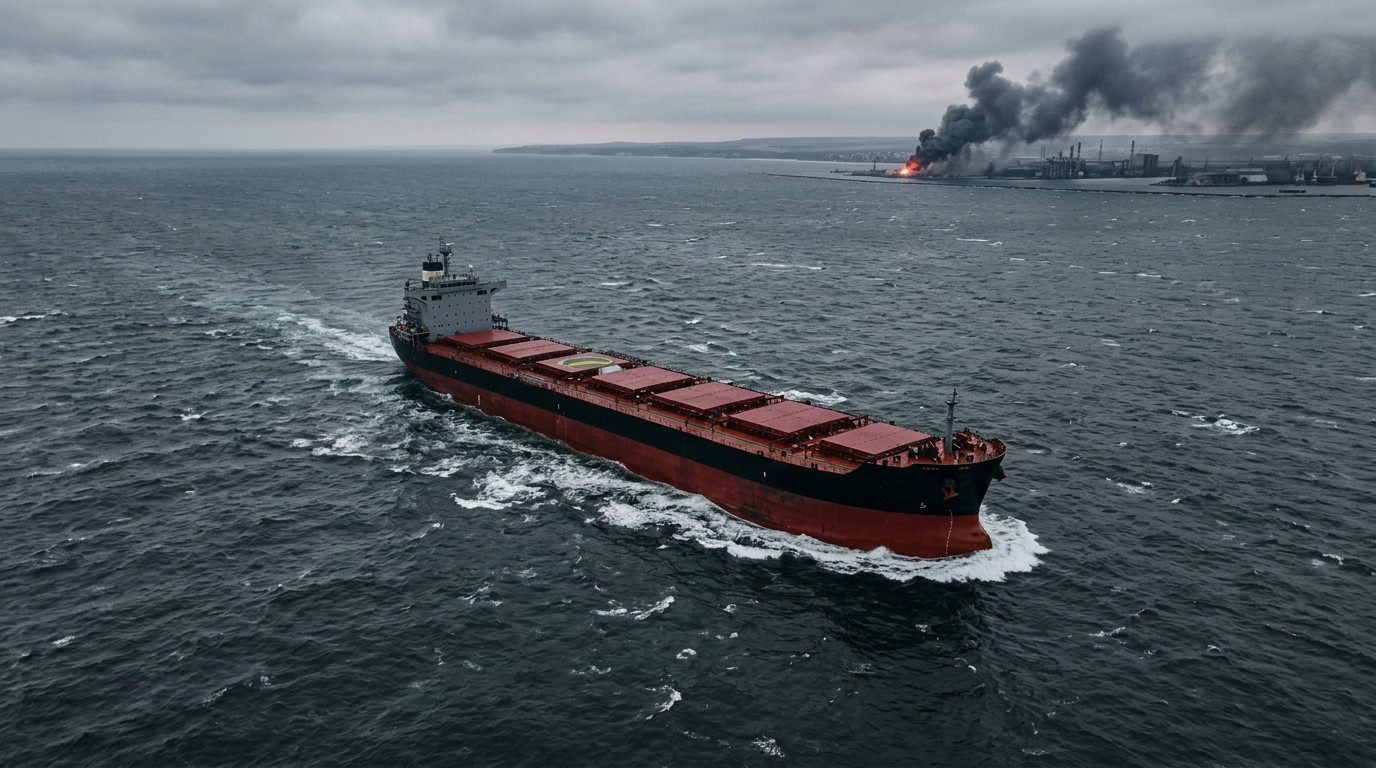
A recent escalation in attacks on ships, ports, and export terminals across the Black Sea has disrupted the movement of grain and oil, raising concerns over global commodity supplies and creating another major bottleneck for international trade.
The Black Sea, a key export corridor for wheat, crude oil, and refined fuels, has witnessed intensified hostilities between Russia and Ukraine. Both countries have increased strikes on port infrastructure and commercial vessels, while Ukraine has also targeted tankers linked to Russia's oil exports.
The disruption comes as global shipping routes are already under pressure from tensions in the Middle East, adding further uncertainty to agricultural and energy markets.
Ukraine reported a sharp rise in attacks on vessels and port facilities during July, prompting shipping companies to suspend or scale back Black Sea operations. Russia has also stepped up strikes on infrastructure around Ukraine's Odesa port, the country's primary gateway for agricultural exports.
The conflict has slowed grain shipments from major Russian ports and temporarily disrupted oil loading operations at key export terminals, including the Caspian Pipeline Consortium (CPC) facility. Kazakhstan's crude exports have also been affected due to interruptions at the CPC terminal.
Growing security risks have pushed shipping expenses higher, with tanker freight rates and war-risk insurance premiums rising significantly. Industry analysts warn that prolonged disruptions could tighten global grain and oil supplies while increasing transportation costs for exporters and importers alike.