- August 3, 2026
- Posted by: Tresmark
- Category:
No Comments
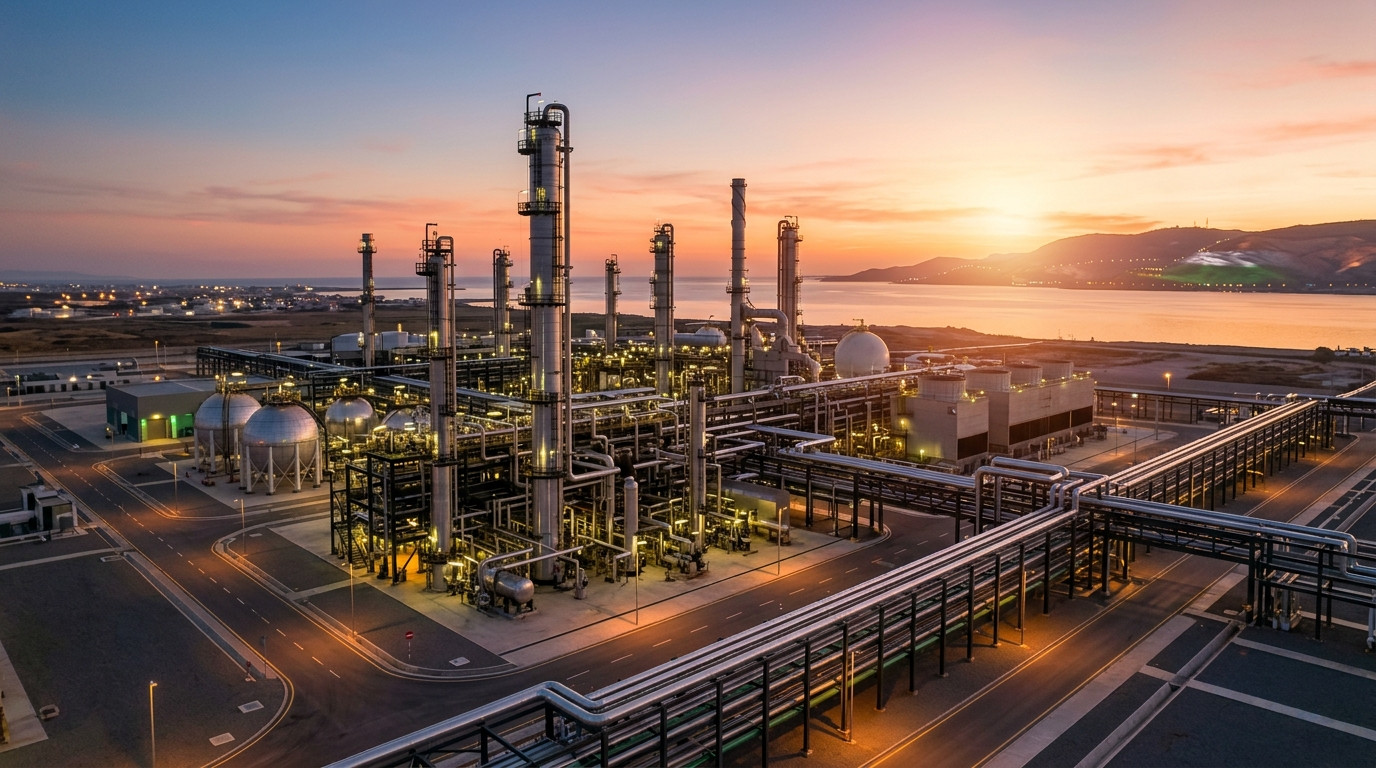
Pakistan has approved a long-awaited refinery upgrade policy aimed at modernising the country's refining sector through investments of $5–6 billion in existing facilities, replacing years of proposals to build new refineries.
The policy focuses on upgrading Pakistan's five existing refineries with deep conversion technology, enabling them to produce Euro 5-compliant fuels, reduce furnace oil production, and increase the output of higher-value petrol and diesel.
Under the framework, refiners will finance part of the investment through a 7.5% deemed duty on diesel, with proceeds collected in escrow accounts to fund roughly a quarter of the required equity. Industry estimates suggest the escrow mechanism could take around three years to accumulate sufficient funds before major capital spending begins.
The upgrades are expected to reduce furnace oil output from around one-third of every barrel of crude to nearly one-tenth while increasing the production of cleaner transport fuels. The initiative is also intended to improve fuel quality and reduce reliance on imported refined petroleum products.
The policy comes as Pakistan's refining industry continues to face pressure from an Rs85,000-per-tonne furnace oil levy, introduced under commitments linked to the IMF's Resilience and Sustainability Facility. The levy has significantly reduced domestic furnace oil demand while refiners continue to face weak export markets.
Financing remains a key challenge, with domestic banks expected to face constraints in funding projects of this scale. Access to foreign financing will depend on lenders' assessment of Pakistan's macroeconomic outlook and the commercial viability of the refinery upgrades.
Despite the expected increase in domestic petrol and diesel production, Pakistan will continue to rely on imported crude oil, limiting the policy's impact on overall energy import dependence.
The implementation process is still underway. Pakistan's largest refinery has yet to formally approve the policy, while other refiners are reviewing its commercial implications. Refining companies have been given 90 days to decide whether to participate, with those opting out facing a reduction in existing deemed duty incentives.
If implemented as planned, the refinery modernisation programme will represent the largest investment in Pakistan's downstream oil sector in decades and is expected to reshape the country's refining industry over the coming years.